Chinese tech stocks plunge: the STAR 50 index is down more than 40% from its July peak

🕒 Published on Zendoric: October 31, 2026 · 09:09
✨ AI-generated · how it's made
China's tech stocks are losing their shine as investors question whether the country's artificial intelligence boom can generate enough profit to justify lofty valuations.
📚 Go deeper
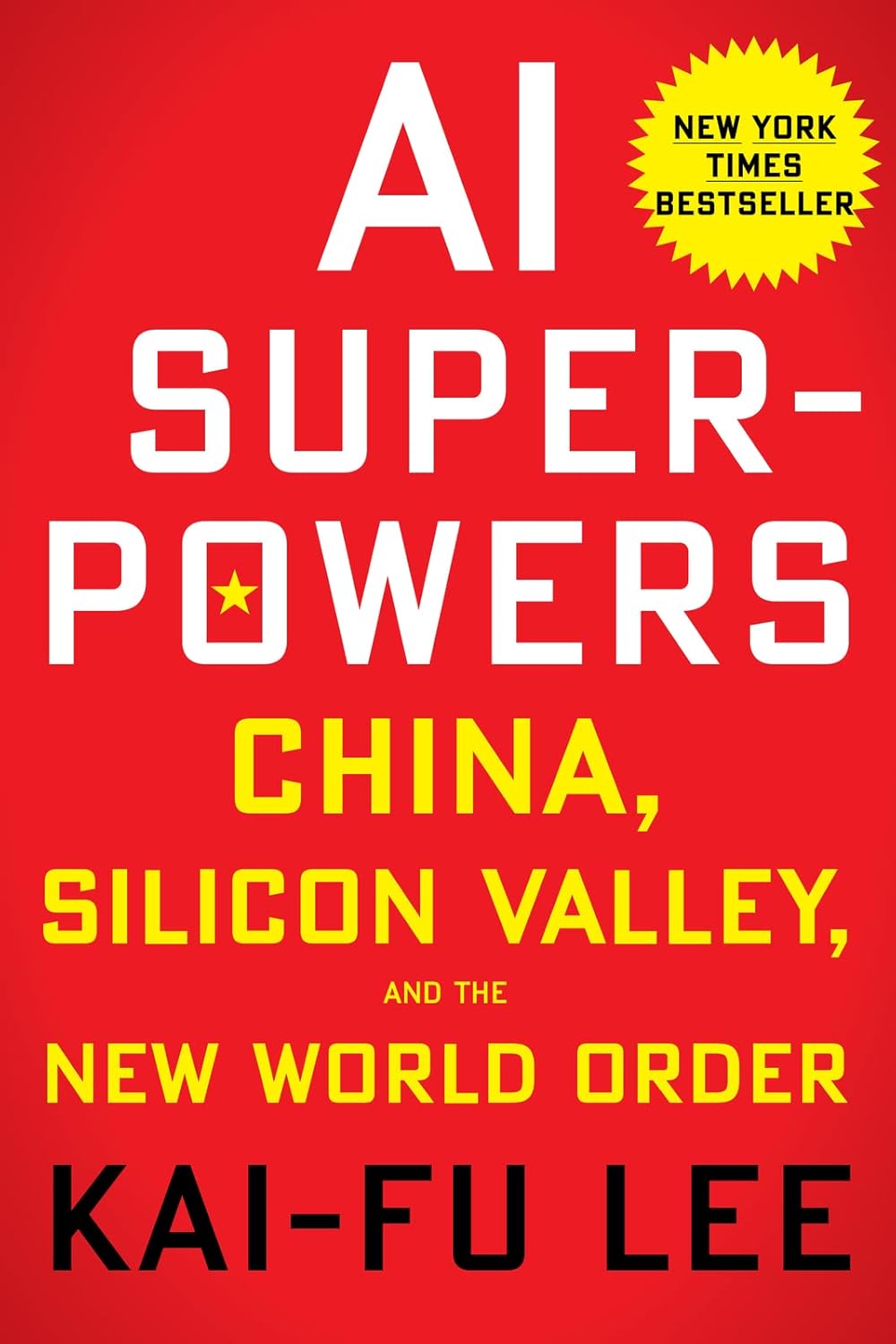
China vs.
As an Amazon Associate, Zendoric earns from qualifying purchases; the price does not change for you. · all our recommended books →
Chinese tech stocks are losing their shine as investors question whether the country's artificial intelligence boom can generate enough profit to justify lofty valuations. According to a CNBC report, the STAR 50 index has plunged more than 40% from its July peak amid concerns over the return on AI investments. The index tracks 50 of the largest and most liquid companies on Shanghai's tech-focused STAR Market, home to semiconductor, artificial intelligence and other high-tech firms.
The pressure has reached even CATL, the battery giant long regarded as one of China's great tech success stories. Its shares have fallen 37% so far this year.
What is behind the slump: according to Benjamin Cavender of China Market Research Group, the sell-off began mainly as a valuation correction and profit-taking after a strong rally. Now, however, there is closer scrutiny of whether corporate earnings can sustain the enthusiasm for AI. Cavender adds that technology remains a bright spot in the economy, but expectations and valuations had run ahead of fundamentals, so a correction was to be expected.
China's tech rally gathered pace after the emergence of DeepSeek in early 2025, which fueled optimism about domestic companies' ability to compete with their US counterparts in AI. That optimism has gradually faded as investors question how quickly heavy AI spending can translate into profits.
Tai Hui, chief Asia-Pacific market strategist at JPMorgan Asset Management, notes that investors want to see how China's big tech groups turn their AI spending into earnings. He also points out that several AI company IPOs drew strong initial demand, but the enthusiasm subsequently cooled.
The problem goes beyond technology. China's prolonged property crisis has damaged household confidence, and weak consumption continues to weigh on the advertising and e-commerce businesses of the major internet platforms. Vey-Sern Ling, senior equity adviser at Union Bancaire Privée, warns that rising AI investment could put further pressure on short-term earnings, while long-term monetization prospects remain uncertain. He adds that Chinese tech valuations have hit multi-year lows, which should limit the downside, although upside catalysts are still lacking.
The CATL case: the company posted revenue growth of roughly 59% in the third quarter, but its net profit rose only about 15%. Competition, shifts in product mix and changes to taxes and rebates are squeezing profitability despite its dominant global position. Cavender sums up CATL's problem as the gap between growth and profitability, and Ling warns that lower unit profitability could weigh on short-term results. The case illustrates a broader challenge for Chinese tech manufacturers: rapid expansion does not necessarily translate into stronger margins.
Will there be a rebound? Not all Chinese tech companies face the same pressures. Brendan Ahern, chief investment officer at KraneShares, says companies on Shanghai's STAR Board are benefiting from semiconductor spending by Chinese and US tech giants. Hong Kong-listed stocks, by contrast, are more exposed to weak domestic consumption because of their heavier weighting in consumer-facing internet platforms.
Hui argues that the property crisis remains a fundamental obstacle, with households preferring to keep their savings in cash rather than in stocks. Even so, he sees limited downside for broader Chinese indexes, given undemanding valuations and light positioning by international investors.
Jason Hsu, chairman and chief investment officer of Rayliant Global Advisors, believes the main driver of the decline in Chinese equities is the sell-off in the US market, and that the punishment of Chinese tech stocks has deepened alongside weakness in US stocks as skepticism grows about the return on AI spending. A recovery in US tech stocks could therefore support Chinese ones.
However, according to Cavender, cheaper valuations are not enough: a sustained rebound would require stabilized earnings, clearer returns on AI investment and stronger domestic demand. The article concludes that, for investors, China's tech sector is no longer measured by how fast companies grow, but by whether that growth can be turned into sustainable profits.
📚 Go deeper

Semiconductors as the oil of the 21st century: history, espionage, and why an island of 23 million people underpins the entire AI economy.

The story of NVIDIA and Jensen Huang: how a video-game card company ended up making the most coveted resource on the planet.
As an Amazon Associate, Zendoric earns from qualifying purchases; the price does not change for you. · all our recommended books →
🔗 Related on Zendoric
- The China–U.S. gap in AI narrows: why the real contest is no longer technical but about the business model · 2026-06-25
- Wall Street tests the AI promise: when two out of every three stocks rise and the index falls anyway · 2026-06-27
- Beijing weighs restricting foreign access to its most advanced AI models · 2026-07-09