Wall Street tests the AI promise: when two out of every three stocks rise and the index falls anyway

🕒 Published on Zendoric: June 27, 2026 · 09:00
✨ AI-generated · how it's made
The U.S. stock market closed mixed in a session that left a revealing paradox: most of the S&P 500's stocks rose, but the weight of the AI giants dragged the index down. The underlying question —do earnings justify these valuations?— is not going away anytime soon.
📚 Go deeper
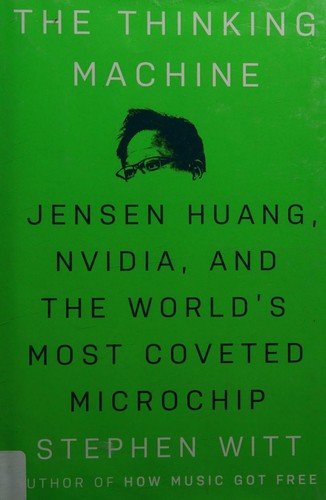
The story of NVIDIA and Jensen Huang: how a video-game card company ended up making the most coveted resource on the planet.
As an Amazon Associate, Zendoric earns from qualifying purchases; the price does not change for you. · all our recommended books →
Mixed sessions tend to be the most instructive, because they force you to look beneath the surface of the index. On Friday, nearly two out of every three S&P 500 stocks ended higher and yet the benchmark lost ground, stringing together its second negative week of the last thirteen. The explanation lies in concentration: in market-cap-weighted indexes, a stumble by a handful of AI-linked tech titans weighs more than the advance of the majority. When leadership narrows so much, the market becomes fragile to its own success.
The backdrop is a structural question, not a passing scare: are profits keeping pace with the capital invested in AI infrastructure, especially in data centers? David Stubbs, chief strategist at AlphaCore Wealth Advisory, put it cautiously: it is early, he said, to speak of a major correction in the tech sector, but doubts about profitability and about capital spending 'certainly are not going to disappear.' And he warned of the market's vulnerability to any sign that companies fail to meet the lofty expectations placed on them.
The Micron Technology episode illustrates the tension with almost didactic precision. The company, whose share price had quadrupled over the year on the back of demand for high-performance memory, fell 6.7% after Apple announced price increases on laptops and other products attributed to the rising cost of memory chips. It is the flip side of the boom: the very cost of components that drives suppliers' revenue ends up, at some point, curbing demand once it is passed on to the final price. The AI cycle has its own physics, and gravity exists.
Volatility was also seen in the more singular names. SpaceX—which groups under a single stock-market umbrella the aerospace business and xAI, the creator of the Grok model—swung from a 2.9% drop to a 3.5% rise to close with a marginal 0.2% gain, following a recent debut riddled with swings. Valuing a company that mixes rockets, satellites and large language models is, in itself, an exercise the market has yet to resolve.
The widest ripple came from a possible postponement. According to an article in The New York Times, OpenAI is said to be considering delaying its IPO, which hit SoftBank hard—it plunged 12.5% and dragged the Nikkei down 4.2%—and spread through the semiconductor chain: SK Hynix fell 8.4% and Samsung 5.3%, with the Kospi dropping 5.8% despite holding onto a 99.6% gain for the year. That the IPO of the benchmark name in foundation models is read as a thermometer of the sector's maturity says a great deal about the moment; that its possible delay moves three markets at once does too.
It is best not to read these jolts as the end of anything, but as what they probably are: the transition from a market driven by narrative to one that is beginning to demand numbers. It is a healthy stage. AI technology continues on its course regardless of the stock market's mood on any given session, but the discipline the market is demanding—verifiable returns on colossal investments—will eventually separate the solid bets from the merely enthusiastic ones. And that sifting, in the long run, benefits those who build on solid ground.
📚 Go deeper
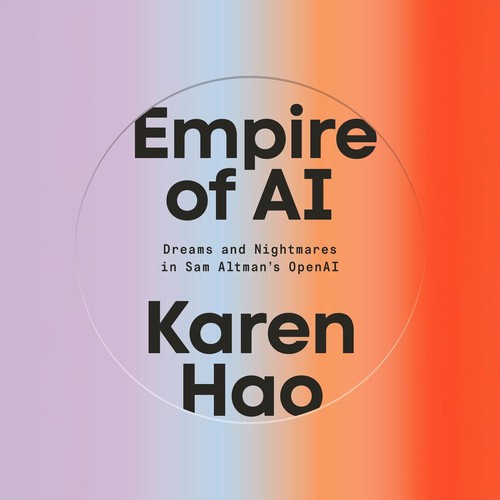
The definitive piece of investigative journalism on OpenAI: 260+ interviews, the clash between safety and speed, and the attempted firing of Sam Altma
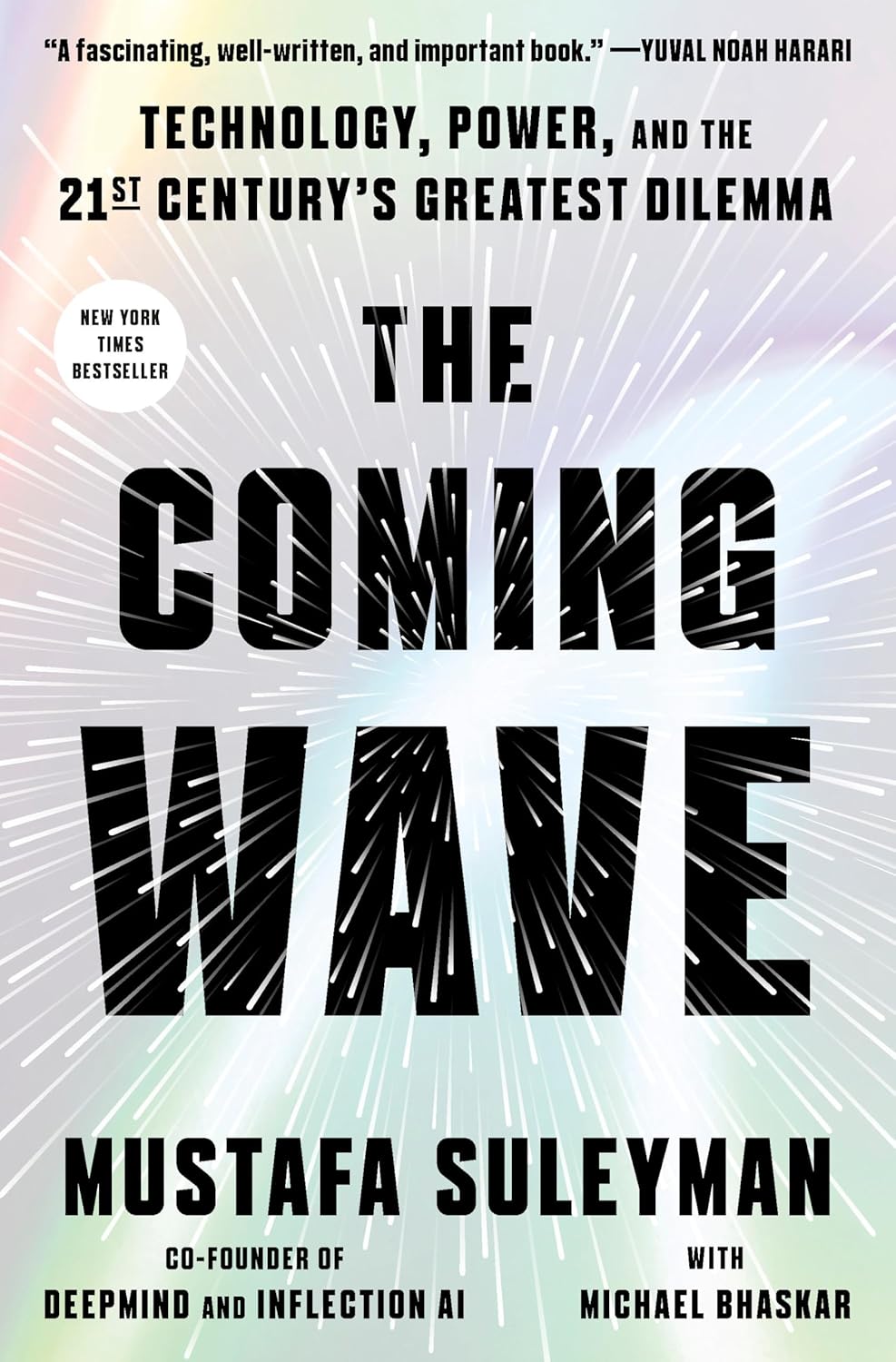
DeepMind co-founder on the dilemma of containing technologies that do not want to be contained.
As an Amazon Associate, Zendoric earns from qualifying purchases; the price does not change for you. · all our recommended books →
🔗 Related on Zendoric
- Moderna bets on mRNA 2.0: cancer, autoimmunity, and an AI that designs drugs without humans between cycles · 2026-07-08
- Another Chinese model, the same question: how much capex does it take to stay the leader? · 2026-07-18
- OpenAI and Anthropic have already filed the draft of their IPO near $1 trillion, after SpaceX's record · 2026-07-20