Another Chinese model, the same question: how much capex does it take to stay the leader?

🕒 Published on Zendoric: July 18, 2026 · 01:58
✨ AI-generated · how it's made
A market analyst on CNBC sums up Wall Street's nervousness in one sentence: each new Chinese model that approaches the frontier revives the doubt over whether OpenAI and Anthropic need to spend even more to keep their lead. The source material is a television clip, brief but revealing of the investor mood.
📚 Go deeper
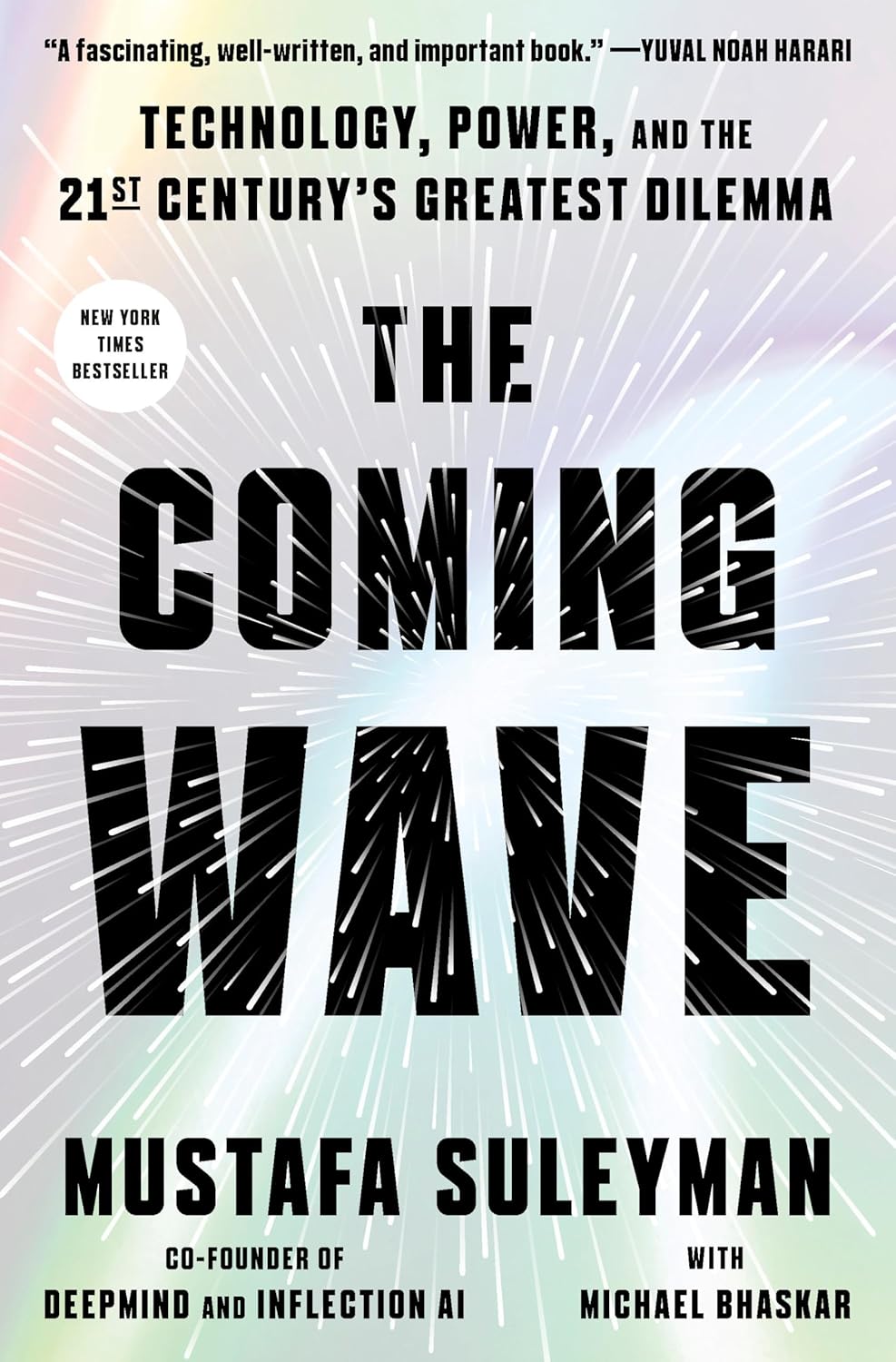
DeepMind co-founder on the dilemma of containing technologies that do not want to be contained.
As an Amazon Associate, Zendoric earns from qualifying purchases; the price does not change for you. · all our recommended books →
By CNBC · July 17, 2026. The trigger for this piece is modest: a segment of "Closing Bell Overtime" in which Ben Bajarin, CEO of the consultancy Creative Strategies, comments live on how a new Chinese AI model has once again moved the market. The clip doesn't specify which model it is or offer performance figures, so we won't invent them: what is clear, and interesting, is the frame through which Wall Street is reading these launches.
Bajarin's idea, as CNBC summarizes it, is simple: every time a competitive Chinese model appears, the market doesn't conclude that OpenAI and Anthropic are going to lose the race, but rather that both need to invest more, not less, to maintain the gap. It's a reading that fits well with what we've been documenting for months: the Chinese open frontier —GLM, Qwen, DeepSeek, Kimi— has been closing in on hard benchmarks at a pace that surprises even those who follow the sector closely, and each announcement triggers the same reaction in capital markets: if the bar rises, the bets on spending in compute, energy and talent have to rise with it.
Here it's worth separating two planes that tend to get mixed up in headlines like this one. One is the technical: whether a Chinese model matches Western frontier models on demanding tasks (reasoning, code, safety) is something settled only by rigorous evaluation, not by launch marketing or the day's stock-market reaction. The other is the financial: regardless of how much the technical gap has really narrowed, the mere perception of competition already acts as a market-discipline mechanism that pushes Anthropic, OpenAI and their rivals to commit more capital to infrastructure. That second effect is real and measurable even if the first is, as often happens, more modest than the announcement suggests.
Our reading is that this dynamic —Chinese announcement, jolt to the narrative, pressure to invest more— has become an almost mechanical pattern of the current AI cycle, and it will probably remain so as long as capex is the variable that separates the leader from the pursuer. In the short term this is good for whoever sells infrastructure (chips, data centers, energy) and demanding for the balance sheets of the labs, which must justify ever-larger funding rounds with no guarantee that the spending translates linearly into competitive advantage. In the long term, however, this cross-investment race between the U.S. and China is precisely the kind of competition that accelerates the maturation of the technology for everyone: the more the labs fight over the frontier, the faster the cost falls and the available capacity rises, something consistent with the horizon of abundance we defend as our underlying thesis. The risk, as almost always with these financial-television headlines, is confusing the noise of a trading day with a structural signal: before accepting the conclusion that "China now matches the West," it's best to wait for the benchmarks, not the three-minute clip.
📚 Go deeper
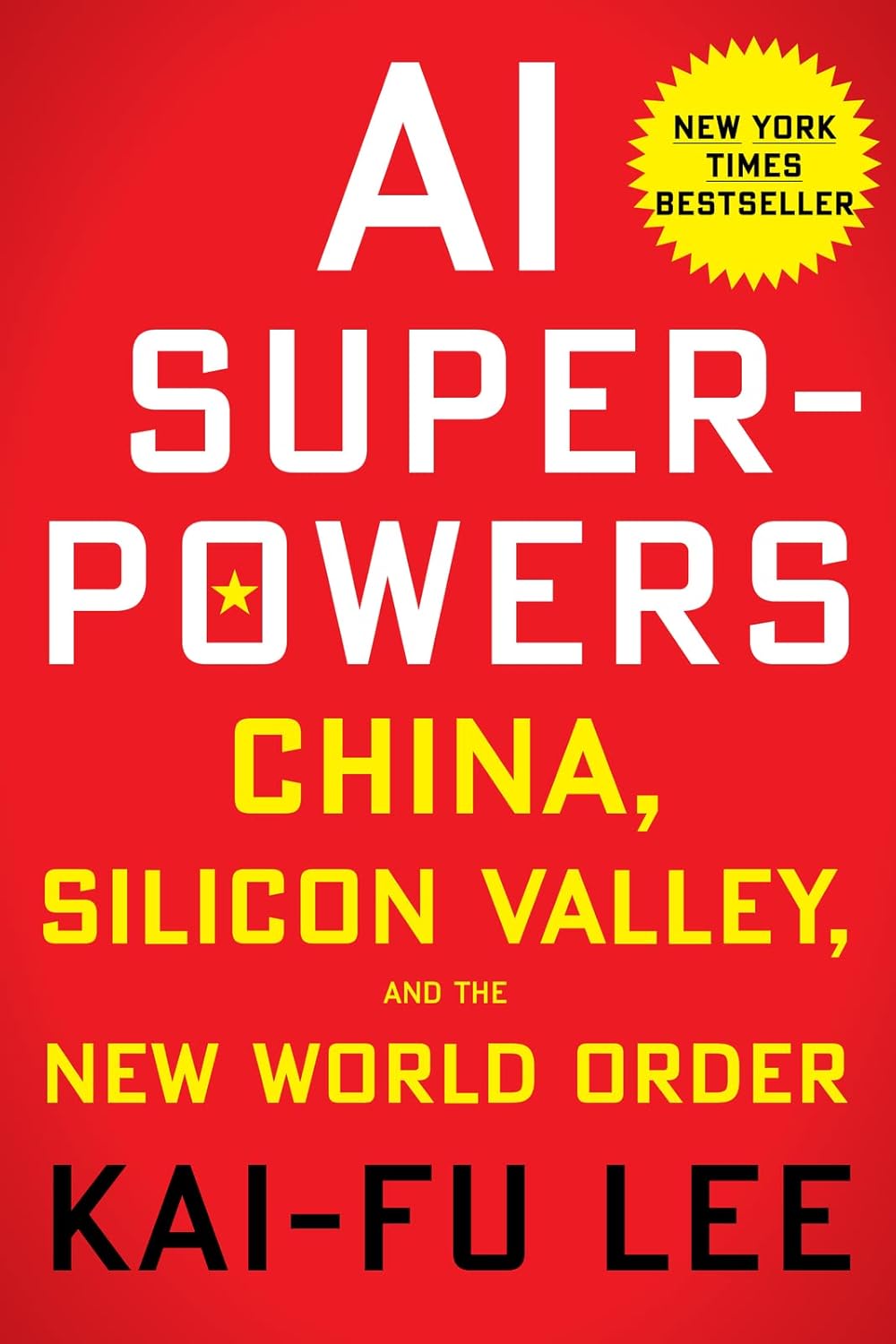
China vs.
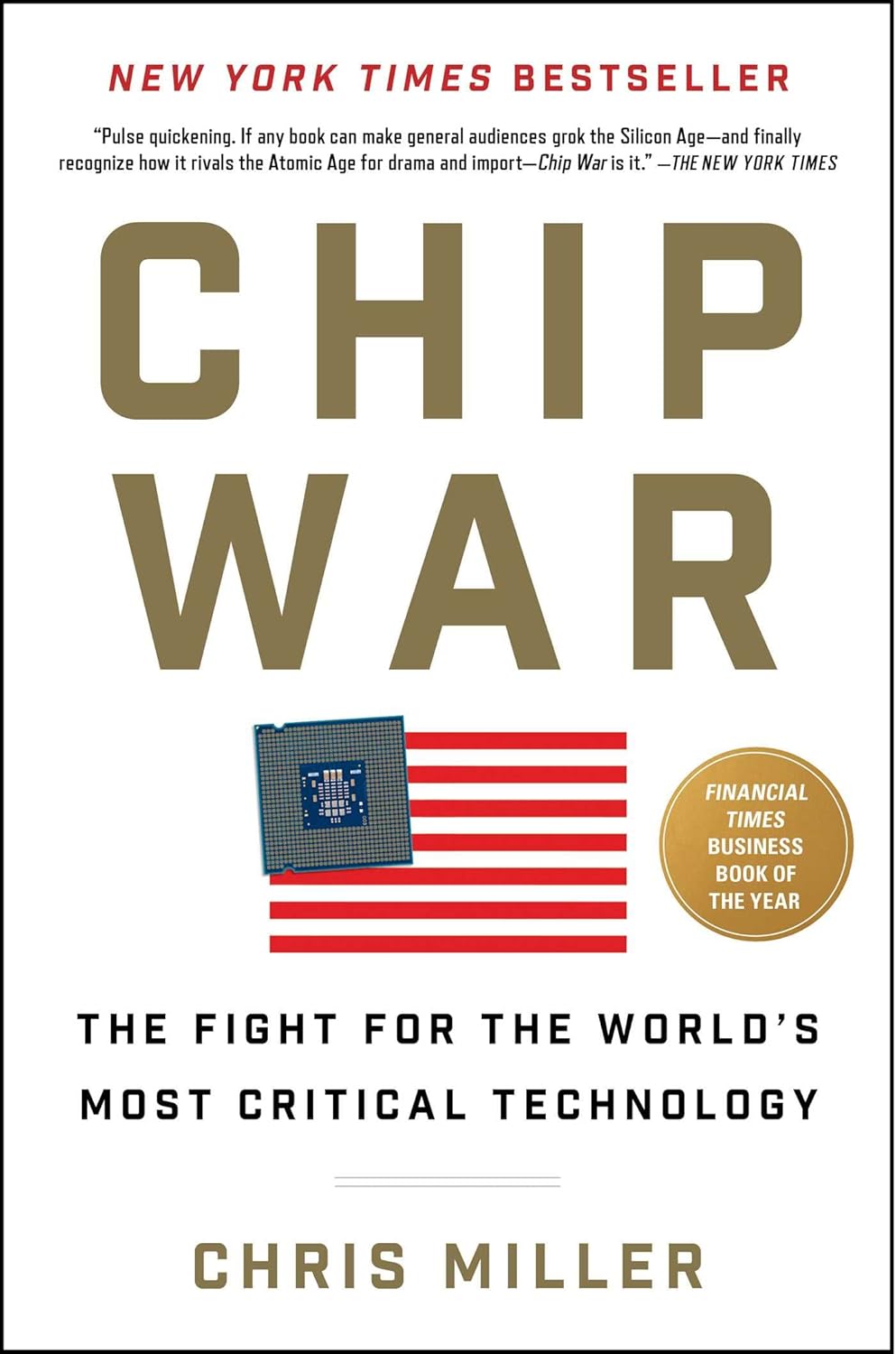
Semiconductors as the oil of the 21st century: history, espionage, and why an island of 23 million people underpins the entire AI economy.
As an Amazon Associate, Zendoric earns from qualifying purchases; the price does not change for you. · all our recommended books →
🔗 Related on Zendoric