Moderna bets on mRNA 2.0: cancer, autoimmunity, and an AI that designs drugs without humans between cycles
🕒 Published on Zendoric: July 8, 2026 · 09:15
✨ AI-generated · how it's made
At its Science Day, Moderna unveiled two unprecedented programs—an in vivo CAR-T for lupus and a multiplexed therapeutic against ovarian cancer—alongside Lucy, an AI platform that runs closed experimental cycles without human intervention. The market responded by sending the stock up nearly 75% from its lows, although Wall Street remains largely skeptical about whether the promise will translate into actual approvals.
📚 Go deeper
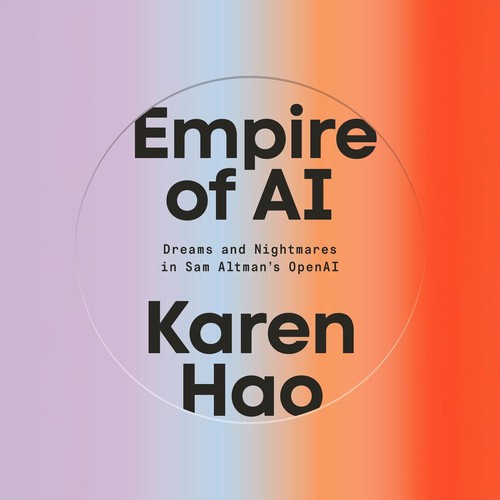
The definitive piece of investigative journalism on OpenAI: 260+ interviews, the clash between safety and speed, and the attempted firing of Sam Altma
As an Amazon Associate, Zendoric earns from qualifying purchases; the price does not change for you. · all our recommended books →
By Drug Discovery & Development · July 7, 2026.
Moderna wants to repeat the play that worked for it with covid vaccines, but this time against lupus and ovarian cancer. At its Science Day on June 25, the company presented mRNA-6007, an 'in vivo' CAR-T therapy candidate—that is, one that reprograms immune cells directly inside the patient's body via lipid nanoparticles, without needing to extract, modify in the lab and reinfuse cells—targeting B-cell-mediated autoimmune diseases, with an initial focus on systemic lupus erythematosus. It also unveiled mRNA-2151, a multiplexed T-cell activator for ovarian cancer that adds a costimulatory molecule to the attack mechanism, an attempt to solve the historical problem of T-cell exhaustion in solid tumors. And, perhaps most relevant for the long term, it presented Lucy, a machine learning platform that connects lab data in a system of closed experimental loops: according to the company, capable of testing hundreds of thousands of iterations per cycle, including screenings in mice and primates with up to a thousand candidates encoded simultaneously in a single animal via molecular barcodes.
The hard data matter here: mRNA-6007 has not yet published its preclinical results (there is only talk of 'safety, tolerability and evidence of response' in mice and primates, unpublished), and its entry into the clinic is expected for 2027. mRNA-2151 is advancing toward early development, supported by 'encouraging' results from a sister program, mRNA-2808, also without detailed public data. In other words: we are looking at platform and strategy announcements, not approvals or even published phase 1 results. The market, however, did not wait for the evidence: the stock had been rising 48% ahead of the event (driven by a favorable vote from an FDA advisory committee on its mRNA-1010 flu vaccine), jumped nearly 15% the day after Science Day and hit a 52-week high of $85.60. Even so, most analysts maintain Hold or Sell ratings, with average price targets in the $40 range—well below the current price—which portrays a market paying for a platform narrative more than for consolidated clinical evidence.
The in vivo CAR-T space that Moderna is entering with mRNA-6007 already has serious competition: Capstan Therapeutics (now part of AbbVie) is running a phase 1 trial, CREATE Medicines has already dosed more than 50 patients, and Cartesian Therapeutics signed a licensing agreement with WestGene Biopharma in June. The differentiating advantage Moderna claims is its dual-CAR design (two CARs encoded simultaneously to attack both the full B-cell lineage and plasma cells), and above all its base of more than a decade of human clinical data with mRNA-LNP, a learning asset that younger competitors will find hard to match. That is the underlying structural argument: Moderna is not just selling molecules, it is selling the manufacturing infrastructure and LNP chemistry that already proved it works at global scale during the pandemic, and it is now repurposing it as a horizontal platform for entirely different disease categories.
This is where Lucy fits with this outlet's underlying thesis: what's interesting is not the one-day stock hype, but the underlying mechanics of closing the design-experiment-learning loop without human friction between iterations. If an AI platform can truly compress years of biological experimentation into cycles that previously required entire labs working in sequence, the cumulative effect on the pace of drug discovery—not only at Moderna, but as a pattern replicable across the entire industry—is exactly the kind of acceleration that turns disease eradication from a distant aspiration into a concrete timeline. The alliance with OpenAI to incorporate public-domain data alongside proprietary clinical data reinforces that direction: the competitive advantage is no longer just the chemistry, it's who has the fastest learning loop.
That said, the platform's promise should not be confused with verified results. Neither of the two new programs has published preclinical data, and the analyst market itself—unlike the retail investors who sent the stock soaring—remains largely cautious. The lesson here is doubly useful: on the one hand, AI infrastructure applied to biotech (massive multiplexed screenings, closed loops without human intervention) is a real leap in scientific productivity that deserves serious follow-up; on the other, the pattern of 'a platform announcement sends the stock above every published price target' is precisely the kind of enthusiasm this outlet distinguishes from demonstrated progress. Moderna may be laying the groundwork for its second decade of clinical relevance, or it may be selling an AI narrative that takes years to translate into approvals. Both things can be true at once, and only the clinical trials from 2027 onward will tell.
📚 Go deeper
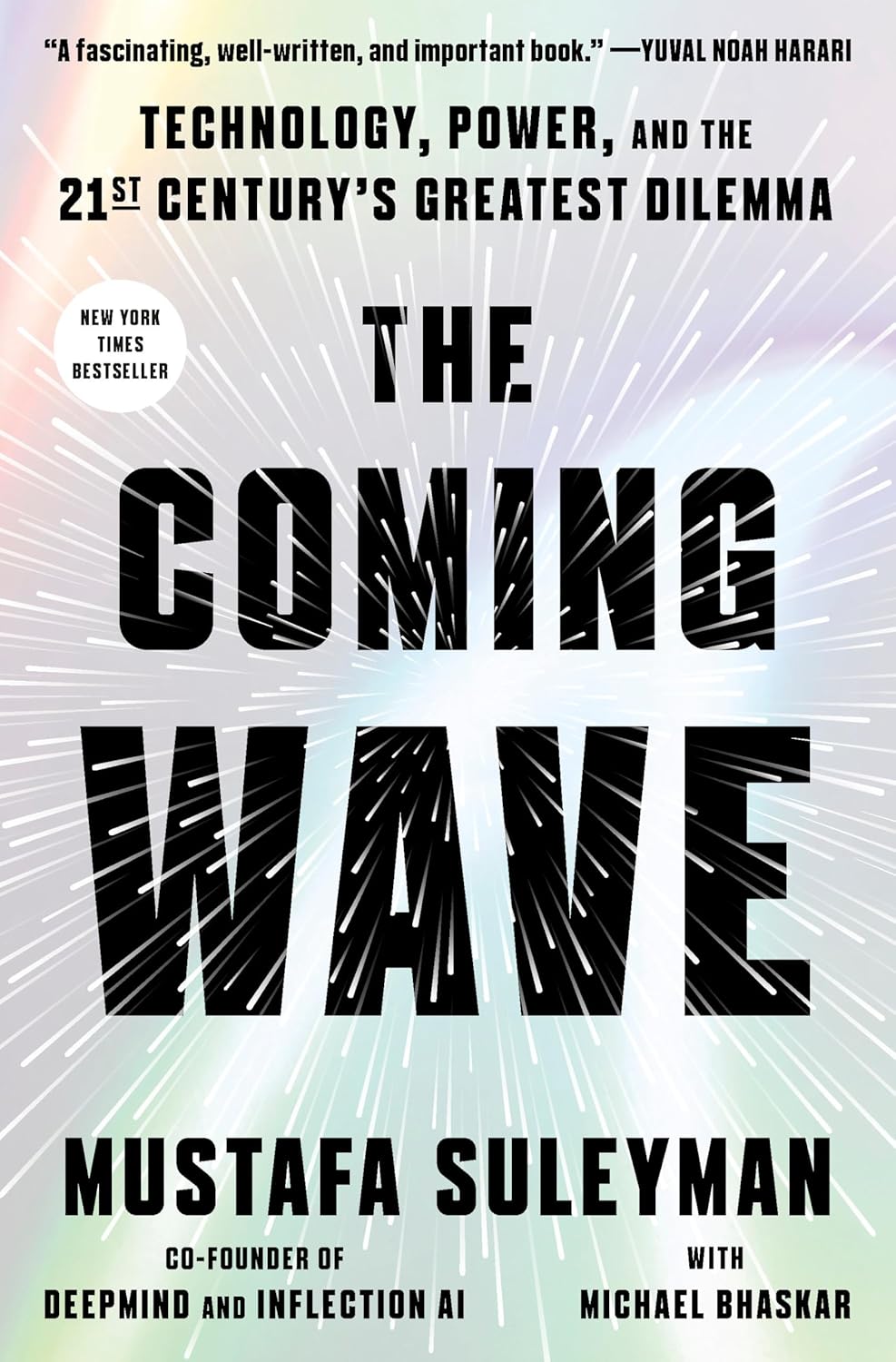
DeepMind co-founder on the dilemma of containing technologies that do not want to be contained.

The best starting book if you're not technical: a Wharton professor explains how to work WITH AI — when to delegate, when to supervise, when to keep i
As an Amazon Associate, Zendoric earns from qualifying purchases; the price does not change for you. · all our recommended books →
🔗 Related on Zendoric
- Wall Street tests the AI promise: when two out of every three stocks rise and the index falls anyway · 2026-06-27
- The Pentagon formalizes more AI in combat decisions, and the market is already positioning itself · 2026-06-26
- Coinbase lets its AI agents get paid in USDC without human intervention: the plumbing of machine money starts to be built · 2026-07-24