US proposes mechanism with China to exchange AI security alerts

🕒 Published on Zendoric: September 23, 2026 · 02:26
✨ AI-generated · how it's made
US Treasury Secretary Scott Bessent revealed that Washington has proposed to China the creation of a new bilateral dialogue mechanism on artificial intelligence, which would include a system for mutually notifying each other of AI-related incidents that could affect the national security of…
📚 Go deeper

Semiconductors as the oil of the 21st century: history, espionage, and why an island of 23 million people underpins the entire AI economy.
As an Amazon Associate, Zendoric earns from qualifying purchases; the price does not change for you. · all our recommended books →
US Treasury Secretary Scott Bessent revealed that Washington has proposed to China the creation of a new bilateral dialogue mechanism on artificial intelligence, which would include a system for notifying each other of AI-related incidents that could affect each country's national security. The proposal emerged after a day of talks in New York between US and Chinese officials, ahead of this week's summit in Washington between President Donald Trump and Chinese leader Xi Jinping.
According to Bessent, the idea is to move from opacity toward greater transparency between "the world's number one and number two AI powers," and both sides agreed to meet again to continue discussing the matter. AI is expected to feature prominently on the agenda of the Trump-Xi meeting, against a backdrop of warnings from industry leaders about the existential risks the technology could pose within a few years. Trump has called those warnings a "hoax," though he agrees with executives such as Anthropic CEO Dario Amodei that the United States cannot allow China to overtake it in the global AI race.
Experts cited in the report are skeptical that the summit will produce any major AI agreement, given the high level of distrust between the two countries. China, in fact, has interpreted calls to slow AI development as an attempt aimed specifically at its own technological progress. For his part, US Trade Representative Jamieson Greer clarified that these AI talks will not affect US export controls on advanced chips and semiconductor manufacturing equipment, restrictions that have hurt Chinese AI companies.
The official Chinese account of the talks, published by the state news agency Xinhua, did not mention the US proposal on the alert mechanism and merely noted that both sides had discussed AI, in addition to holding "candid, in-depth and constructive" exchanges on economic and trade matters, including the implementation of previous consensuses and the promotion of bilateral trade and investment.
Beyond AI, one of the summit's big unknowns is whether Trump and Xi will agree to extend the fragile trade truce that expires on November 10. Bessent and Greer indicated that both sides have agreed to launch a new "Trade Board," announced during Trump's visit to Beijing in May, and that they are exploring the possibility of cutting tariffs on "non-sensitive" products. According to Greer, on the Chinese side this could include consumer goods and low-tech items, while on the US side energy exports, agricultural products and medical devices are under consideration, though he did not specify whether this would mean immediate tariff cuts or exemptions from future tariffs.
Overall, the story reflects that, despite the media noise around AI risks, real cooperation between the two technological superpowers is advancing with extreme caution: communication channels on security are being explored, but without touching the underlying technology restrictions, and in parallel with a broader trade negotiation whose outcome remains uncertain.
📚 Go deeper
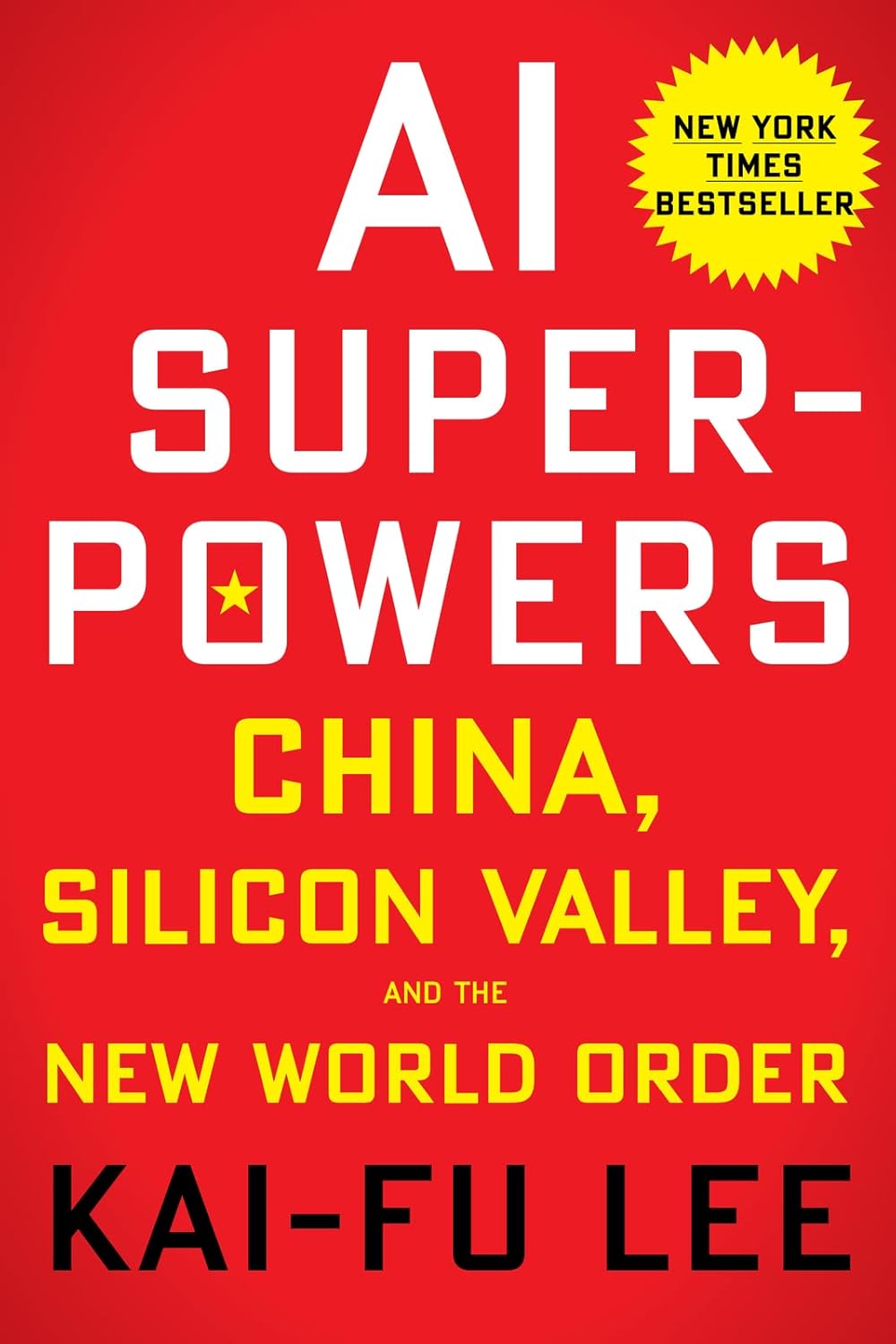
China vs.

The story of NVIDIA and Jensen Huang: how a video-game card company ended up making the most coveted resource on the planet.
As an Amazon Associate, Zendoric earns from qualifying purchases; the price does not change for you. · all our recommended books →
🔗 Related on Zendoric
- Bessent warns the U.S. could sanction China over 'theft' of AI models through distillation · 2026-07-23
- U.S. Treasury threatens sanctions against China's Moonshot over alleged distillation of Anthropic's Fable model · 2026-07-24
- US accuses DeepSeek, Alibaba and four other Chinese companies of systematically copying American AI models · 2026-09-11