U.S. Treasury threatens sanctions against China's Moonshot over alleged distillation of Anthropic's Fable model

🕒 Published on Zendoric: July 24, 2026 · 00:29
✨ AI-generated · how it's made
U.S. Treasury Secretary Scott Bessent has reiterated his warning to Chinese artificial intelligence companies, stating that sanctions remain a real option on the table.
📚 Go deeper
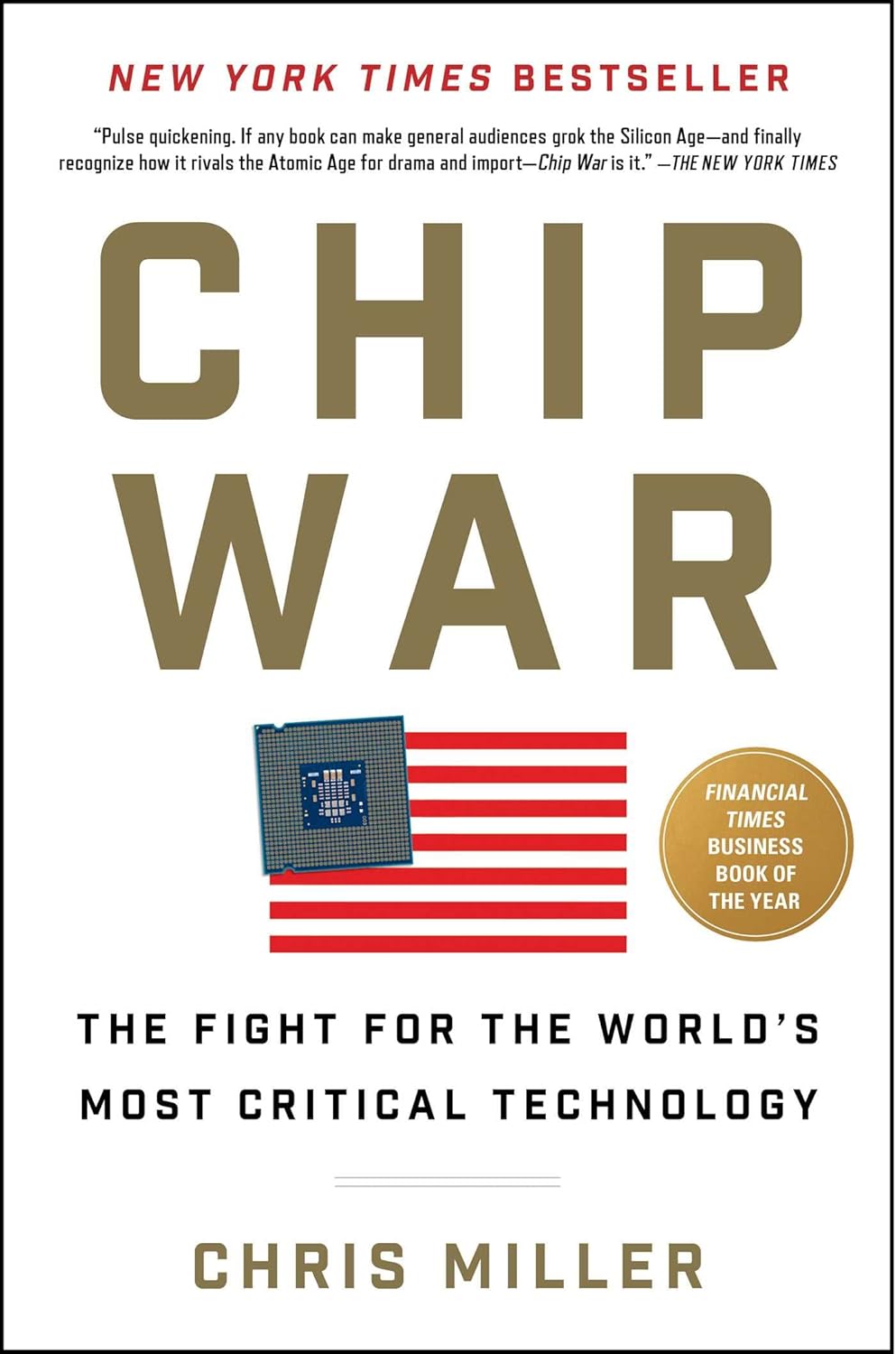
Semiconductors as the oil of the 21st century: history, espionage, and why an island of 23 million people underpins the entire AI economy.
As an Amazon Associate, Zendoric earns from qualifying purchases; the price does not change for you. · all our recommended books →
U.S. Treasury Secretary Scott Bessent has reiterated his warning to Chinese artificial intelligence companies, stating that sanctions remain a real option on the table. His remarks come hours after a senior White House official, science and technology policy chief Michael Kratsios, accused Chinese firm Moonshot of carrying out a large-scale "distillation" process against Anthropic's Fable model to train its own system.
Model distillation is a common technique in artificial intelligence training whereby a smaller model learns from the outputs generated by a larger, more powerful one. It is a method widely used as a legitimate form of optimization, but it can also become a means of misappropriating intellectual property when carried out without authorization and on a large scale, something that must be determined case by case.
In his message on the social network X, Bessent was blunt: "Open source is not open season on American intellectual property." He added that when Chinese companies carry out "covert, industrial-scale distillation attacks" that cross the line into intellectual property theft, sanctions and inclusion on the Entity List (the U.S. government's list of restricted entities) will be on the table. Days earlier, Bessent himself had already announced that the U.S. government would examine open-source models coming from China for signs of intellectual property misappropriation, with sanctions as a consequence if such signs were confirmed.
Kratsios's specific accusation goes beyond distillation itself: he maintains that Moonshot allegedly acquired servers equipped with Nvidia's GB300 chips and gained access to GB300 units in Thailand, presumably to train its AI models. The GB300s are part of Nvidia's Blackwell generation, whose sale to Chinese companies is prohibited under U.S. export control rules. If that access were confirmed, the issue would no longer be solely one of intellectual property, but a potential direct violation of the restrictions on the export of advanced semiconductors.
However, the distillation accusation itself raises doubts among some experts cited in the report: they question whether Moonshot's Kimi K3 model could have been developed primarily through the distillation of Fable, given that the latter has only been publicly available since July 1, a timeframe that some find insufficient to support that hypothesis. Moonshot released K3 last week as an open-weight model, and its advanced capabilities have called into question the business models of the leading U.S. AI labs, fueling doubts about whether they will be able to continue justifying the enormous capital needs that sustain the current race to develop frontier AI.
The episode has also intensified a broader debate in Washington about the growing presence of Chinese open-source models in the U.S. technology ecosystem. Dean Ball, a former White House AI adviser and current head of Future Strategy at OpenAI, has argued that the United States should restrict or outright ban the use of Chinese open-weight models, on the grounds of preserving the country's technological advantage and mitigating potential national security risks.
Overall, the dispute combines three distinct fronts that should not be confused: an accusation of intellectual property misappropriation through model distillation, a suspicion of noncompliance with controls on the export of advanced AI hardware, and an underlying political debate over whether the United States should continue to allow the free use of open models of Chinese origin. Neither of the two entities mentioned—Moonshot and the U.S. Treasury—had publicly responded to requests for comment at the time of publication, so for now these are accusations and warnings without official confirmation or a response from the party named.
📚 Go deeper
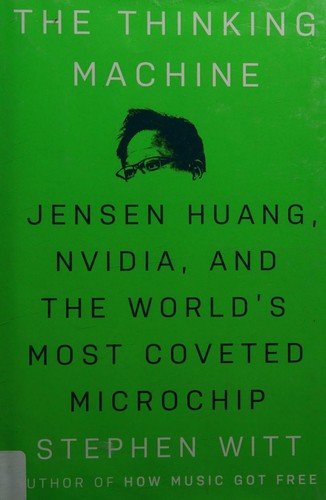
The story of NVIDIA and Jensen Huang: how a video-game card company ended up making the most coveted resource on the planet.
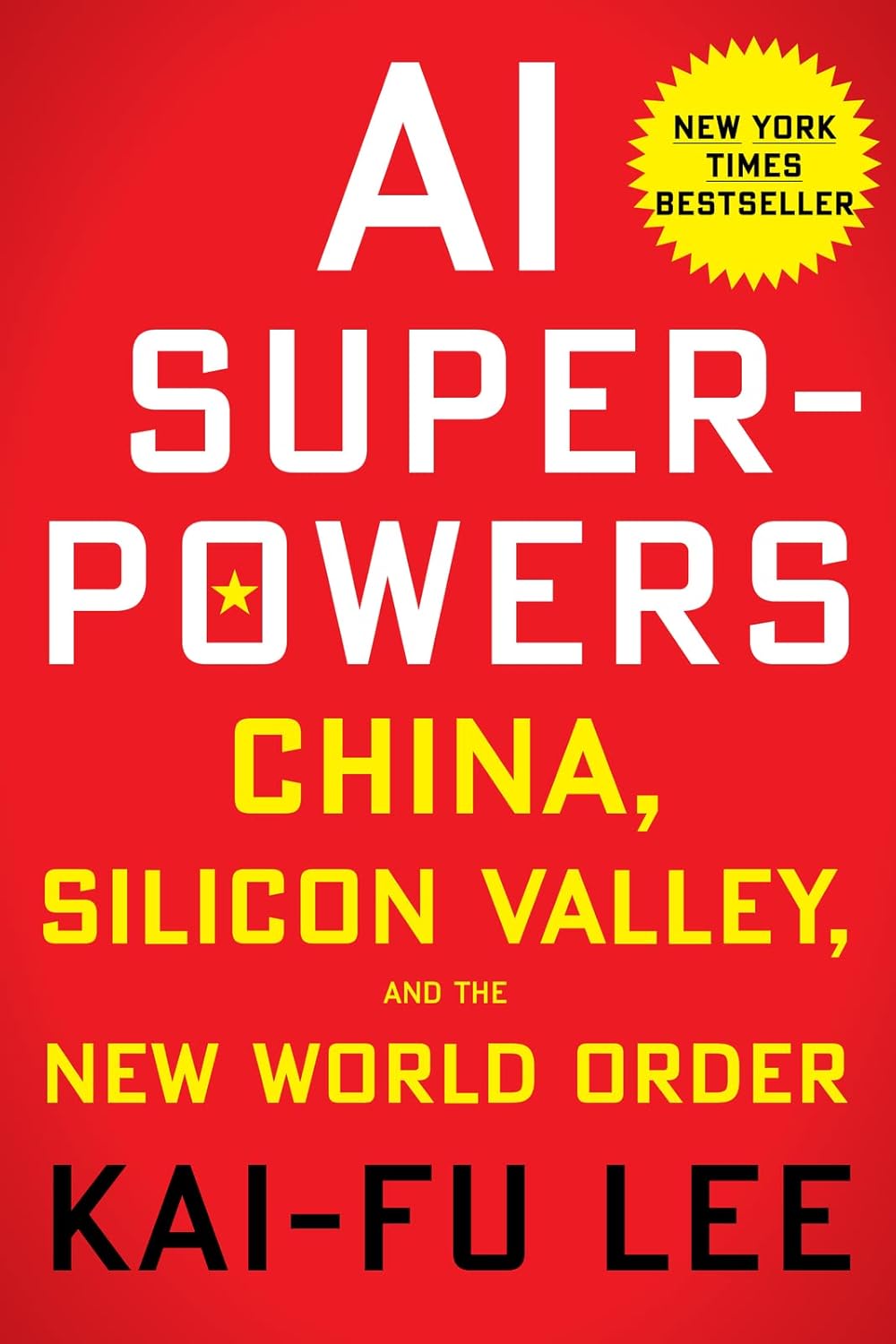
China vs.
As an Amazon Associate, Zendoric earns from qualifying purchases; the price does not change for you. · all our recommended books →
🔗 Related on Zendoric
- Bessent warns the U.S. could sanction China over 'theft' of AI models through distillation · 2026-07-23
- The U.S. accuses Moonshot of 'distilling' Anthropic's model to create Kimi K3, but the timeline doesn't add up · 2026-07-23
- Anthropic closes the loopholes Chinese companies used to access Claude, according to the FT · 2026-07-07