Anthropic's $40B compute lease from Musk turns a safety promise into a rival's contract clause
🕒 Published on Zendoric: September 3, 2026 · 10:20
✨ AI-generated · how it's made
Anthropic is reportedly paying xAI/SpaceX about $1.25 billion a month through May 2029 — over $40 billion — for exclusive use of the 220,000-GPU Colossus 1 site in Memphis. The clause drawing attention would let SpaceX reclaim that compute if Claude is found to harm humanity. Neither company has jointly confirmed the wording, and that ambiguity is the story.
📚 Go deeper
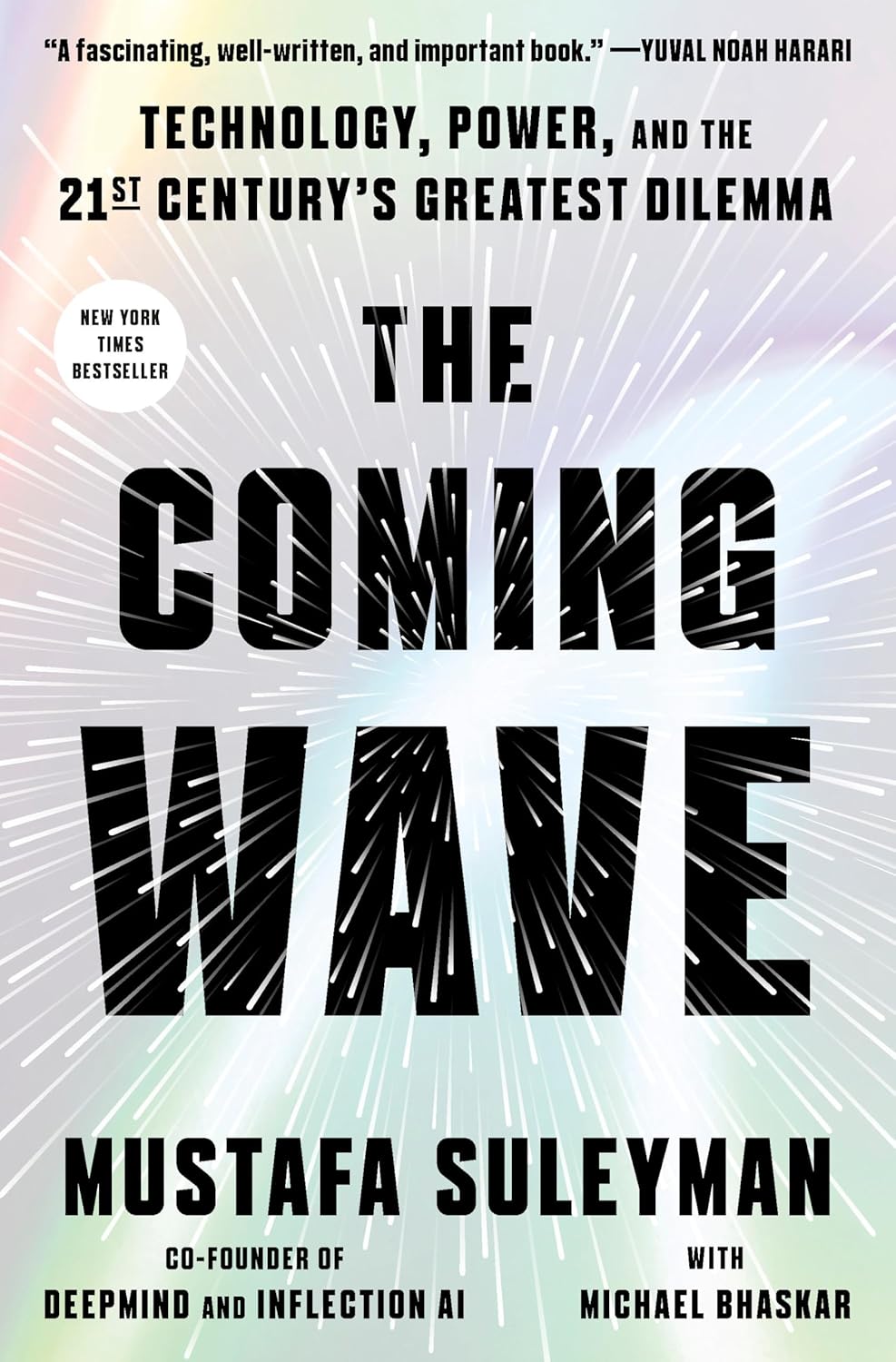
DeepMind co-founder on the dilemma of containing technologies that do not want to be contained.
As an Amazon Associate, Zendoric earns from qualifying purchases; the price does not change for you. · all our recommended books →
The headline figure: roughly $1.25 billion a month through May 2029, more than $40 billion in total, for full access to Colossus 1 — the Memphis data center Musk's companies built, with more than 220,000 Nvidia processors drawing 300 megawatts. Per WION's account of the reported deal, Anthropic gets the whole facility rather than a slice; xAI keeps the larger Colossus 2 for training Grok. So this is not Anthropic queuing behind a competitor for capacity. It is Anthropic renting a competitor's second stadium, exclusively, at about $15 billion a year.
The compute is already visible in the product. Anthropic says the added capacity let it double Claude Code's usage limits and lift peak-hour caps for paying customers. That is worth stating plainly because it is the unglamorous truth of this era: for coding agents and long-running tasks, capability improvements and capacity improvements feel identical to the user. A model you can actually run all day is a better model than one you get rationed.
Then there is the clause. Multiple reports describe a provision letting SpaceX reclaim the compute if Anthropic's models are found to engage in actions that harm humanity. The exact wording and contractual status have not been jointly confirmed by either company, and that caveat should travel with every mention of it. Treated as reported, it is a genuinely novel form of supply-chain risk: a lab's safety commitments becoming enforceable — at least in theory — through a rival's infrastructure contract rather than only through its own governance.
Here is where we part company with the applause. Every question that makes a safety mechanism meaningful is unanswered in the reporting. Who determines that harm occurred? Against what definition, when "harms humanity" has no operational meaning in engineering or in law? Is there notice, evidence, a right of reply, an appeal, a wind-down period — or does a counterparty simply assert the trigger and reclaim 300 megawatts? We have argued repeatedly that the coming standard for automated and institutional decisions is not accuracy but due process: a decision you cannot contest is judged as a governance failure regardless of whether it was correct. A kill switch held by a competitor, with an undefined trigger and no visible adjudication, is the version of that problem with the highest possible stakes.
The optics reinforce the point. Musk has previously called Anthropic "woke," "misanthropic" and "evil"; after the deal closed he posted that everyone he met there was "highly competent and cared a great deal about doing the right thing." We take the warm words at face value and still note that goodwill is not a governance instrument. Contracts exist precisely because relationships change, and a clause whose interpretation depends on the mood of the party holding the plug is not a safeguard — it is leverage that happens to be pointed in a socially acceptable direction today.
Our reading: the real news is not the safety clause, it is what the price tag reveals about where power sits. Compute remains the binding constraint on the frontier, and $40 billion buys a lease, not independence. The company that built its public identity on being the careful lab now has its throughput, its product limits and — if the reporting is accurate — a theoretical veto over its own operations sitting inside someone else's balance sheet. Long term we are optimistic about what this capacity produces: more compute is what turns AI from a chat product into a research instrument aimed at disease, materials and drug discovery, and 220,000 GPUs pointed at that work is a good thing in the world. Short term, the structural lesson is harder. Frontier AI is consolidating into a handful of entities that can finance gigawatt-scale infrastructure, and safety governance that lives in bilateral contracts between rivals is not a substitute for governance that lives in institutions, with published rules and a process you can appeal.
Two things to watch: whether either company publishes the actual clause language, and whether Anthropic diversifies its compute base before 2029. If this arrangement becomes the template — labs leasing capacity from competitors under conduct covenants — the industry will have invented a private regulatory regime with no regulator, no standard of evidence, and no one to appeal to. That is worse than no regime at all, because it looks like one.
📚 Go deeper
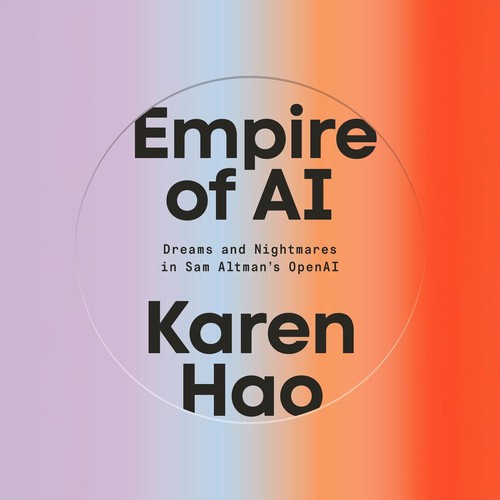
The definitive piece of investigative journalism on OpenAI: 260+ interviews, the clash between safety and speed, and the attempted firing of Sam Altma

AI as the latest chapter in the history of information networks, from gossip to the printing press to the algorithm.
As an Amazon Associate, Zendoric earns from qualifying purchases; the price does not change for you. · all our recommended books →
🔗 Related on Zendoric
- Anthropic will pay Musk $40 billion for compute — and reportedly wrote its own safety pledge into the lease · 2026-07-29
- Anthropic's $40B compute deal with Musk: the safety lab now rents its future from a rival · 2026-07-31
- Anthropic rents Musk's supercomputer for $40B — and safety becomes a clause someone else can enforce · 2026-09-04