Anthropic will pay Musk $40 billion for compute — and reportedly wrote its own safety pledge into the lease

🕒 Published on Zendoric: July 29, 2026 · 00:34
✨ AI-generated · how it's made
Anthropic has agreed to roughly $1.25 billion a month through May 2029 for exclusive use of xAI/SpaceX's Colossus 1: 220,000-plus Nvidia processors drawing 300 megawatts. Reports describe a clause letting SpaceX reclaim the compute if Claude is found to harm humanity — a novel dependency neither company has jointly confirmed.
📚 Go deeper
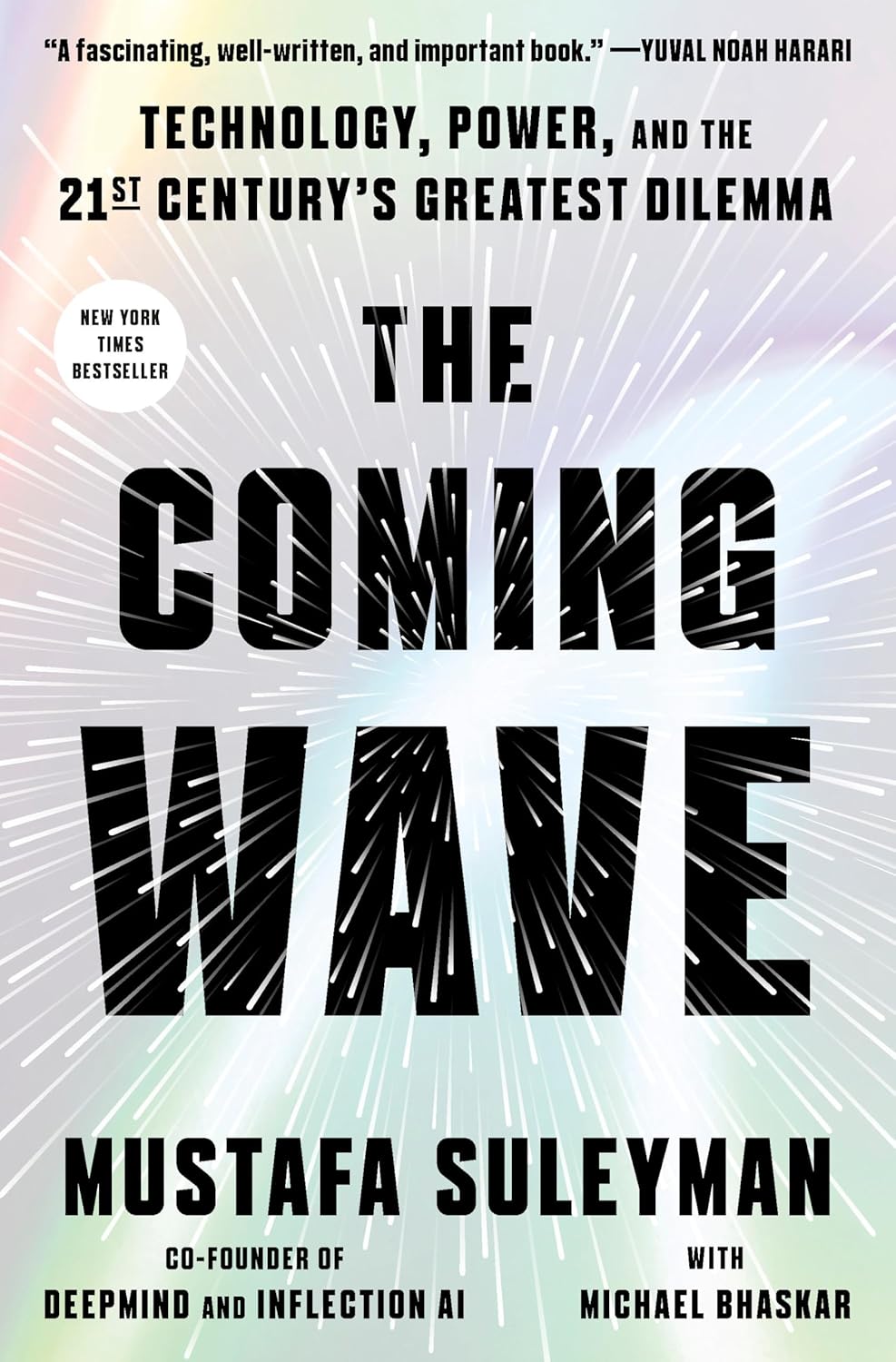
DeepMind co-founder on the dilemma of containing technologies that do not want to be contained.
As an Amazon Associate, Zendoric earns from qualifying purchases; the price does not change for you. · all our recommended books →
Anthropic has agreed to pay Elon Musk's xAI/SpaceX approximately $1.25 billion a month through May 2029 for full access to Colossus 1, the Memphis data center Musk's companies built for AI training. Over the term, that is more than $40 billion. The facility gives Anthropic more than 220,000 Nvidia processors drawing 300 megawatts of power — and it is exclusive: xAI keeps the larger Colossus 2 for Grok's own training, so Anthropic is not sharing silicon with a direct competitor's model runs.
The effect is already visible in the product. Anthropic says the added capacity let it double Claude Code's usage limits and lift peak-hour caps for paying customers. That is the unglamorous truth behind most AI "model improvements" users notice month to month: not a smarter architecture, but more machines running.
What has drawn the industry's attention is not the price but a reported clause that would let SpaceX reclaim the compute if Anthropic's models are found to engage in actions that harm humanity. The precise wording and contractual status have not been jointly confirmed by either company, and that caveat matters — this is widely reported, not verified text. If it exists as described, it is genuinely novel: a lab's safety commitments become enforceable through a competitor's infrastructure contract rather than solely through its own governance.
Start with the economics, because they are the less discussed half. Anthropic has built its public identity as the safety-first alternative to move-fast AI labs, and it now depends financially on Musk to keep operating. That is not hypocrisy; it is what the compute market looks like in 2026. Chips, land, transformers and grid interconnects are the binding constraint on frontier AI, and there are very few parties who have assembled 300 megawatts of working capacity. Rivals rent to rivals because the alternative is idle capital on one side and stalled training on the other. The moat in this industry is not model cleverness — by our own quality index Anthropic sits at the frontier — it is electricity and the right to draw it.
Now the governance question, which is where we would push back. "Harms humanity" is a phrase with no measurable threshold, no named adjudicator, and no appeal process described in any of the reporting. A safety condition that cannot be evaluated is not a safety condition; it is leverage. Handing that leverage to a commercial counterparty who also competes with you creates a mechanism that could, in principle, be invoked over a disputed benchmark, an embarrassing red-team result, or a business dispute wearing safety clothing. Good AI governance looks like defined capability thresholds, independent third-party evaluation, and published criteria — the direction safety frameworks and national institutes have been moving. It does not look like a kill switch in a lease.
Our read: treat this as a datapoint about power concentration, not about ethics. The story is that the physical layer of AI — data centers, power, cooling — has become the real chokepoint, and whoever controls it acquires influence over labs that are nominally independent. That is a short-term problem worth naming clearly, and it compounds the concentration we have flagged repeatedly: a handful of firms controlling the substrate on which everything else is built.
The long-term arithmetic still points somewhere better. Compute at this scale is what makes protein folding, drug candidate screening and materials discovery tractable, and doubling a coding tool's limits is the boring near-term version of the same curve that eventually compresses the timeline on curing disease. We would rather these machines run than sit dark. But the terms on which they run should be public, specific and adjudicated by someone with no position in the race. Until the actual contract language is disclosed — and neither company has done that — the honest description is a $40 billion dependency with an undefined trapdoor, which is a strange foundation for the industry's most safety-focused lab.
📚 Go deeper
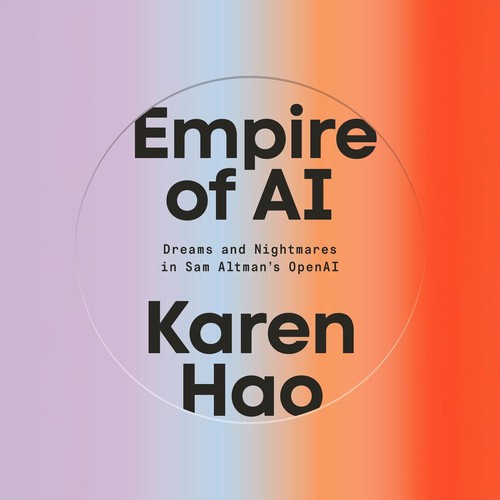
The definitive piece of investigative journalism on OpenAI: 260+ interviews, the clash between safety and speed, and the attempted firing of Sam Altma
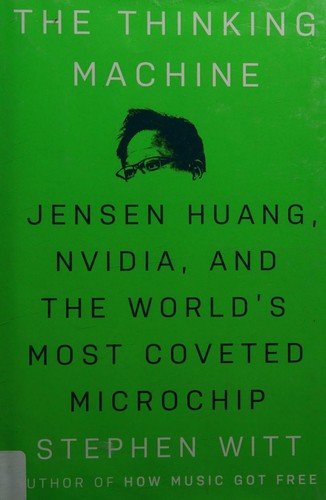
The story of NVIDIA and Jensen Huang: how a video-game card company ended up making the most coveted resource on the planet.
As an Amazon Associate, Zendoric earns from qualifying purchases; the price does not change for you. · all our recommended books →
🔗 Related on Zendoric
- Anthropic's $40B compute deal with Musk: the safety lab now rents its future from a rival · 2026-07-31
- Anthropic's $40B bill to Musk shows compute, not cleverness, is the real chokepoint in frontier AI · 2026-09-02
- Anthropic's $40B compute lease from Musk turns a safety promise into a rival's contract clause · 2026-09-03