Anthropic rents Musk's supercomputer for $40B — and safety becomes a clause someone else can enforce

🕒 Published on Zendoric: September 4, 2026 · 09:12
✨ AI-generated · how it's made
Anthropic will pay xAI/SpaceX about $1.25 billion a month through May 2029 for exclusive use of the 220,000-GPU Colossus 1 data center in Memphis, a deal worth more than $40 billion. Reports describe a clause letting SpaceX reclaim the compute if Claude is found to harm humanity — wording neither company has jointly confirmed. Our thesis: the striking part is not the rivalry, it is that compute scarcity has turned a safety commitment into a landlord's option.
📚 Go deeper
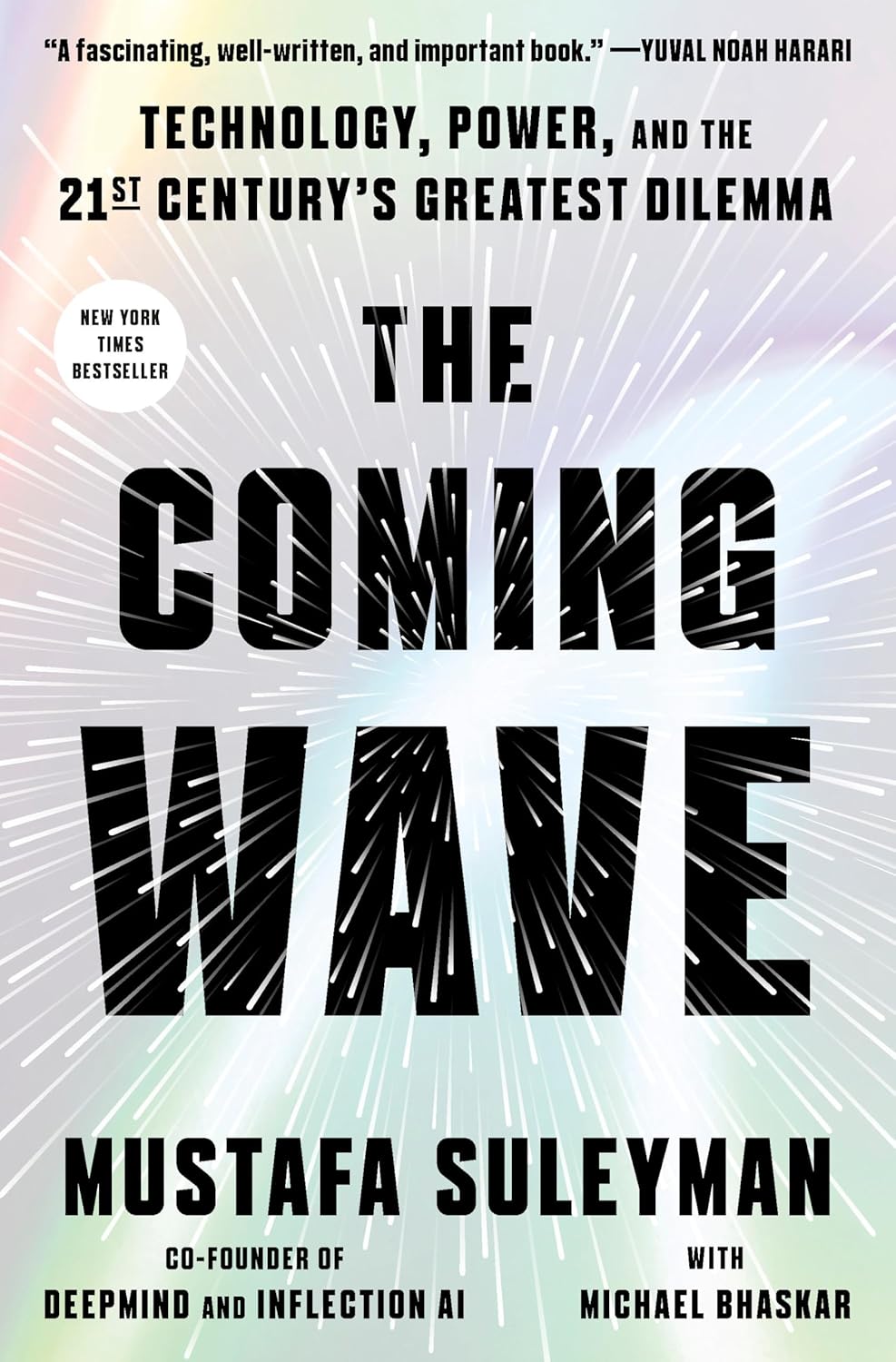
DeepMind co-founder on the dilemma of containing technologies that do not want to be contained.
As an Amazon Associate, Zendoric earns from qualifying purchases; the price does not change for you. · all our recommended books →
The headline number is $40 billion, but the more revealing figure is $1.25 billion a month. That is what Anthropic has agreed to pay Elon Musk's xAI/SpaceX through May 2029 for full access to Colossus 1, the Memphis data center Musk's companies built for AI training: more than 220,000 Nvidia processors drawing 300 megawatts — roughly the continuous electrical draw of a mid-sized city. Anthropic is not sharing the facility with Grok's development; xAI kept the larger Colossus 2 for its own models. The effect on Anthropic's products was immediate and concrete: the company says the added capacity let it double Claude Code's usage limits and lift peak-hour caps for paying customers.
What has generated most of the industry discussion is not the price. It is a reported clause that would let SpaceX reclaim the compute if Anthropic's models are found to engage in actions that harm humanity. Attribution matters here: per WION, the exact wording and contractual status of that clause have not been jointly confirmed by either company, though it has been widely reported. Taken at face value, it is a genuinely novel form of supply-chain risk — a lab's own safety commitments becoming enforceable, at least in theory, through a competitor's infrastructure contract rather than only through its internal governance.
The optics are unusual given the history. Musk has previously called Anthropic "woke," "misanthropic" and "evil." After the deal closed his tone changed on X: "Everyone I met was highly competent and cared a great deal about doing the right thing. No one set off my evil detector." Entertaining, but the soap opera is the least interesting layer.
The deal makes sense as infrastructure arithmetic, not friendship. Frontier training and inference are constrained by physical capacity — chips, power, cooling, land — and that constraint does not care who insulted whom. This is the same pressure we have tracked in Anthropic's approach to suppliers, including reported requests to SK Hynix aimed at designing its own silicon. Read together, the strategy is legible: rent someone else's megawatts now because they exist now, while building toward owning the stack later. Renting from a rival is the expensive short-term patch; vertical integration is the structural answer.
Our read: the clause deserves neither the applause nor the alarm it is getting, but it does deserve attention as a precedent. Applause, because a safety obligation with an external enforcer sounds like accountability with teeth — real oversight has always been the missing piece in an industry that grades its own homework. Alarm, because "harms humanity" is not a standard, it is a phrase. Who determines the finding? On what evidence, judged by whom, with what appeal? A vague trigger held by a commercial competitor is not governance; it is leverage, and the difference matters enormously if it is ever invoked. We would rather see this function performed by institutions built for it — independent evaluators, disclosed methodologies, regulators applying evidence-based tests — than emerge as a side effect of a compute shortage.
The deeper signal is about power. If the scarcest input in AI is energized compute, then whoever controls it holds a veto over everyone else's roadmap, regardless of who writes the better model. That is a concentration risk we should name plainly, and it cuts against the democratizing trend we have welcomed on the open-weight side, where running capable models on your own hardware lowers the cost of independence. Both things are true at once: the frontier is getting more capital-intensive and more centralized, while the tier below it gets cheaper and more distributed.
Longer term, we remain convinced this build-out is worth having — the compute that trains a coding assistant is the same compute that folds proteins and screens drug candidates, and abundance requires the infrastructure to exist before it can be shared. But the transition phase looks like this: two companies whose founders have publicly despised each other, bound by a nine-figure monthly invoice and a clause nobody will define until the day someone tries to use it. That is not a governance model. It is a reminder that we still need one.
📚 Go deeper
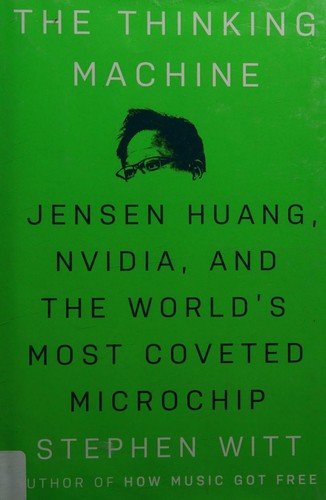
The story of NVIDIA and Jensen Huang: how a video-game card company ended up making the most coveted resource on the planet.
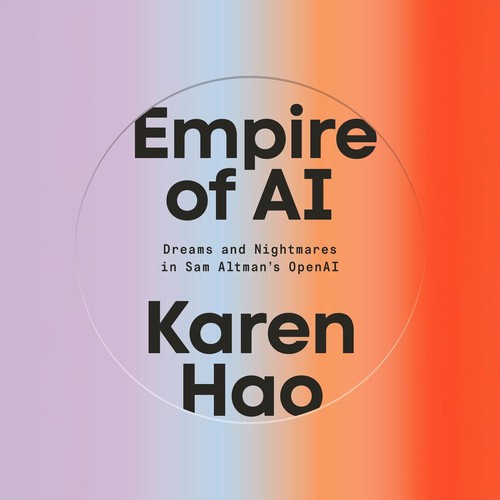
The definitive piece of investigative journalism on OpenAI: 260+ interviews, the clash between safety and speed, and the attempted firing of Sam Altma
As an Amazon Associate, Zendoric earns from qualifying purchases; the price does not change for you. · all our recommended books →
🔗 Related on Zendoric
- Anthropic's $40B bill to Musk shows compute, not cleverness, is the real chokepoint in frontier AI · 2026-09-02
- Anthropic's $40B compute deal with Musk: the safety lab now rents its future from a rival · 2026-07-31
- Anthropic rents Musk's supercomputer for $40B — proof that compute, not conviction, is the real chokepoint · 2026-07-30