Meta's Muse Spark 1.1 beats GPT-5.6 on health at 1/7 the cost — and ships free to 3.56 billion people

🕒 Published on Zendoric: July 27, 2026 · 00:21
✨ AI-generated · how it's made
Meta says its new Muse Spark 1.1 outscores GPT-5.6 on HealthBench, OpenAI's own health evaluation, at roughly one-seventh the cost. The distribution number is the real story: free access inside products with 3.56 billion daily users.
📚 Go deeper
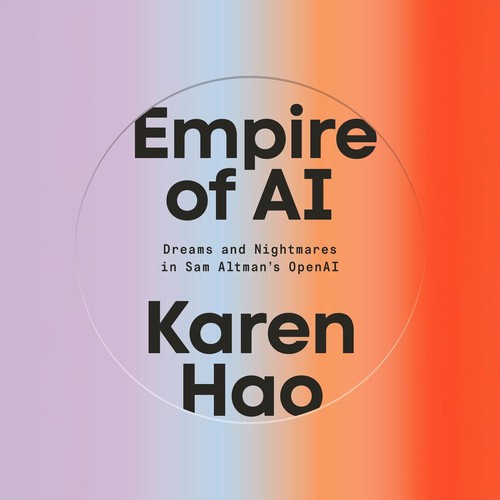
The definitive piece of investigative journalism on OpenAI: 260+ interviews, the clash between safety and speed, and the attempted firing of Sam Altma
As an Amazon Associate, Zendoric earns from qualifying purchases; the price does not change for you. · all our recommended books →
The claims, per the note: Meta has released Muse Spark 1.1; it surpasses GPT-5.6 on HealthBench — the health-conversation benchmark built by OpenAI — at a cost roughly seven times lower; and it is offered free inside Meta's products, which reach 3.56 billion daily active users.
Two of those three numbers deserve scrutiny, and the third deserves alarm. On the benchmark: HealthBench grades model responses to medical conversations against physician-written rubrics. Beating a rival on one evaluation, self-reported by the challenger, is not the same as being better at health. Our own composite reading still places GPT-5.6 near the top of the frontier on hard, non-saturated tasks. One benchmark win is a marketing artifact until independent replication says otherwise.
On cost: a 7× price gap is the genuinely consequential figure, and it's consistent with what we've tracked all year — inference economics collapsing while total spend rises. Cheap medical-grade conversation is how you get triage advice to people who currently get none. That is the abundance thesis working as intended.
On distribution: 3.56 billion daily users is roughly 40% of humanity, and it is why this launch matters more than its scorecard. Meta is not selling a health model; it is defaulting one into WhatsApp, Instagram and Facebook. The competitive lesson we keep returning to holds — the frontier is won at the plumbing layer, not the leaderboard.
Our reading: free, cheap health guidance at planetary scale is one of the most concretely good things AI can do in this decade, and also the highest-stakes place to ship a model that hasn't been independently audited. Medical advice fails asymmetrically: a marginally better rubric score does not cover a confidently wrong answer given to someone who won't see a doctor afterward. We'd like to see external evaluation, published refusal behavior on emergencies, and clarity on what happens to those conversations. Until then: a real step forward, delivered at a scale that leaves no room for benchmark theater.
📚 Go deeper
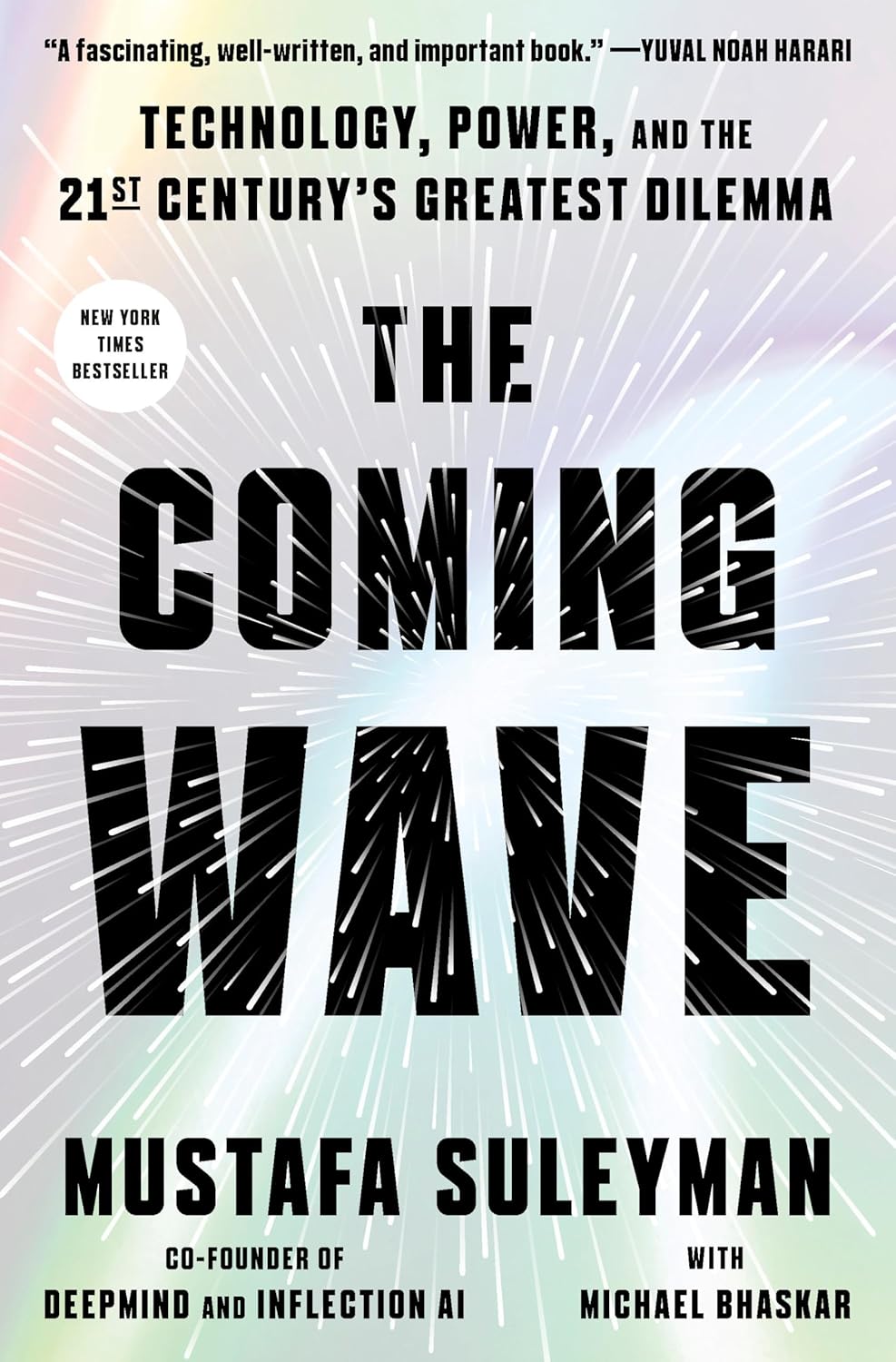
DeepMind co-founder on the dilemma of containing technologies that do not want to be contained.
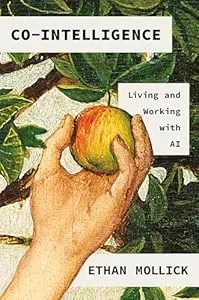
The best starting book if you're not technical: a Wharton professor explains how to work WITH AI — when to delegate, when to supervise, when to keep i
As an Amazon Associate, Zendoric earns from qualifying purchases; the price does not change for you. · all our recommended books →
🔗 Related on Zendoric
- Meta's Muse Spark 1.1 beats GPT-5.6 on a rival's health benchmark — but distribution is the real weapon · 2026-07-26
- GPT-5.6 clears federal review and ships with 'ChatGPT Work' — the agent race is now about distribution · 2026-07-10
- OpenAI cutting off Cursor turns model access into a revocable utility, not infrastructure · 2026-08-31