GPT-5.6 clears federal review and ships with 'ChatGPT Work' — the agent race is now about distribution

🕒 Published on Zendoric: July 10, 2026 · 00:24
✨ AI-generated · how it's made
OpenAI has received the Trump administration's green light to publicly release GPT-5.6 and launched ChatGPT Work, an agent aimed at non-technical users. The real story isn't the model score — it's who wins the fight to make agents genuinely useful, and cheaper.
📚 Go deeper
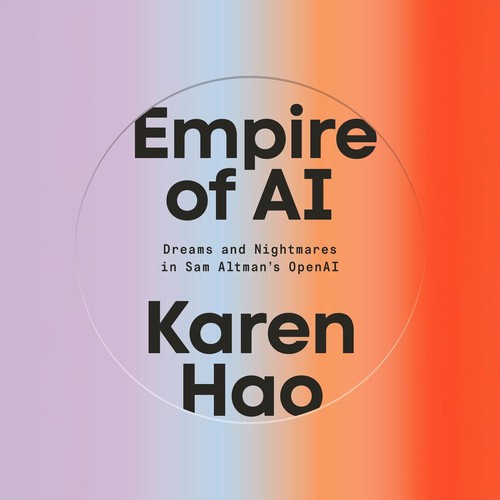
The definitive piece of investigative journalism on OpenAI: 260+ interviews, the clash between safety and speed, and the attempted firing of Sam Altma
As an Amazon Associate, Zendoric earns from qualifying purchases; the price does not change for you. · all our recommended books →
About two weeks after GPT-5.6 was restricted to government-approved organizations during a "limited preview," OpenAI has cleared a federal national-security and cybersecurity review and is rolling the model out publicly, per The Verge. Sam Altman called it "the best model we have ever produced." Alongside it, OpenAI unveiled ChatGPT Work — billed as a fusion of ChatGPT and Codex that lets everyday, non-technical users produce documents, spreadsheets, presentations, and web apps, pulling context from tools like Slack, Gmail, Google Drive, calendars, and CRMs through a unified plugins directory. It's powered by the GPT-5.6 suite (Sol, Terra, and Luna) and rolls out globally over roughly 24 hours, reaching free desktop users immediately.
Two threads we've been tracking converge here. The first is governance: models are now gated behind government review before public release. OpenAI's federal pause mirrors what Anthropic went through with Mythos and Fable — a precedent where frontier models are treated as strategic assets requiring state sign-off. That's a meaningful shift in how AI reaches the market, and it cuts both ways: it acknowledges real security stakes, but it also concentrates release power in the hands of regulators and the largest labs that can navigate the process.
The second thread is the agent war. ChatGPT Work is a direct answer to Anthropic's Claude Cowork, and it lands in the wake of the viral open-source agent OpenClaw. Notice where the battle has moved: not to who has the smartest model in isolation, but to who can wire that model into the apps, files, and workflows people already live in. This is the "plumbing" thesis we've argued before — the winner controls distribution and integration, not just the leaderboard. The plugins directory is the tell.
There's also a cost signal worth flagging. OpenAI is explicitly marketing Sol as a lower-cost alternative to competitors' top models, "amid complaints of an industry-wide money squeeze and AI lab costs being passed onto customers." That candor matters. The economics of frontier AI are under strain, and price is becoming a competitive weapon as much as capability.
Our reading: this is the maturation of AI from demo to product, with all the friction that implies — federal reviews, a crowded agent field where, as The Verge notes, the reliable right-hand assistant "remains out of reach," and mounting pressure on unit economics. The short-term picture is messy and transitional. But the long-arc trajectory is intact: making these capabilities usable and affordable for ordinary people is precisely how AI moves from novelty to genuine leverage on everyday work. We'd measure GPT-5.6 against hard benchmarks before crowning it, and judge ChatGPT Work by whether it actually finishes real tasks — not by the launch-day adjectives.
📚 Go deeper
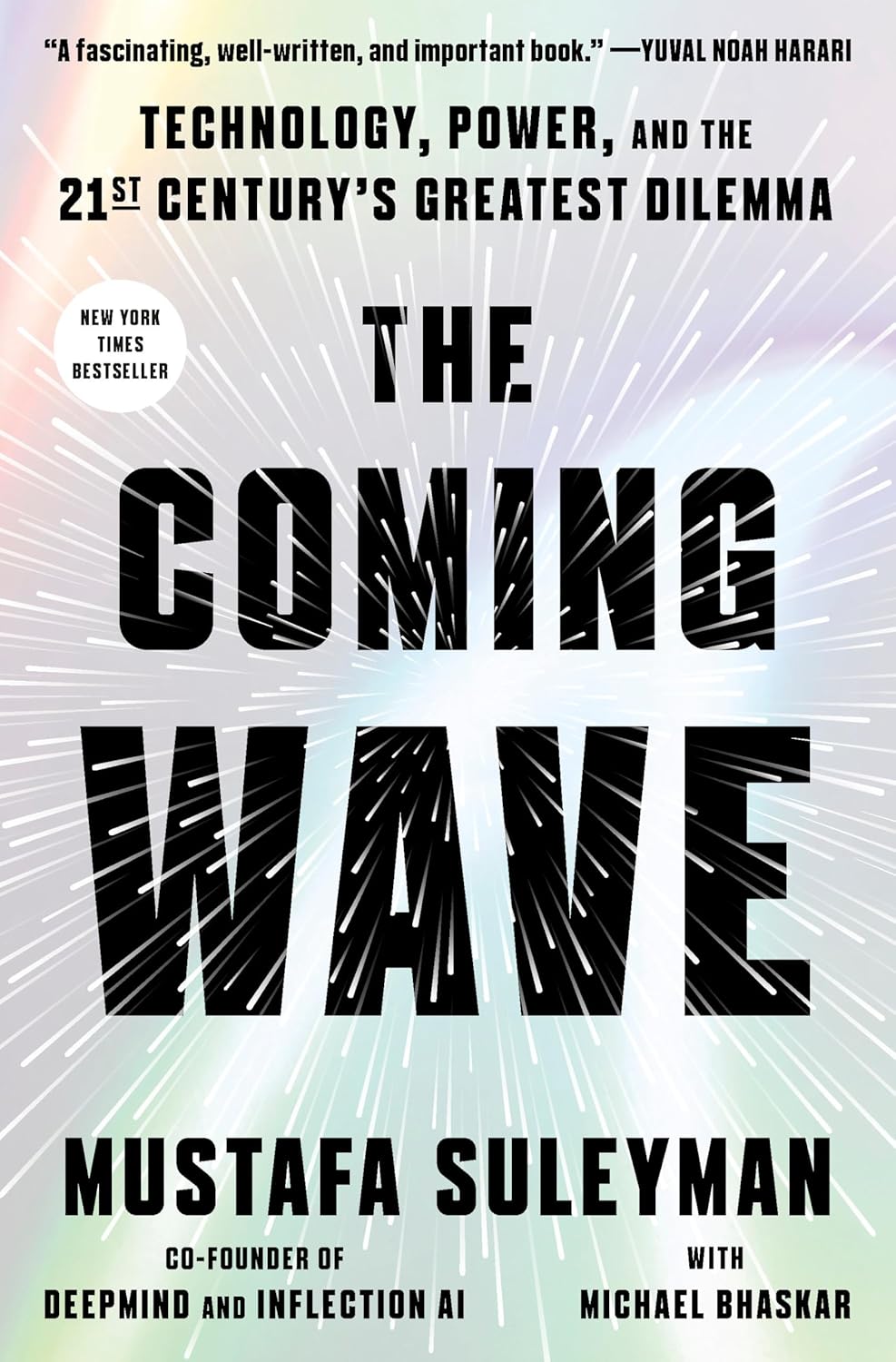
DeepMind co-founder on the dilemma of containing technologies that do not want to be contained.
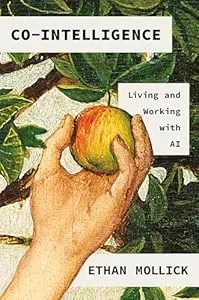
The best starting book if you're not technical: a Wharton professor explains how to work WITH AI — when to delegate, when to supervise, when to keep i
As an Amazon Associate, Zendoric earns from qualifying purchases; the price does not change for you. · all our recommended books →
🔗 Related on Zendoric
- US lifts restrictions on OpenAI's GPT-5.6 after negotiations with the Trump administration · 2026-07-09
- GPT 5.6 rolls out in a trickle: when the State stands, de facto, between the model and the market · 2026-06-27
- OpenAI Staggers GPT-5.6 at Washington's Request: Caution as a Feature, Not a Bug · 2026-06-27