Meta's Muse Spark 1.1 beats GPT-5.6 on a rival's health benchmark — but distribution is the real weapon

🕒 Published on Zendoric: July 26, 2026 · 00:23
✨ AI-generated · how it's made
Meta says its new Muse Spark 1.1 outscores OpenAI's GPT-5.6 on Healthbench — OpenAI's own health benchmark — at one-seventh the cost. The number to watch isn't the score: it's the 3.56 billion daily users who get it free inside Meta's apps.
📚 Go deeper
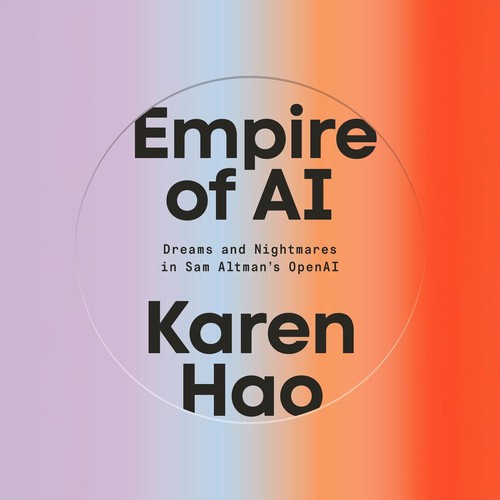
The definitive piece of investigative journalism on OpenAI: 260+ interviews, the clash between safety and speed, and the attempted firing of Sam Altma
As an Amazon Associate, Zendoric earns from qualifying purchases; the price does not change for you. · all our recommended books →
Meta has launched Muse Spark 1.1 and framed it around a single claim: it beats GPT-5.6 on Healthbench, OpenAI's own benchmark for health-related conversations, while costing seven times less to run. The model is being offered free inside Meta's products, which the company puts at 3.56 billion daily active users.
Two caveats before the applause. First, the comparison comes from the launch itself, not from an independent evaluation — winning on a rival's benchmark is rhetorically powerful precisely because it looks neutral, but we have no third-party replication yet. Second, Healthbench measures the quality of answers to health questions. It does not measure clinical outcomes. A model can score well on rubric-graded conversations and still be the wrong thing to lean on when someone is deciding whether to go to a hospital.
The cost figure is the more interesting number. Seven times cheaper is not a bragging metric, it's a deployment metric: it's the difference between a health assistant you meter and one you hand to billions of people for free. That is exactly what Meta is doing, and it fits a pattern we've tracked all year — the frontier fight has shifted from who has the smartest model to who controls the pipes. Meta has been largely absent from the frontier conversation dominated by Anthropic, OpenAI and the Chinese open-weight labs. It doesn't need to win the leaderboard. It needs a good-enough model at throwaway cost inside apps people already open forty times a day.
Our reading: this is the abundance thesis arriving through the least glamorous door. Free, competent health guidance at planetary scale is a genuinely large good — for the billions of people whose realistic alternative is no medical advice at all, not a second opinion. That is the long arc we believe in: AI compressing the cost of health knowledge until it stops being a privilege.
The short term is messier, and Meta's scale is what makes it messy. Deploying a health-tuned model to 3.56 billion people is the largest uncontrolled medical-advice experiment ever run, and the guardrail that matters is the one we've seen consolidate everywhere risk is high: the machine assists, a human keeps the decision. What we'd want to see next is not a higher benchmark score but the boring infrastructure around it — independent verification of the Healthbench result, published escalation behaviour when a conversation looks like an emergency, and error rates broken out by language and region, because a model that is excellent in English and mediocre in Hindi or Bahasa will fail exactly the users this is supposed to help most.
📚 Go deeper
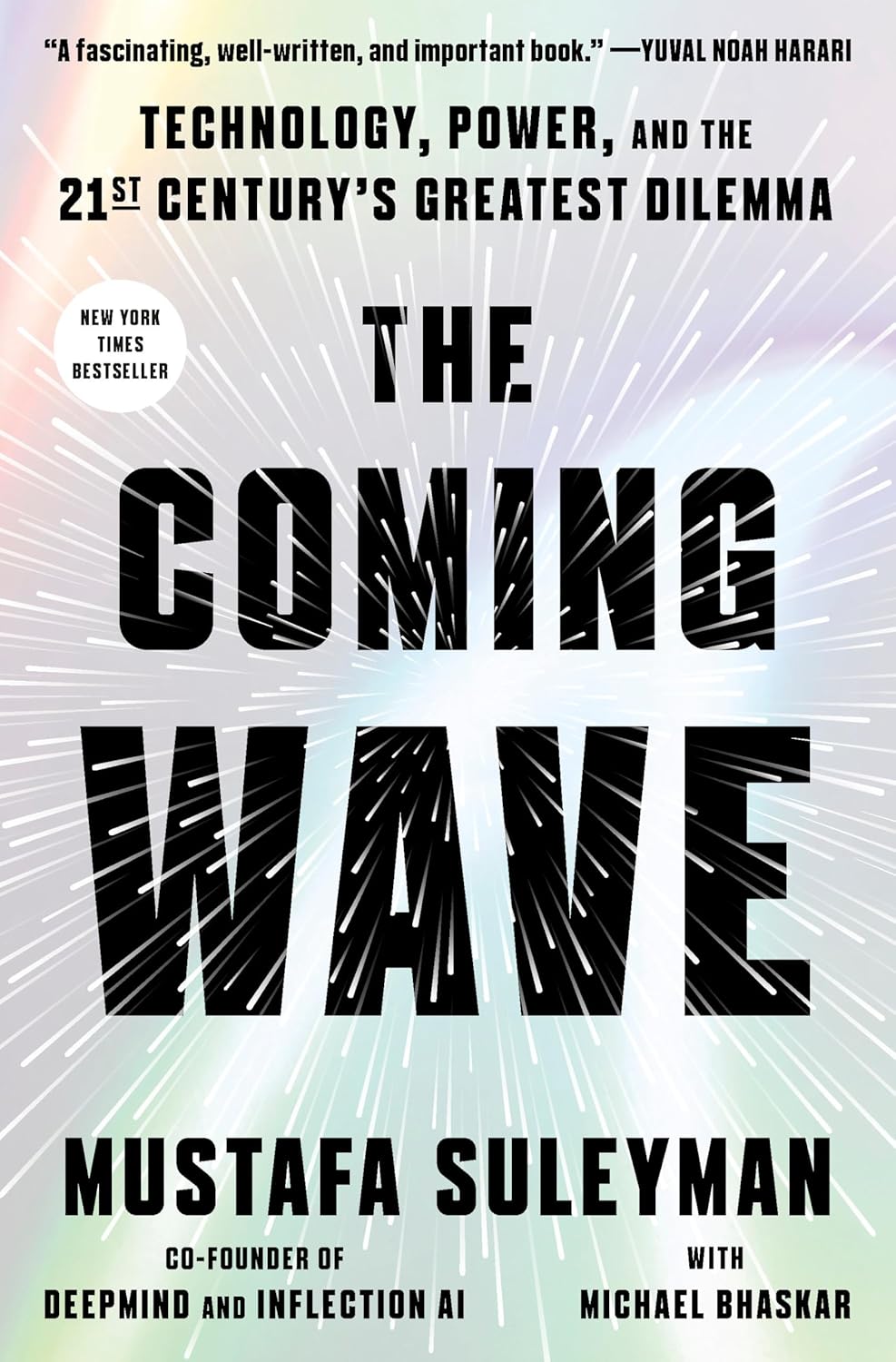
DeepMind co-founder on the dilemma of containing technologies that do not want to be contained.
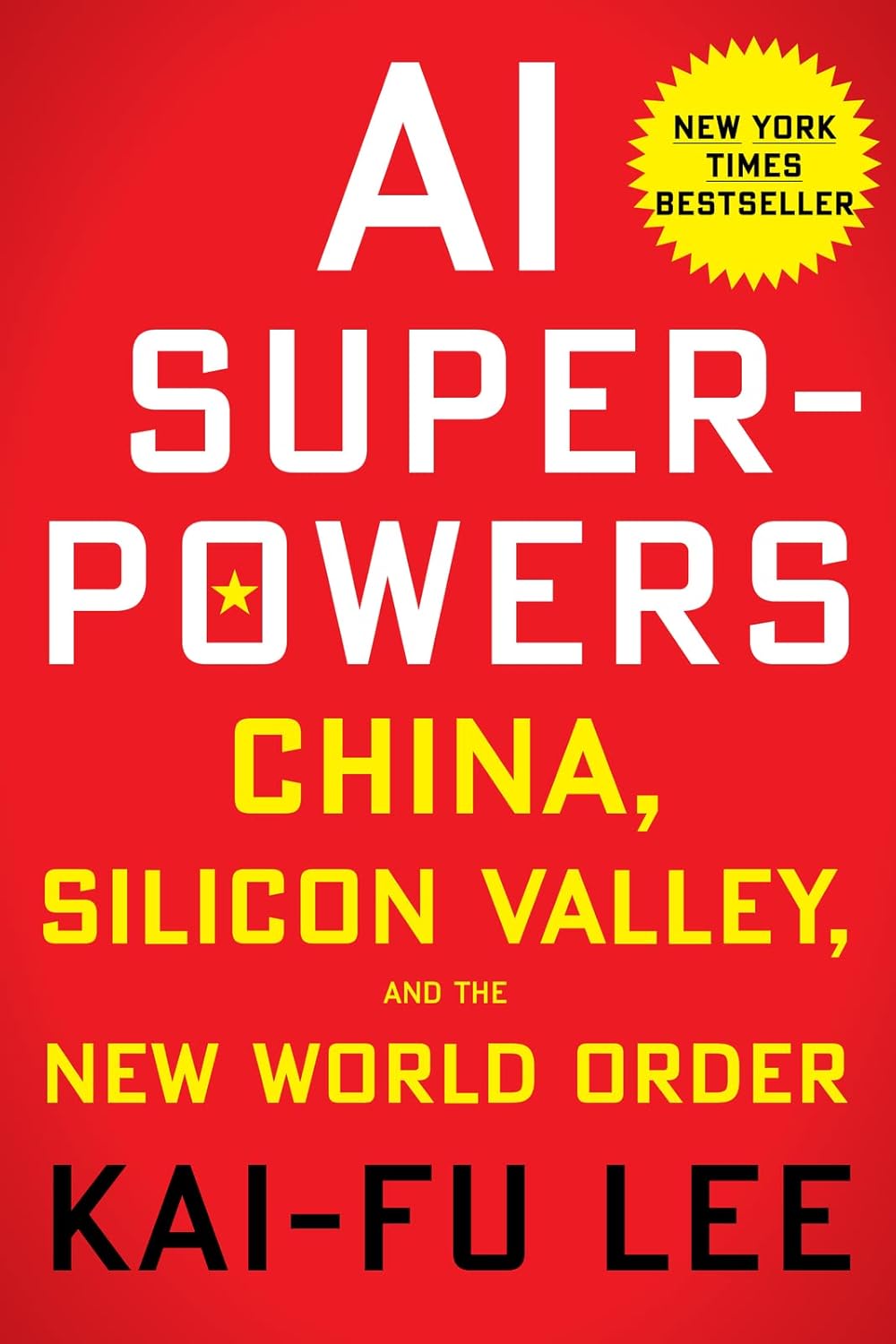
China vs.
As an Amazon Associate, Zendoric earns from qualifying purchases; the price does not change for you. · all our recommended books →
🔗 Related on Zendoric
- Meta's Muse Spark 1.1 beats GPT-5.6 on health at 1/7 the cost — and ships free to 3.56 billion people · 2026-07-27
- GPT-5.6 clears federal review and ships with 'ChatGPT Work' — the agent race is now about distribution · 2026-07-10
- Opus 5 beats Anthropic's own Fable 5 — and the computer-use score is the number that matters · 2026-07-26