A student prototype in Bengaluru points to AI's next frontier: everyday nutrition
🕒 Published on Zendoric: July 4, 2026 · 00:29
✨ AI-generated · how it's made
Students at EPCET (Bengaluru) have created a system that identifies dishes and calculates their nutritional value from a photo, with 90% accuracy in internal tests. It's an academic prototype, not a medical product, but it illustrates where the everyday application of computer vision is heading.
📚 Go deeper
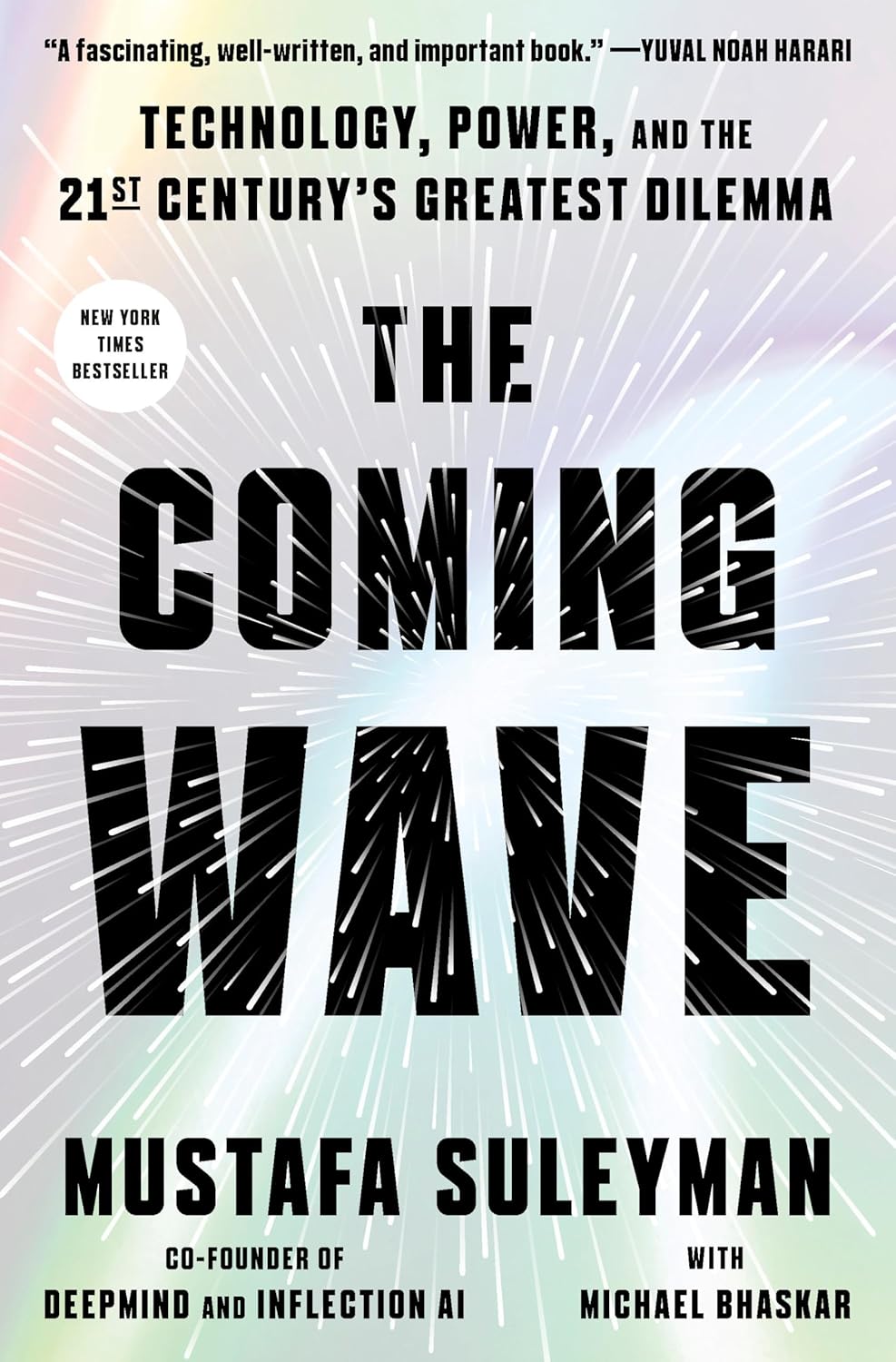
DeepMind co-founder on the dilemma of containing technologies that do not want to be contained.
As an Amazon Associate, Zendoric earns from qualifying purchases; the price does not change for you. · all our recommended books →
By Tripura Star News · July 3, 2026.
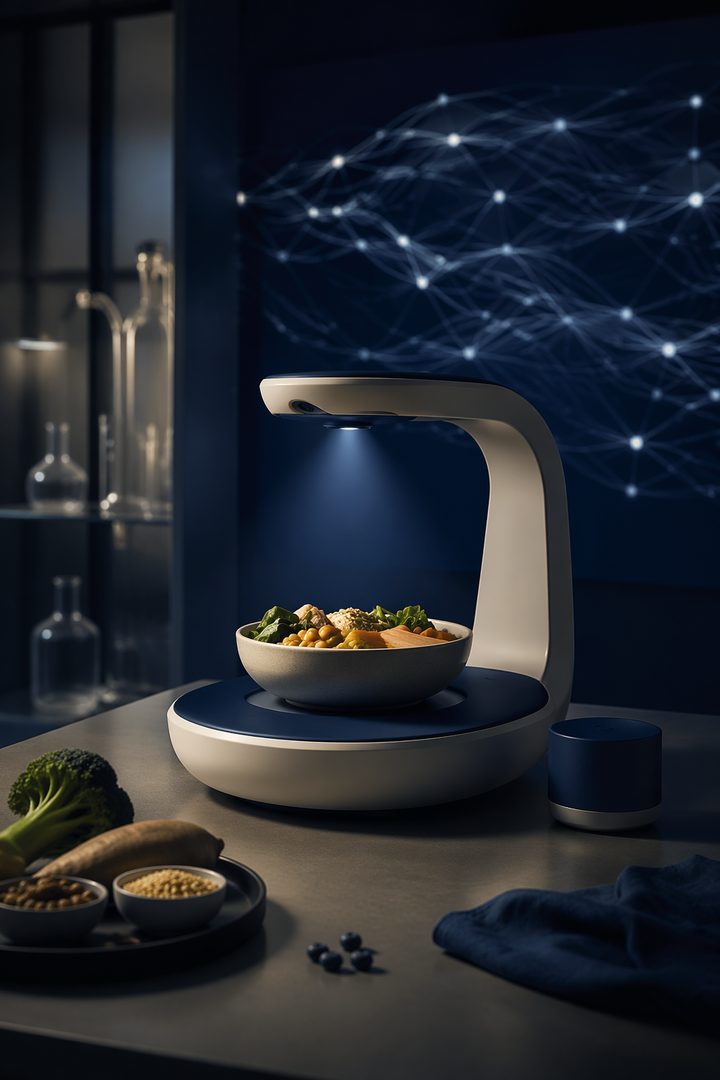
A team of four Computer Engineering students at the East Point College of Engineering & Technology (EPCET), in Bengaluru, has developed a system that combines convolutional neural networks, natural language processing and computer vision to analyze photographs of food and return, in real time, an estimate of calories, macronutrients and the freshness of the food. The project, led by department head Dr. Manimozhi Iyer, was trained on more than 10,000 images of dishes—including regional cuisine—and relies on recognized nutritional databases such as Nutritionix and USDA to refine its estimates. In internal tests, the developers report close to 90% accuracy in identifying dishes and ingredients.
It is worth putting this in proper perspective: it is a final-year project, evaluated in a controlled environment with a small group of students, professors and volunteers, not a clinical trial nor a product validated by a health authority. The authors themselves acknowledge it: the tool is intended for educational and general wellness use, not as a substitute for medical advice, and it would need real-world validation before any deployment for clinical purposes. That nuance matters because the field of image-based nutrition—identifying food and estimating its composition from a photo—is technically demanding: mixed dishes, non-standardized portions and the variability of home or regional cooking are precisely where this type of system tends to fail most, and the team itself points to it as a line for future improvement, along with multilingual support.
What is relevant is not so much the prototype itself—modest in scale and still without clinical validation—as the signal it represents: computer vision applied to everyday life has fallen so far in cost and complexity that today a team of university students can build it with moderate datasets, not just corporate labs with multimillion-dollar budgets. That democratization of capabilities is, ultimately, consistent with the long-term thesis we defend: the more hands—including those of students at institutions outside the traditional Silicon Valley hubs—that can build preventive health tools, the faster access to nutritional monitoring becomes cheaper and more widespread, a key front against chronic diseases such as diabetes or obesity that the authors themselves cite as motivation.
That said, this is where we must be honest about the short term: the proliferation of AI nutrition-counting apps, many of uneven quality and rigor, poses a real risk of user overconfidence in estimates that—however well-intentioned—may be far from the clinical precision needed to manage, for example, type 1 diabetes. The EPCET team itself is transparent about this, and that honesty should be the industry standard, not the exception: too many AI health apps launch onto the market with marketing that suggests medical reliability without having passed the clinical validation that they themselves admit they need. If this kind of academic project evolves with that rigor—testing on diverse populations, auditing biases by type of cuisine and communicating its limits well—we have a small but genuine example of how applied AI, step by step, builds the accessible preventive-health infrastructure that underpins the horizon of abundance and wellbeing we talk about: not grand announcements, but thousands of modest, well-audited tools that make disease prevention everyday and cheap for anyone with a phone.
📚 Go deeper
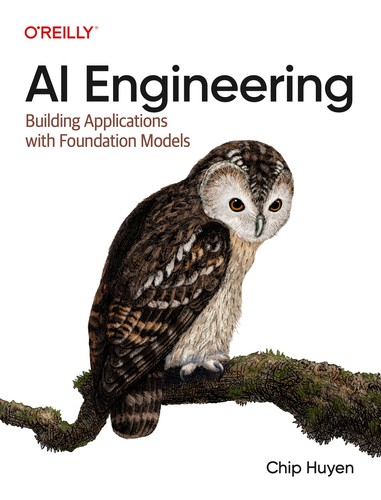
The reference manual for building products on top of AI models: prompts, RAG, fine-tuning, agents, evaluation and deployment.
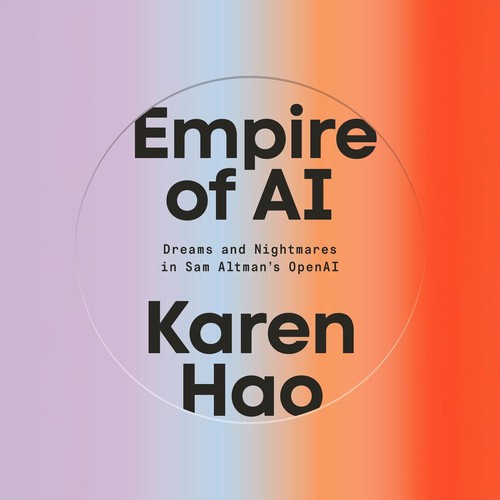
The definitive piece of investigative journalism on OpenAI: 260+ interviews, the clash between safety and speed, and the attempted firing of Sam Altma
As an Amazon Associate, Zendoric earns from qualifying purchases; the price does not change for you. · all our recommended books →
🔗 Related on Zendoric
- ECO-IA: when the classroom replaces the corporate lab at the edge computing frontier · 2026-07-07
- Naira: when AI-powered irrigation reaches a Senegalese village before electric power does · 2026-07-12
- ANU, accused of being 'hysterical' over its anti-AI rules: Australian universities revive the oral exam · 2026-07-19