Naira: when AI-powered irrigation reaches a Senegalese village before electric power does

🕒 Published on Zendoric: July 12, 2026 · 00:14
✨ AI-generated · how it's made
Five vocational-training students from a school in Icod de los Vinos brought Naira to Senegal, an AI irrigation system created in their classrooms, and installed solar panels and electricity in villages without basic infrastructure. It is a small case, but it says a lot about where applied AI can go: not as a lab product, but as a tool that reaches those who have the least.
📚 Go deeper
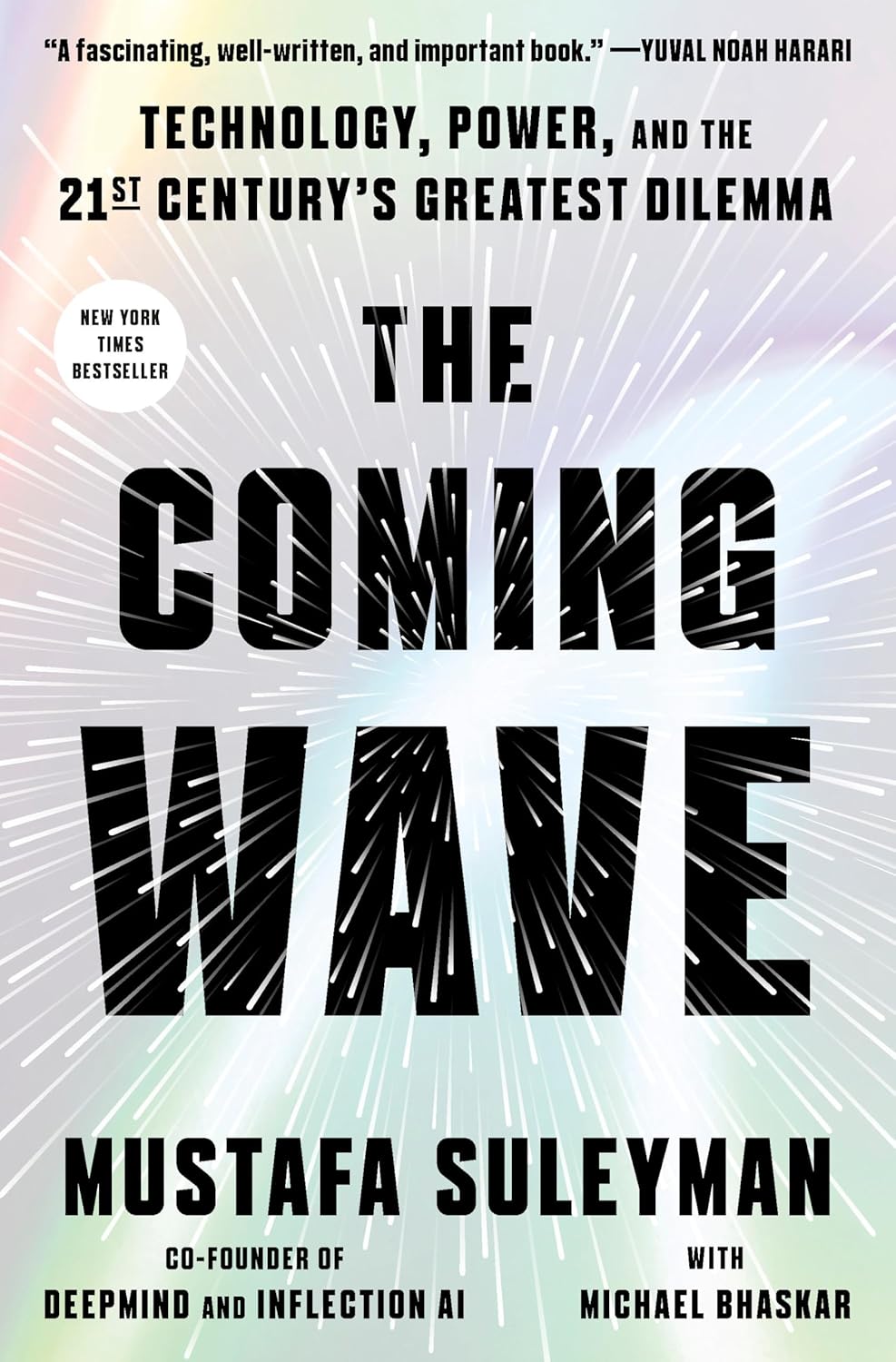
DeepMind co-founder on the dilemma of containing technologies that do not want to be contained.
As an Amazon Associate, Zendoric earns from qualifying purchases; the price does not change for you. · all our recommended books →
By El Día · July 11, 2026. Five students from the advanced vocational program in Electronic and Automated Systems at IES San Marcos, in Icod de los Vinos, together with their teacher Carlos de Arriba, spent 15 days in Senegal installing solar panels, electrical wiring and an automated irrigation system. They did so to test under real-world conditions Naira, a project born in their own classrooms: an artificial intelligence capable of determining, from available data, the optimal humidity and irrigation parameters for any type of crop. The project has involved several schools in the Canary Islands (La Guancha in communications, El Sobradillo and Teguise in agricultural knowledge), the Canary Islands Institute for Agricultural Research, the Tacoronte Agricultural Training School and the University of La Laguna, and it ranked among the 44 best projects in Spain in the CaixaBank Dualiza and FP Empresa call for entries, which funded the trip. In Kayar, Malicounda and Sokone they installed electricity in homes, a school and a Quranic school, tested Naira, set up automated drip irrigation for a cooperative of women farmers and worked side by side with Senegalese vocational students. According to the school, the project has already benefited more than 500 people directly and indirectly and has been renewed for a second year.
The first thing worth saying is what this news item is not: it is not a frontier breakthrough, it does not compete with the models that top the capability comparisons we usually analyze. It is, rather, the other end of AI's value chain, and that is precisely why it is interesting. It is worth noting the contrast that emerges in the story itself: the students installed both the first electricity and the first smart irrigation system on the same trip, in the same village. In that leap—from nothing to a precision-agriculture system in a single move—there is a lesson about how technology is really distributed around the world: not linearly, layer by layer, but in leaps, wherever someone decides to bring it.
Precision agriculture—sensors, data and algorithms that decide how much water to give a crop and when—has for years been the domain of large farms with the capital to invest in it; Naira's value lies not in its technical sophistication, modest compared with what a major agribusiness deploys, but in the fact that it was designed by vocational students with limited resources and has proven it works outside the lab, in a context where water is the scarcest and most contested resource. It is, in miniature, the kind of democratization that underpins our core thesis: AI as a lever for abundance does not depend solely on OpenAI or Anthropic training ever-larger models, but on resource-optimization tools—water, energy, crops—becoming cheaper and reaching those who need them most. When the technology to manage water efficiently ceases to be a luxury for those who can afford it, a real avenue opens up against structural scarcity, which is different from solving poverty but not irrelevant to it.
That said, it is worth not losing sight of what the report itself does not gloss over: the students describe shanties made of sheet metal, families who walk to a well to get water, talibé children who beg and eat once a day, women socially excluded by norms that have nothing to do with technology. No smart irrigation system solves that, and it would be naive to present it as such. The team itself understands this well: installing electricity and testing an irrigation algorithm is a one-off, useful intervention, but a tiny one against the structural shortfalls in infrastructure, healthcare and education that run through these communities. AI does not make up for the lack of running water or a stable power grid; at best, it makes the scant available resource a little more efficient once the basic infrastructure—however rudimentary, like the solar panels installed by the students themselves—is already in place.
What does strike us as significant, beyond the specific case, is the educational model behind it: vocational training as engineering applied to real problems, with students from different islands and vocational fields collaborating, universities and agricultural research centers providing technical support, and a proof of concept validated in the most demanding setting possible, not in a controlled environment. It is a useful counterexample to the image of AI as the exclusive concern of large labs with billions of dollars in computing power: here the development came out of a high school classroom and the validation came from a cooperative of women farmers in Sokone. If the project now achieves the transfer to companies in the sector that its leaders mention, we will have a replicable example of how the abundance AI promises need not wait for the next generation of frontier models: sometimes it starts with a drip irrigation system and a solar battery.
📚 Go deeper
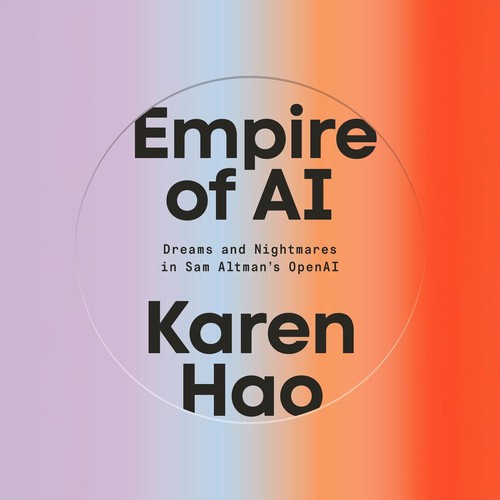
The definitive piece of investigative journalism on OpenAI: 260+ interviews, the clash between safety and speed, and the attempted firing of Sam Altma

AI as the latest chapter in the history of information networks, from gossip to the printing press to the algorithm.
As an Amazon Associate, Zendoric earns from qualifying purchases; the price does not change for you. · all our recommended books →
🔗 Related on Zendoric