The KIDS Act in the mirror: why protecting minors requires age verification and a duty of care, not good intentions

🕒 Published on Zendoric: June 27, 2026 · 09:00
✨ AI-generated · how it's made
The Alliance for a Better Future applauds that the U.S. Congress is taking childhood seriously, but warns that the KIDS Act, as drafted, leaves out the pieces that truly shield minors. A warning worth reading without falling into either alarmism or complacency.
📚 Go deeper

The definitive piece of investigative journalism on OpenAI: 260+ interviews, the clash between safety and speed, and the attempted firing of Sam Altma
As an Amazon Associate, Zendoric earns from qualifying purchases; the price does not change for you. · all our recommended books →
Legislating on digital childhood carries a particular difficulty: the cost of falling short is not measured in quarters, but in generations. That is why the analysis the Alliance for a Better Future (ABF) has made public on the KIDS Act is so pertinent—the proposal moving through the U.S. Congress to protect minors from Big Tech. The organization acknowledges the progress—it values that lawmakers are tackling the problem seriously and that the question of federal primacy has been approached through so-called 'floor preemption'—but its conclusion is clear: the current text is not, in its words, the shield families need.
The four shortcomings ABF identifies strike at the heart of the matter. Without a real 'duty of care,' without age-verification mechanisms, without sufficient safeguards for AI chatbots, and with privacy protection it deems superficial, the law would risk remaining a statement of principles. The organization spells it out: parents should retain control over their children's data until the age of 18. These are demands that, it is worth stressing, align with what child-protection organizations have long been calling for on both sides of the Atlantic.
There is a legal nuance that deserves attention because it often goes unnoticed amid the legislative noise. According to ABF, certain ambiguous wordings could displace state common law and, in doing so, block courtroom victories that some families have secured. For many parents, those rulings are today the only accountability mechanism available. A law designed to protect should not, unintentionally, close the door that was already open.
This statement should be read for what it is: a political stance, not an exhaustive legal opinion—ABF itself points to a one-page document on its website. But the timing gives it weight. The emergence of advanced conversational chatbots has added a new layer to the old debate about social media and adolescent mental health: it is no longer only about what content a minor accesses, but which AI systems they converse with and under what safeguards.
The organization's final argument is perhaps the most interesting for anyone watching the sector with a constructive eye: the United States leads in innovation precisely because it demands responsibility from its industries. Asking Big Tech to play by the same rules as any other sector obligated to keep its users safe is not holding technology back; it is giving it a foundation. Good regulation and good innovation do not compete: they sustain one another. And the challenge now is for Congress to turn intention into mechanism.
📚 Go deeper

AI as the latest chapter in the history of information networks, from gossip to the printing press to the algorithm.
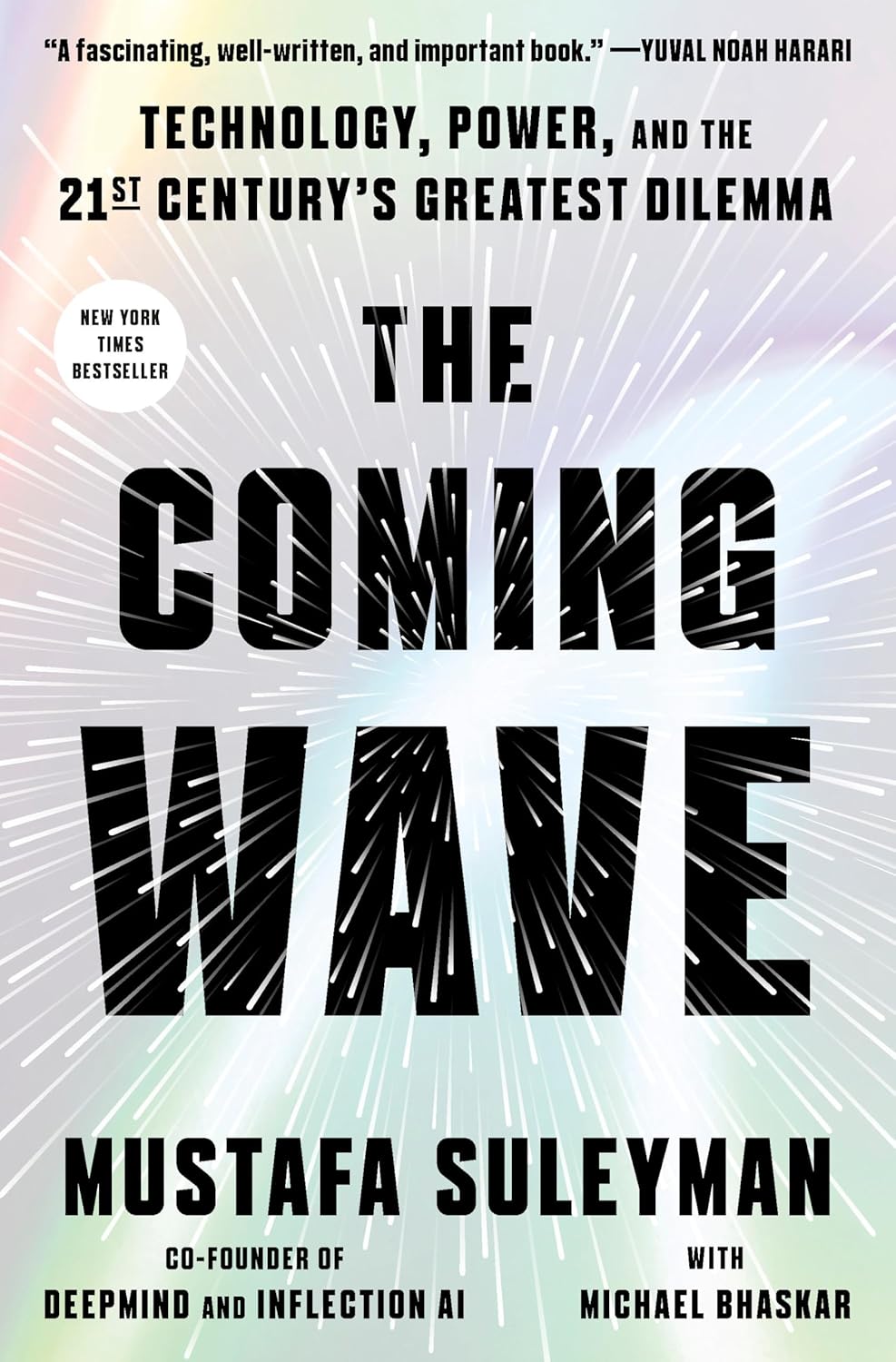
DeepMind co-founder on the dilemma of containing technologies that do not want to be contained.
As an Amazon Associate, Zendoric earns from qualifying purchases; the price does not change for you. · all our recommended books →
🔗 Related on Zendoric
- When 'Chinese AI Could Counter U.S. Military Power' Reads More Like Aspiration Than Capability · 2026-07-01
- Meta's non-invasive brain-to-text jump is real progress — and worth reading carefully · 2026-07-10
- Washington legislates AI piecemeal: childhood cures, chatbots for minors and anti-deepfake labels in the same week · 2026-07-11