Meta's non-invasive brain-to-text jump is real progress — and worth reading carefully

🕒 Published on Zendoric: July 10, 2026 · 00:24
✨ AI-generated · how it's made
Meta says it can now decode brainwaves into text at 68% accuracy without surgery, up from a reported 8%. If it holds up, it's a striking leap — but a single vendor number is a starting point for scrutiny, not a finished verdict.
📚 Go deeper
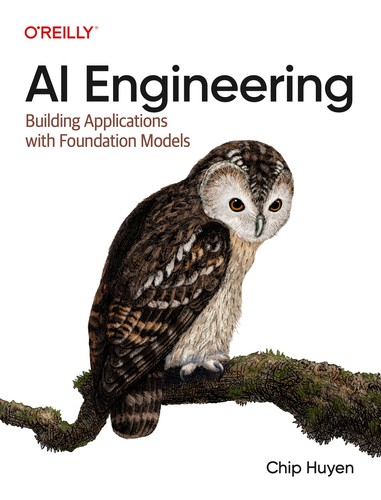
The reference manual for building products on top of AI models: prompts, RAG, fine-tuning, agents, evaluation and deployment.
As an Amazon Associate, Zendoric earns from qualifying purchases; the price does not change for you. · all our recommended books →
Meta has presented a model that reportedly converts brain signals into text at 68% accuracy using non-invasive devices, a large jump from a previous 8%. We only have the short brief here, so we'll be honest about the limits of what we can say: the conditions, vocabulary size, subject count, and how "accuracy" is defined all matter enormously, and none of that is spelled out.
Even with those caveats, the direction is genuinely exciting. Doing this without surgery is the hard part — most impressive brain-decoding results to date have relied on implanted electrodes. A non-invasive path, if it generalizes beyond the lab, is exactly the kind of advance that could restore communication to people who have lost speech through stroke, ALS, or injury.
Our reading: this is the long-term optimism case made concrete — technology that gives people back a fundamental human capability. But we'd distinguish demonstrated capability from headline framing. A jump from 8% to 68% is the sort of number that needs independent replication and peer review before it becomes a product claim, and non-invasive decoding also raises real questions about mental privacy that deserve attention now, not later. Promising signal, early days — we'll watch what survives scrutiny.
📚 Go deeper
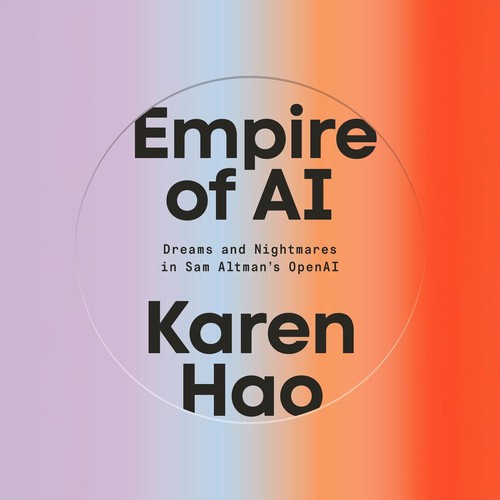
The definitive piece of investigative journalism on OpenAI: 260+ interviews, the clash between safety and speed, and the attempted firing of Sam Altma
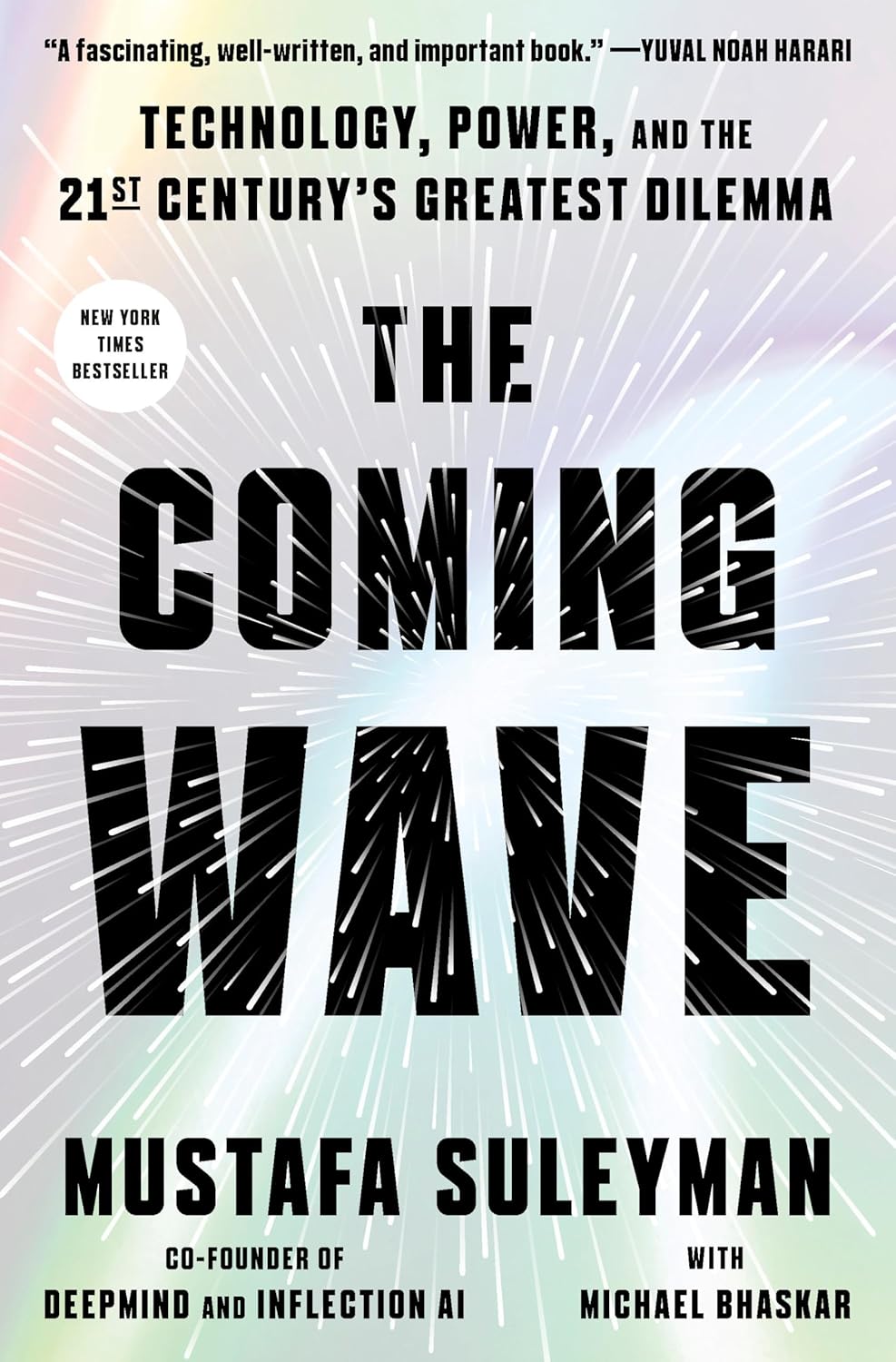
DeepMind co-founder on the dilemma of containing technologies that do not want to be contained.
As an Amazon Associate, Zendoric earns from qualifying purchases; the price does not change for you. · all our recommended books →
🔗 Related on Zendoric
- Meta's non-invasive brain-to-text leaps to 68% — impressive lab feat, not a mind-reader yet · 2026-07-09
- A lawsuit over being denied a frontier AI model marks a turning point: access as a stake worth fighting for · 2026-06-25
- DARPA's 100,000-agent swarm bets on decentralized AI — the hard problem is control, not scale · 2026-07-17