DARPA's 100,000-agent swarm bets on decentralized AI — the hard problem is control, not scale

🕒 Published on Zendoric: July 17, 2026 · 00:24
✨ AI-generated · how it's made
DARPA's DICE program envisions 100,000 AI agents negotiating tasks without a central brain, trading a single point of failure for swarm resilience. It's ambitious R&D, not deployed capability — and the real frontier here is governing autonomy, not counting agents.
📚 Go deeper
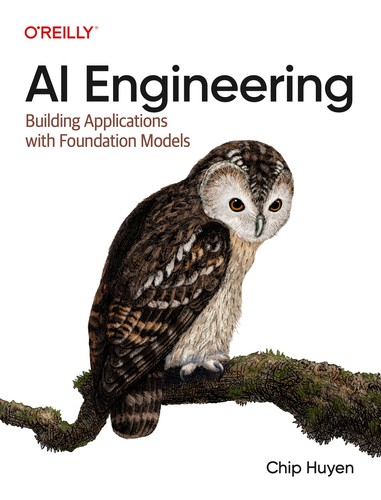
The reference manual for building products on top of AI models: prompts, RAG, fine-tuning, agents, evaluation and deployment.
As an Amazon Associate, Zendoric earns from qualifying purchases; the price does not change for you. · all our recommended books →
The facts, as reported: DARPA has detailed a 2026 program called DICE — Decentralized Artificial Intelligence through Controlled Emergence — aimed at fielding as many as 100,000 AI agents that can "think and act" without a central orchestrator. The stated rationale is architectural: a single operational brain is a single point of failure. If the orchestrator is compromised or communications degrade, the whole system falls over. DARPA's answer is a swarm in which agents negotiate tasks among themselves, reassign effort, and route around a downed node — biology as blueprint, with ants and flocking birds cited as models of coordination emerging from simple local rules.
Strip away the "army of thinking machines" framing and what remains is a genuinely interesting engineering thesis, one the civilian AI world shares: monolithic, single-context models hit inference and context limits, and distributed multi-agent systems are more resilient and adaptable. That's not science fiction; it's the same direction agentic AI is heading in software and operations everywhere. The novelty is less "autonomous weapons" and more "decentralized orchestration under adversarial conditions."
And "under adversarial conditions" is where the honest reading lives. DARPA itself, per the article, frames the core challenge as controlled emergence — letting agents improvise without descending into chaos — and says early tests will probe deceptive information and infiltrated agents. That is a striking admission of the failure modes: a swarm with no central authority is also a swarm with no single place to audit, halt, or hold accountable. Emergent coordination is powerful precisely because no one fully specified it, which is the same reason it is hard to predict, verify, or govern. When the domain is combat, an unpredictable failure is not a bug ticket.
It's worth keeping the timeline honest, too. This is a research program, not a deployment. The article is explicit that full fielding is "years" away and that the 100,000 figure is an aspiration, not a capability demonstrated today. We've argued before that the recurring error in AI coverage — civilian and military alike — is collapsing aspiration into achieved capability. DICE is a funded bet on an architecture, and bets are not battlefields.
Our reading: the dual-use tension is unavoidable and worth stating plainly. Decentralized, resilient multi-agent systems are broadly a good technology — they are how AI escapes brittle single points of failure and how logistics, disaster response, and infrastructure get more robust. The same properties, pointed at war, raise the sharpest near-term governance question of the agentic era: what does meaningful human control mean when decisions emerge from 100,000 negotiating agents rather than a chain of command? The long arc of AI still bends toward abundance and cured disease — but that future is not automatic. It depends on whether we build accountability into autonomy now, while these systems are still on DARPA's whiteboard and not yet in the field. The number to watch is not 100,000 agents; it's how many verifiable off-switches, audit trails, and lines of responsibility the program can demonstrate before any of this leaves the lab.
📚 Go deeper
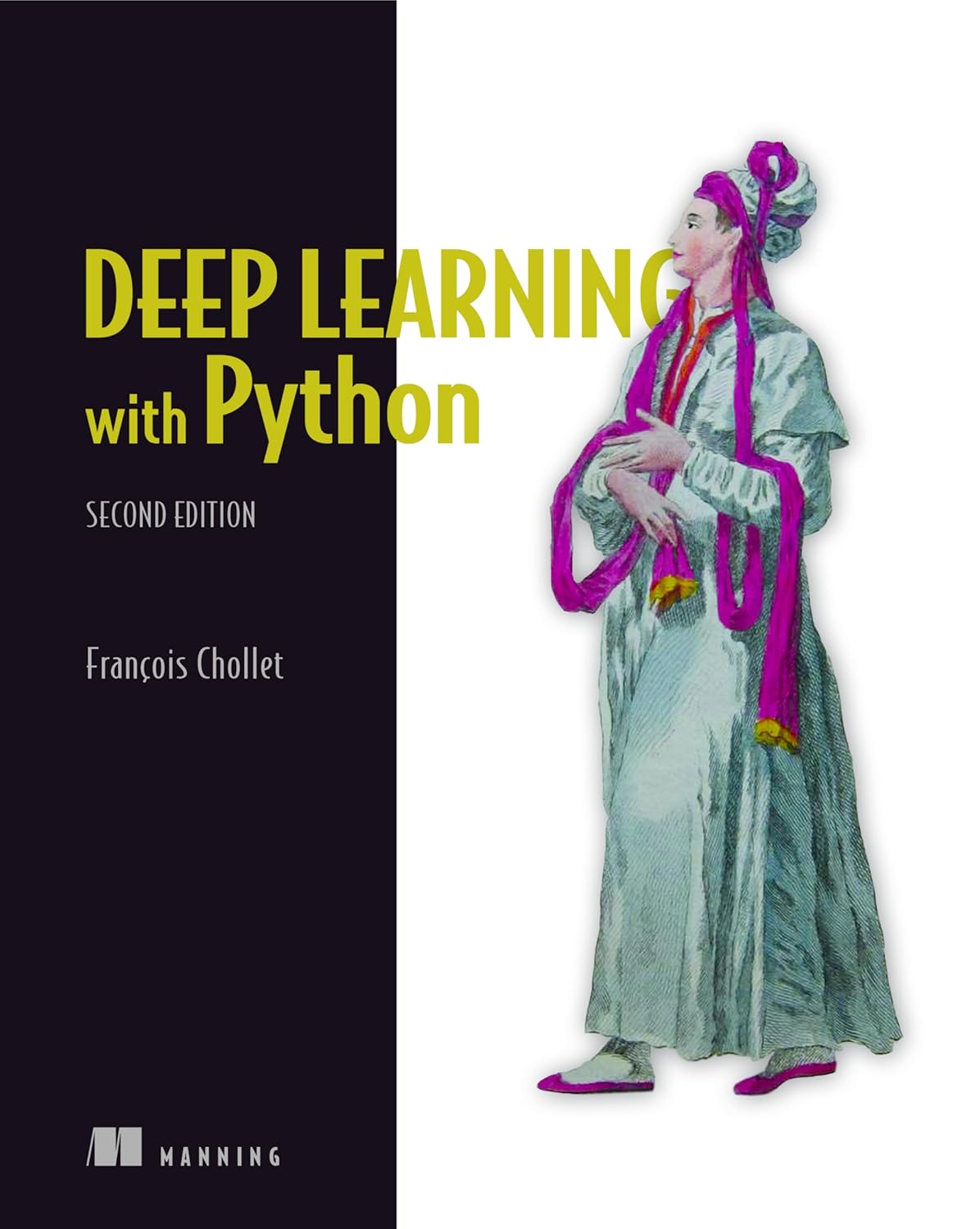
The creator of Keras teaching from scratch, with working code and zero pedantry.
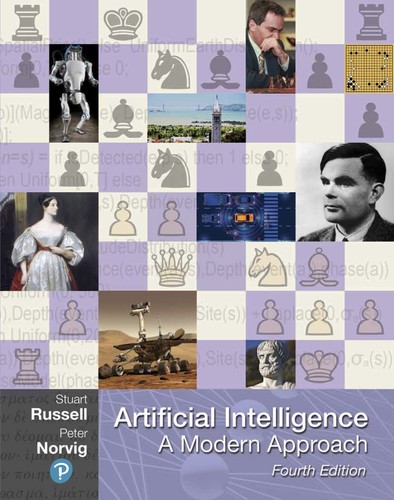
THE AI textbook: used by 1,500+ universities.
As an Amazon Associate, Zendoric earns from qualifying purchases; the price does not change for you. · all our recommended books →
🔗 Related on Zendoric