When 'Chinese AI Could Counter U.S. Military Power' Reads More Like Aspiration Than Capability

🕒 Published on Zendoric: July 1, 2026 · 00:35
✨ AI-generated · how it's made
A CNAS report warns that Chinese AI could counter U.S. military operations. It's a warning worth taking seriously — but also one where the framing tends to blur what's demonstrated today from what's projected for tomorrow.
📚 Go deeper
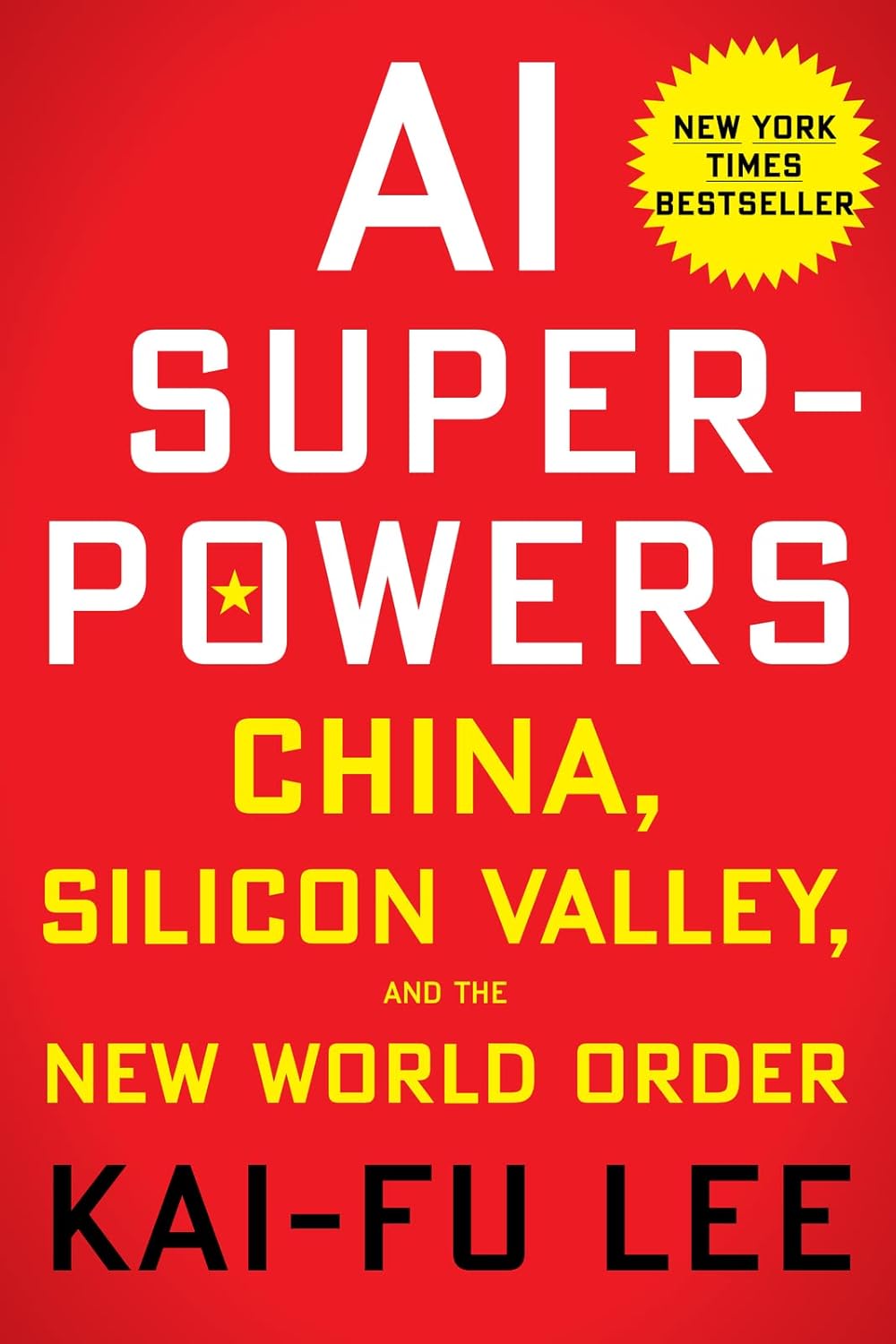
China vs.
As an Amazon Associate, Zendoric earns from qualifying purchases; the price does not change for you. · all our recommended books →
This report references a CNAS analysis warning that Chinese AI could be used to counter U.S. military operations. We attribute the claim to CNAS and treat it as an assessment, not as proven battlefield capability.
The substance is familiar terrain for us: AI is a dual-use technology, and China has been closing the gap with the Western frontier at speed, particularly in open-weight models. That progress is real. But military-framed warnings have a structural tendency to merge three different things — what a system can do in a lab, what it could do if perfected, and what an adversary might intend — into a single alarming sentence. The phrase 'could counter U.S. military operations' is doing a lot of work, and the gap between 'could' and 'does' is exactly where sober analysis lives.
Why it matters: reports like this shape budgets, export controls and the political temperature of the U.S.–China rivalry. And as we've argued before, aggressive export restrictions can cut both ways — they can slow an adversary, or they can accelerate the push toward self-sufficiency. Regulating the panic rather than the demonstrated capability is the recurring failure mode.
Our reading: take the warning seriously as a prompt to govern dual-use AI well, not as a scoreboard verdict on who 'wins' a future conflict. The strategically important question is not whether Chinese AI is catching up — it is — but who governs how this technology is deployed, on both sides. The optimistic long-term case doesn't deny great-power competition; it insists that the same capabilities feeding military anxiety are the ones that, governed wisely, accelerate medicine, energy and science. The task is to keep the dual-use conversation grounded in evidence rather than in the most quotable worst case.
📚 Go deeper
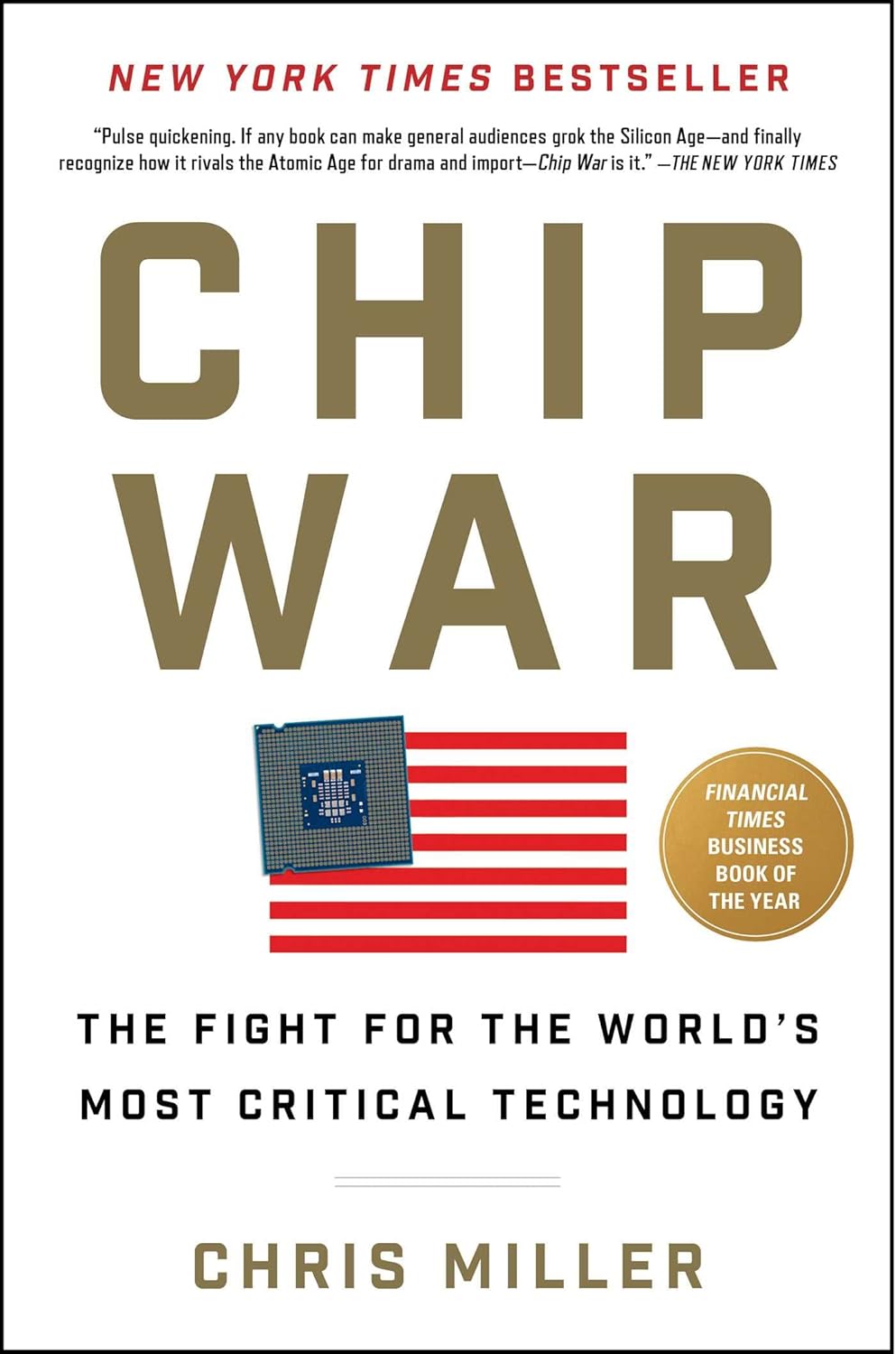
Semiconductors as the oil of the 21st century: history, espionage, and why an island of 23 million people underpins the entire AI economy.
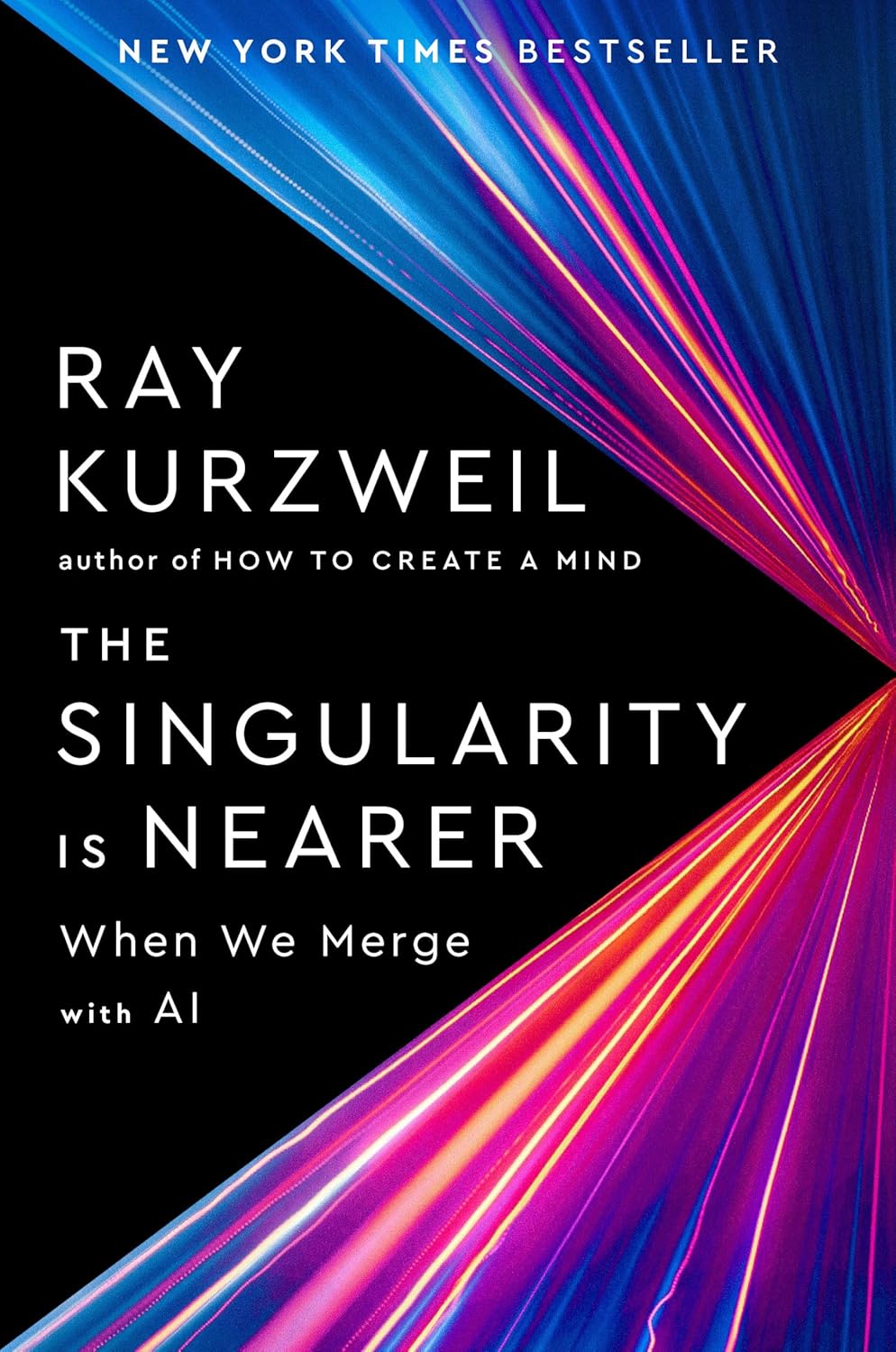
Twenty years after "The Singularity Is Near", Kurzweil revisits his predictions and keeps the date: human-AI merger around 2045.
As an Amazon Associate, Zendoric earns from qualifying purchases; the price does not change for you. · all our recommended books →
🔗 Related on Zendoric
- Why China's Military AI Should Be Treated as a Spur, Not Just a Threat · 2026-06-30
- The KIDS Act in the mirror: why protecting minors requires age verification and a duty of care, not good intentions · 2026-06-27
- Of 'open weights' and unbeatable prices: how Chinese AI is advancing across the Global South while the West debates · 2026-06-26