The Pentagon formalizes more AI in combat decisions, and the market is already positioning itself

🕒 Published on Zendoric: June 26, 2026 · 09:00
✨ AI-generated · how it's made
According to Bloomberg, the U.S. Department of Defense has revised its classified doctrine to give AI a more active role in target selection. Responsibility remains human on paper; the question is whether it can be exercised at machine speed.
📚 Go deeper

The reference manual for building products on top of AI models: prompts, RAG, fine-tuning, agents, evaluation and deployment.
As an Amazon Associate, Zendoric earns from qualifying purchases; the price does not change for you. · all our recommended books →
The news, first reported by Bloomberg and picked up by Seeking Alpha on June 25, 2026, marks a turning point: the United States Department of Defense has reportedly revised its classified targeting doctrine to explicitly incorporate a more active role for artificial intelligence in combat decisions. The details remain classified, so this works with what the source disclosed, not the full text. The central nuance that does come through is that the doctrine does not relinquish human responsibility —commanders remain legally responsible for the use of force enabled by AI—, but it widens the margin within which autonomous systems can recommend and operate.
The market read the signal immediately. Seeking Alpha points to three aerospace and defense sector ETFs as directly exposed vehicles: the Invesco Aerospace & Defense (PPA), the iShares U.S. Aerospace & Defense (ITA) and the SPDR S&P Aerospace & Defense (XAR). According to the article's own 'Quick Insights', the new doctrine points to greater long-term demand for AI systems, with three beneficiaries: traditional contractors that accelerate their shift toward autonomous platforms, developers of secure AI software for military environments and cloud providers with government certification to run classified models.
The move does not arise in a vacuum. Programs such as JADC2 (Joint All-Domain Command and Control) have long been geared toward linking sensors, weapons and command through real-time AI networks. On that board, the article identifies four areas with room to grow —auditable models, autonomous platforms, reconnaissance sensors and decision-support software— and, as sector context, places players such as Palantir, Anduril (not yet publicly traded), Shield AI or L3Harris alongside the major contractors (Lockheed Martin, RTX, Northrop Grumman, General Dynamics), whose transformation toward software is more gradual.
The underlying tension is one of design, not marketing. If a system recommends or executes an action in milliseconds, how is the human responsibility that the doctrine maintains on paper exercised in practice? Seen from the perspective of agentic AI, the question is serious: advanced targeting systems are not mere image classifiers, but agents that integrate sensors, evaluate options and prioritize targets. The Pentagon formalizing this turns explainability, robust interruption mechanisms and traceability of the chain of command into contractual requirements, not academic debates.
On the international stage, the discussion over lethal autonomous weapons (LAWS) has been at the United Nations for years without a binding treaty, and this stance could reignite it, as well as pressure more cautious European allies. Although this is a sovereign U.S. decision outside the AI Act, the precedent may influence how the EU regulates exports of dual-use technology. The business opportunity is evident; the sector's maturity will be measured by whether technical reliability advances at the same pace as the budget.
📚 Go deeper

The definitive piece of investigative journalism on OpenAI: 260+ interviews, the clash between safety and speed, and the attempted firing of Sam Altma
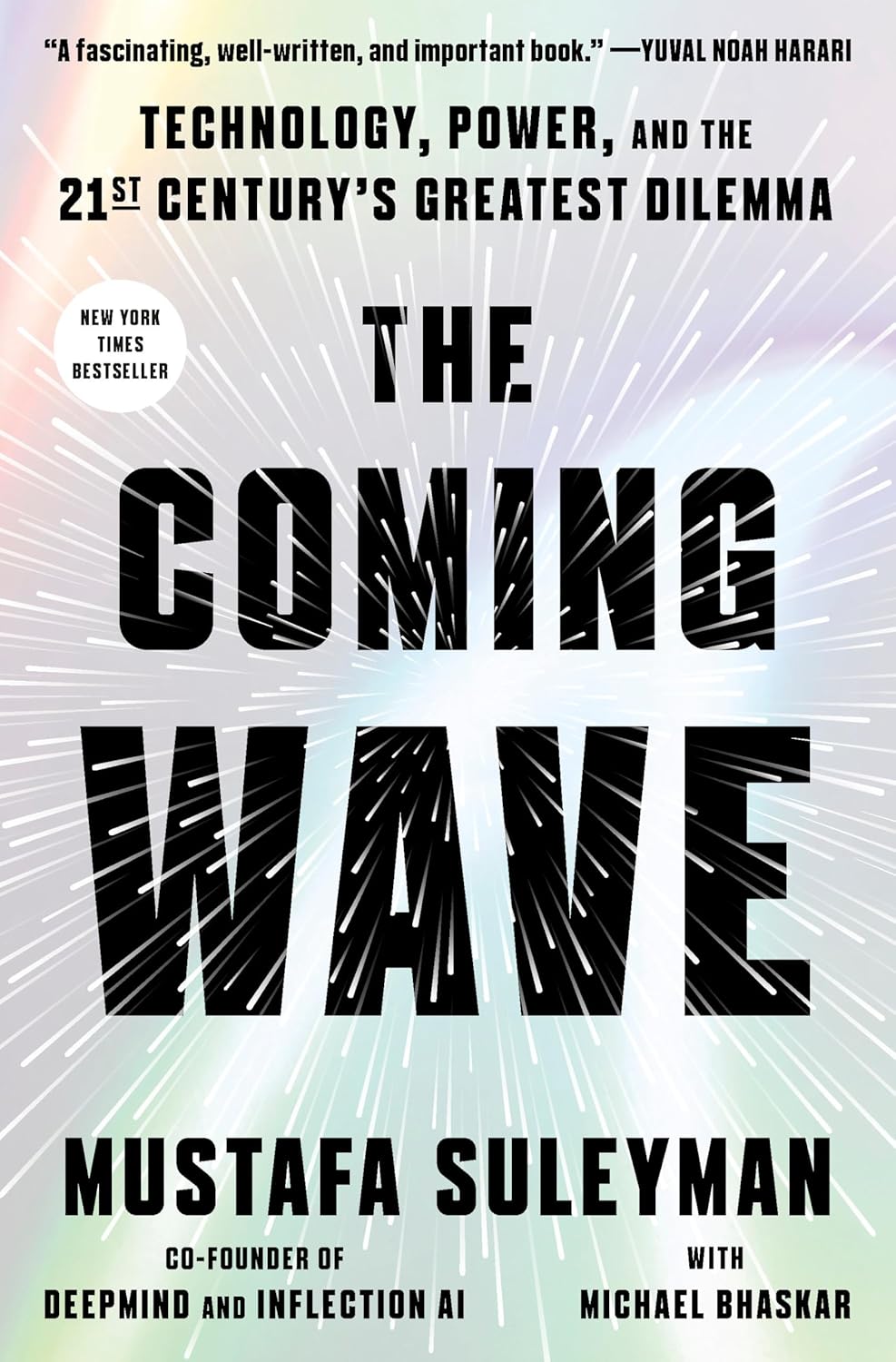
DeepMind co-founder on the dilemma of containing technologies that do not want to be contained.
As an Amazon Associate, Zendoric earns from qualifying purchases; the price does not change for you. · all our recommended books →
🔗 Related on Zendoric
- Coinbase lets its AI agents get paid in USDC without human intervention: the plumbing of machine money starts to be built · 2026-07-24
- CISA audits its own code with Anthropic's AI while the White House remains at odds with the company · 2026-07-07
- Moderna bets on mRNA 2.0: cancer, autoimmunity, and an AI that designs drugs without humans between cycles · 2026-07-08