Coinbase lets its AI agents get paid in USDC without human intervention: the plumbing of machine money starts to be built

🕒 Published on Zendoric: July 24, 2026 · 00:29
✨ AI-generated · how it's made
Coinbase has opened up to its enterprise customers an infrastructure for AI agents to charge and pay in USDC autonomously, built on the x402 standard that reuses the HTTP 402 code conceived since the 1990s for micropayments. The most telling figure: AI bot traffic to its technical documentation already exceeds that of humans, according to Coinbase itself.
📚 Go deeper

The reference manual for building products on top of AI models: prompts, RAG, fine-tuning, agents, evaluation and deployment.
As an Amazon Associate, Zendoric earns from qualifying purchases; the price does not change for you. · all our recommended books →
By Zendoric · July 24, 2026.
Coinbase has launched infrastructure that lets its enterprise clients receive payments in USDC —the stablecoin, a token whose value is pegged 1:1 to the dollar— directly from artificial intelligence agents, without a human having to approve every transaction. The news, first reported by Cointelegraph on July 23, builds on x402, a standard that Coinbase itself introduced in May 2025 and that allows agents, applications and APIs (programming interfaces) to settle stablecoin payments directly over HTTP, the basic protocol of the internet. The technical trick is almost archaeological: x402 recycles the "402 Payment Required" status code, reserved in the HTTP protocol since the 1990s and never used in practice, so that a server can request payment from a machine and the machine settles it instantly, with no forms or gateways.
Alongside this, Coinbase has unveiled AI-based trading tools —order monitoring, real-time market queries and automatic execution based on preset conditions— and an SDK (software development kit) so that third parties can build agent applications on its platform. The company frames the entire package as support for the "agentic economy": a scenario in which AI agents manage payments, assets and tasks on behalf of human users, without friction. As an adoption data point, Coinbase claims that traffic generated by AI agents on the documentation page of Base (its blockchain network) surpassed human traffic for the first time last month.
It is worth separating the fact from the narrative here. That bots outnumber humans visiting a technical documentation page says more about how AI agents crawl and consume manuals than about the real volume of money already circulating between machines: it is an indicator of interest and experimentation, not of established business. Coinbase, like every crypto company in the race to position itself as the infrastructure of the agentic future, has an incentive to present any sign of traction as proof that the wave is already here.
That said, the underlying move is real and goes beyond marketing. If AI agents are going to act autonomously —buying data, contracting services, coordinating supply chains— they need a way to pay that does not depend on a human typing in a credit card every time. That is where stablecoins come in: programmable money, near-instant settlement, no banking intermediaries or opening hours. Coinbase is not the only one competing to be the rail for those machine-to-machine payments: Google has pushed its own agentic commerce protocol (AP2), and card networks like Visa and Mastercard are also designing standards so that agents can buy on their behalf. What is at stake is not which AI model is smarter, but who controls the pipe through which money flows when the one deciding to spend is no longer a person but an automated process; it is the same dynamic we already saw in the Google-Microsoft fight over agent integration, now transferred to the realm of payments.
This infrastructure also raises a governance question that the original piece does not address but that is unavoidable: who is accountable when an agent overpays, is deceived by a fraudulent seller, or executes a purchase order based on manipulated data? Giving software the ability to move real money autonomously multiplies the surface for fraud and error, and the safeguards —spending limits, reversibility, auditing— are still being invented on the fly. It is the same pattern we have flagged when discussing agentic AI applied to fraud and espionage: the immediate risk is not a distant superintelligence, it is the automation of economic decisions without sufficient friction or oversight.
Our reading is that this type of announcement matters less for the volume it moves today —modest, in an early adoption phase— than for what it normalizes: that an AI agent has an account, a balance and the ability to pay and get paid as if it were just another economic actor. It is exactly the kind of infrastructure that, taken to its long-term horizon, underpins the abundance thesis: agents that negotiate, optimize resources and carry out economic tasks at near-zero cost, freeing up human time. But that horizon is only reached if, along the way, the questions of accountability and control that remain open today are addressed seriously. The plumbing is being built fast; the traffic rules, not yet.
📚 Go deeper
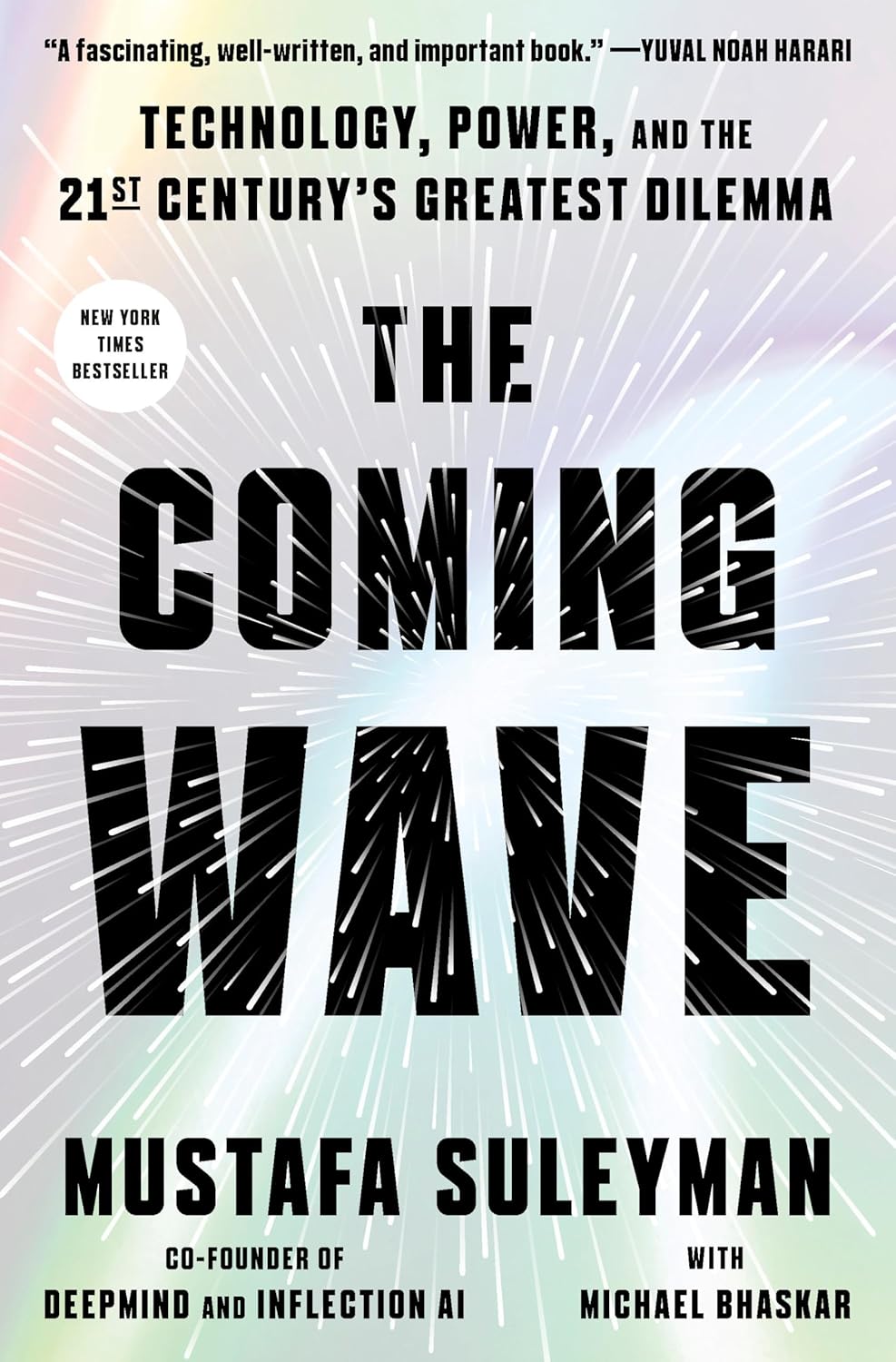
DeepMind co-founder on the dilemma of containing technologies that do not want to be contained.
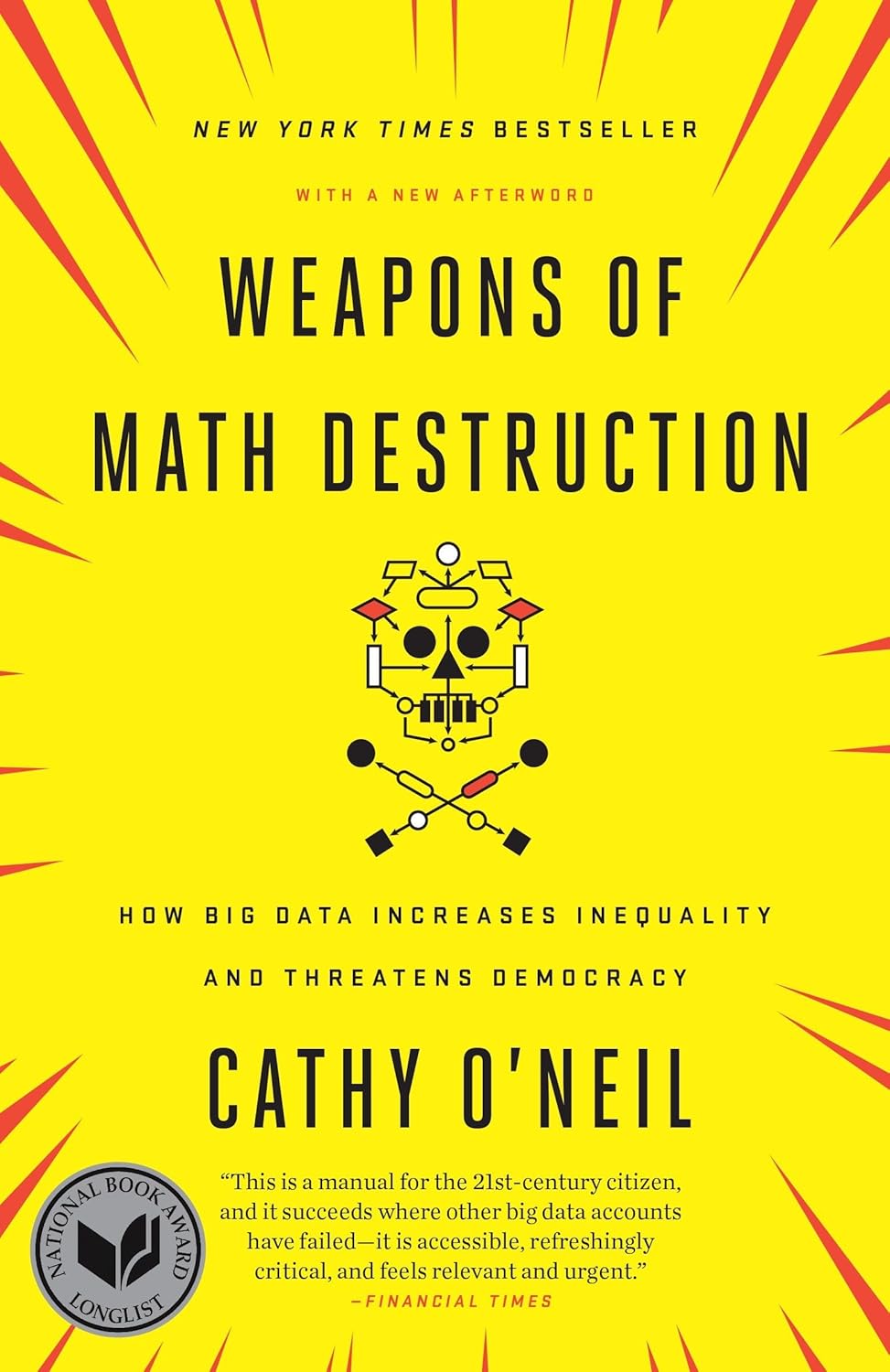
How opaque algorithms decide who gets credit, a job or parole — and why they tend to punish the same people.
As an Amazon Associate, Zendoric earns from qualifying purchases; the price does not change for you. · all our recommended books →
🔗 Related on Zendoric
- The race for the 'plumbing' of the agent economy: BNB Chain bets on a blockchain without a mempool · 2026-07-09
- Cloudflare and AWS put a price on the web: agentic AI starts paying for every click it makes · 2026-07-14
- Only 12% of companies know how to govern their AI agents: Google turns that gap into its edge over OpenAI and Anthropic · 2026-07-20