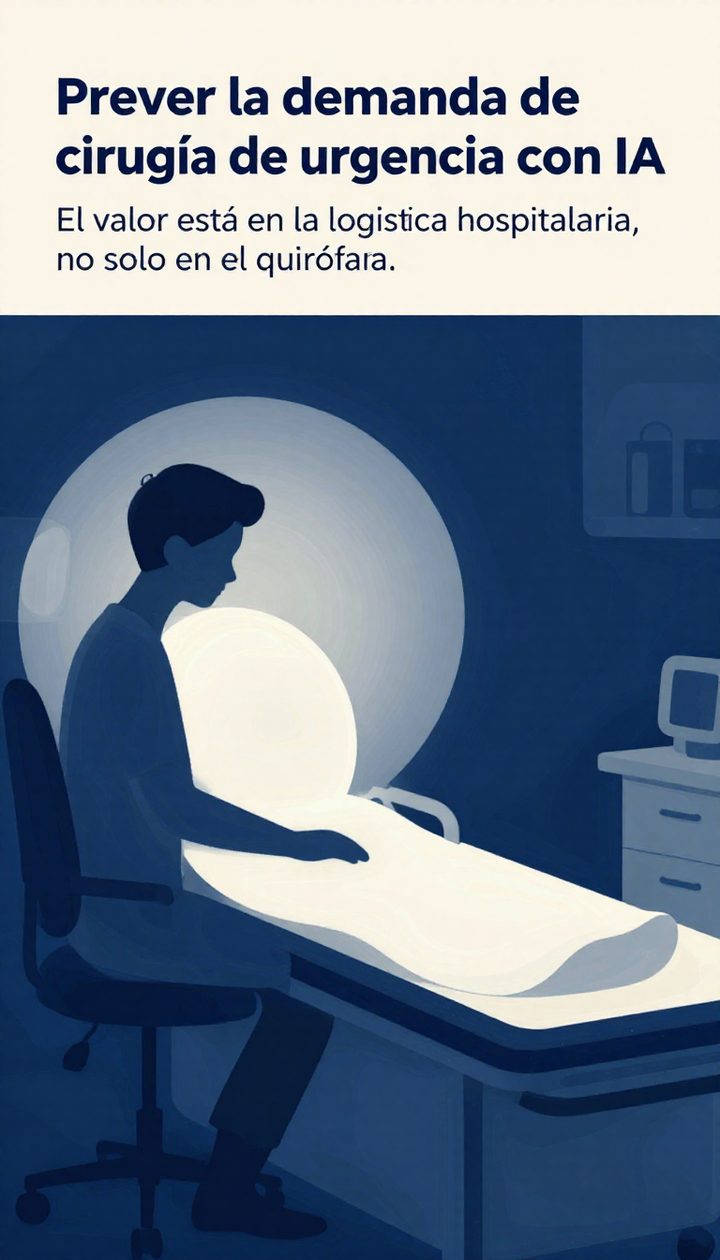
Forecasting emergency surgery demand with AI: the value lies in hospital logistics, not just the operating room
🕒 Published on Zendoric: November 3, 2026 · 00:06
✨ AI-generated · how it's made
The Ontario Hospital Association reports on AI models that help forecast demand for emergency surgery. It's unglamorous AI, but among the kind that can most ease pressure on hospitals.
📚 Go deeper
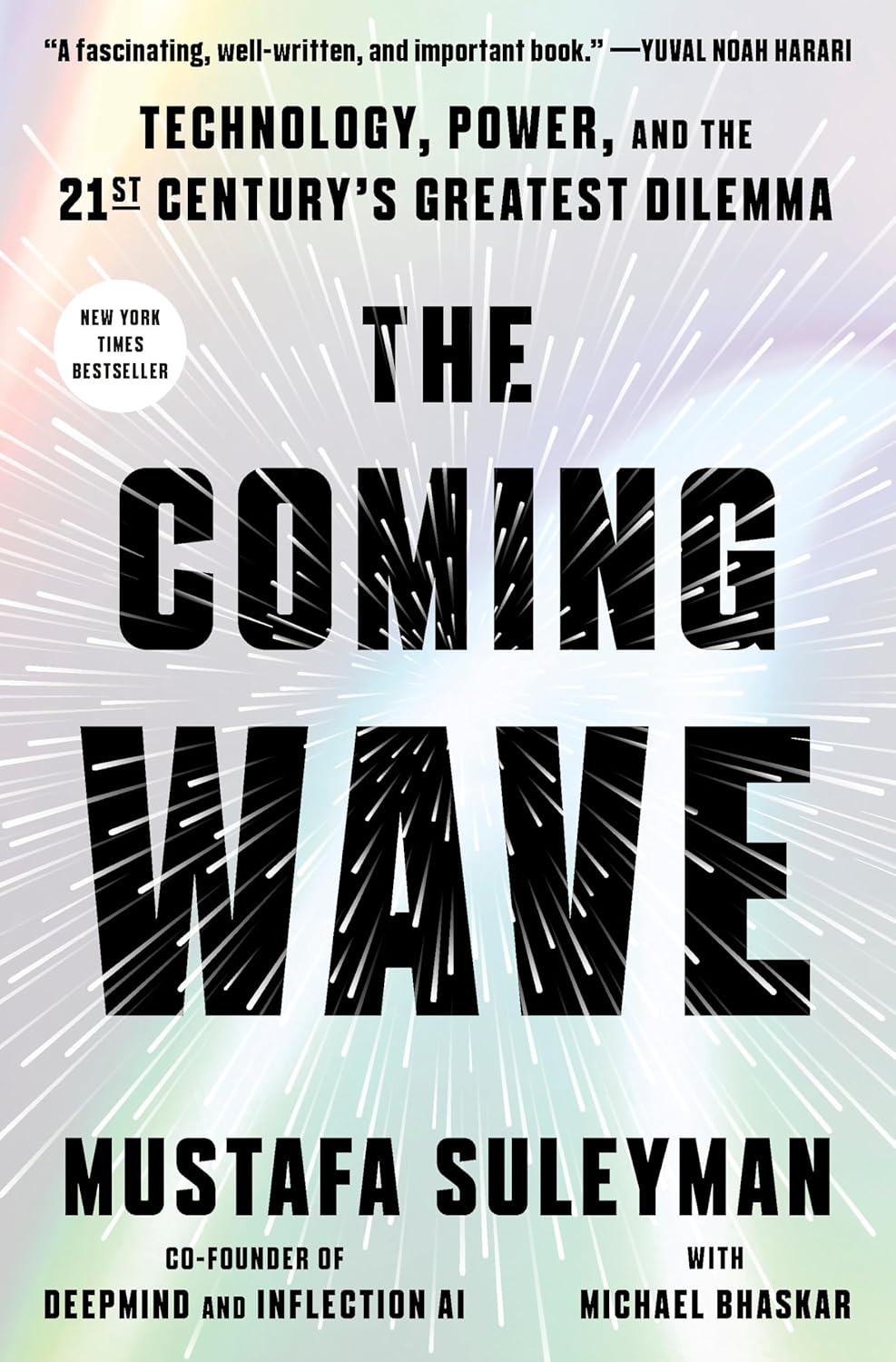
DeepMind co-founder on the dilemma of containing technologies that do not want to be contained.
As an Amazon Associate, Zendoric earns from qualifying purchases; the price does not change for you. · all our recommended books →
By Ontario Hospital Association · November 2, 2026.
The Ontario Hospital Association (OHA), the organization representing hospitals in the Canadian province, reports in its health system news section that artificial intelligence models are helping to forecast demand for emergency surgery. We only have the headline and a very short description. We do not have the article text, so we cannot confirm which hospitals are involved, what data the models use or how accurate they are.
That is why caution is warranted. We do not know whether this is a pilot, a production deployment or a research result. Nor do we know whether there are measured improvements in wait times or operating room use. Any figure would be made up.
Our take is different, and it rests on the kind of problem involved. Emergency surgery is generally hard to plan because cases arrive without warning. Hospitals usually deal with this by keeping spare capacity in operating rooms and staff, which is expensive, or by improvising, which is risky. A demand forecasting model does not operate on anyone. It helps decide how many teams and which rooms to have available. This is AI as a management tool, not as a substitute for clinical judgment.
We believe this is where healthcare AI delivers value sooner and with less risk. A forecasting error results in an operating room that is poorly sized, not a wrong diagnosis, and there is always a human making the decision. In the short term, it does not solve staff or bed shortages, and it should not be sold as if it did. In the long term, however, it is part of the foundation of a healthcare system that makes better use of its scarce resources, a modest step toward the abundance of care that we champion as a goal.
What remains is what this case should be held to: published results, comparison with standard planning and transparency about the patient data used. Until we see them, this is a promising sign, not proof.
📚 Go deeper

AI as the latest chapter in the history of information networks, from gossip to the printing press to the algorithm.

The best starting book if you're not technical: a Wharton professor explains how to work WITH AI — when to delegate, when to supervise, when to keep i
As an Amazon Associate, Zendoric earns from qualifying purchases; the price does not change for you. · all our recommended books →
🔗 Related on Zendoric