Samsung's profits surge 1,800% driven by demand for AI memory chips

🕒 Published on Zendoric: July 8, 2026 · 09:15
✨ AI-generated · how it's made
Samsung Electronics has announced a profit forecast pointing to an operating profit of 89.4 trillion won (about $58.4 billion) between April and June, representing an increase of roughly 19 times over the same period the previous year, that is, a jump of 1,800%.
📚 Go deeper
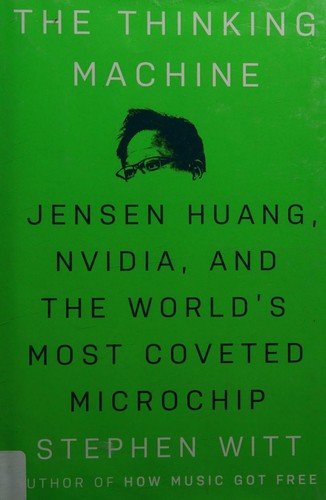
The story of NVIDIA and Jensen Huang: how a video-game card company ended up making the most coveted resource on the planet.
As an Amazon Associate, Zendoric earns from qualifying purchases; the price does not change for you. · all our recommended books →
Samsung Electronics has announced a profit forecast pointing to an operating profit of 89.4 trillion won (about $58.4 billion) between April and June, representing an increase of roughly 19 times compared to the same period last year, that is, a jump of 1,800%. This marks the third consecutive quarter of record operating profits for the South Korean company, which also reported sales of 171 trillion won, more than double the figure from a year earlier.
The engine behind this explosive growth is global demand for memory chips destined for artificial intelligence infrastructure. Samsung is one of the world's largest semiconductor manufacturers, producing chips both for its own line of electronic devices and for clients such as Nvidia and Google. Supply shortages amid runaway demand have allowed the company to raise the prices of its memory chips, capturing an extraordinary margin amid the AI boom.
According to analyst Marc Einstein of Counterpoint Research, this result ranks among the best quarters ever recorded by a tech company, approaching the sector's historic record set by Nvidia earlier this year. Research firm IDC notes that demand for semiconductors for data centers and AI infrastructure has been "unlike anything the memory industry has faced before," which is affecting the supply of chips intended for everyday consumer electronics. IDC anticipates that this supply strain will continue at least through next year, given the seemingly inexhaustible demand coming from AI data centers.
Despite these extraordinary figures, Samsung shares fell nearly 7% on the Seoul stock exchange, as some investors had expected even better results. Even so, the company's market value has more than doubled since the start of the year, while its South Korean rival SK Hynix has seen a jump of more than 200%. The combined momentum of both companies has helped South Korea's benchmark stock index, the Kospi, rise more than 80% so far this year.
The article also places this phenomenon in a broader context: in May, Nvidia reported record quarterly sales and profits, with revenue exceeding $80 billion between January and March, though its shares fell at the time on investor fears about rising competition in the sector. Additionally, in June South Korea unveiled an investment plan of at least $880 billion, led by Samsung and SK Hynix, to expand the country's chip manufacturing capacity in the coming years. Rival companies in Japan, China and Taiwan are also making heavy investments in chip factories to meet growing demand.
This article concretely illustrates how the artificial intelligence boom is generating extraordinary profits not only for companies developing AI models, but also—and quite significantly—for the entire hardware supply chain that underpins this technological revolution: manufacturers of memory chips, semiconductors and data center components. The shortage of supply against seemingly insatiable demand is redefining these companies' pricing power and reshaping the global map of stock market value, with South Korea emerging as a central player in this new AI economy.
📚 Go deeper

Semiconductors as the oil of the 21st century: history, espionage, and why an island of 23 million people underpins the entire AI economy.
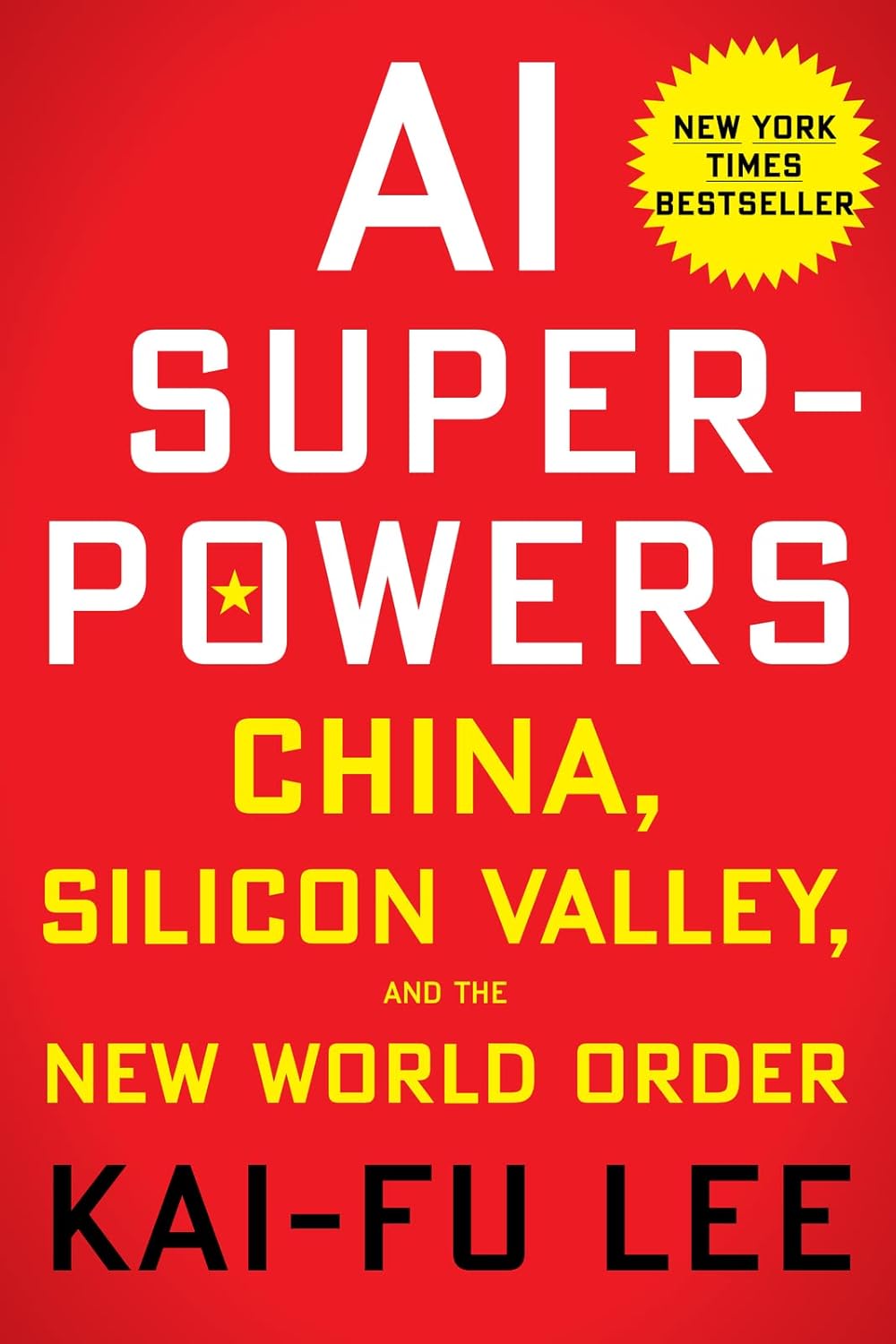
China vs.
As an Amazon Associate, Zendoric earns from qualifying purchases; the price does not change for you. · all our recommended books →
🔗 Related on Zendoric
- Samsung could multiply its profit 18-fold thanks to the AI memory boom · 2026-07-08
- Samsung lays off 839 employees in the U.S. while its AI chips send profit up 19-fold · 2026-07-20
- SoftBank bets its future on superintelligence: Son turns record profits into ammunition to dominate the AI era · 2026-06-25