GPT-6 comes with a $500 plan, and halved limits on the $200 tier show what frontier AI really costs

🕒 Published on Zendoric: November 1, 2026 · 00:10
✨ AI-generated · how it's made
OpenAI has released GPT-6 with an 'Intelligent UI' that builds interactive charts and buttons, along with a model called GPT-6.1 Soul. The pricing news may matter more. A new $500-a-month plan has arrived, and usage limits on the $200 plans have been cut in half.
📚 Go deeper

The definitive piece of investigative journalism on OpenAI: 260+ interviews, the clash between safety and speed, and the attempted firing of Sam Altma
As an Amazon Associate, Zendoric earns from qualifying purchases; the price does not change for you. · all our recommended books →
OpenAI has launched GPT-6. According to the short video note this piece is based on, the release has two headline features. The first is 'Intelligent UI', which lets the model answer with interactive charts and buttons as well as text. The second is a model called GPT-6.1 Soul.
Pricing changed at the same time. OpenAI added a plan that costs $500 a month. It also cut the usage limit on its $200 plans in half. Put simply, the same $200 now buys half the usage, and getting back to the old level means paying more.
We only have a short note to go on. We don't know GPT-6's benchmark results, what makes GPT-6.1 Soul different, or how big the usage caps are. So we can't judge yet whether the model is a real jump in capability. That will take independent tests on hard benchmarks, not launch-day marketing. What we can read is the business signal, and it is clear.
Our thesis: the pricing matters more than the features. Frontier AI is expensive to run. Cutting the $200 limits and adding a $500 plan suggests heavy users have been costing OpenAI more than they pay. Many tech products get cheaper over time. With the most capable models, the trend right now runs the other way, at least for the people who rely on them most.
Our reading: in the short term, this is a real problem for professionals and small teams who built their work around a predictable price. It also widens a gap that already exists. Companies and power users who can pay $500 a month get the most out of the frontier. Everyone else works with tighter limits. That fits a pattern we keep tracking: the value is less about which model is smartest and more about who controls access, the product layer and the pricing. Intelligent UI belongs to that same fight. It keeps users inside OpenAI's own interface.
There are two counterweights, and they shape our long-term view. First, open-weight models from labs such as GLM, Qwen, DeepSeek and Kimi are closing the gap quickly. They put a ceiling on how far closed providers can push prices before customers leave. Second, computing costs have historically fallen. If that holds, today's premium tier will look like tomorrow's free tier. The road to abundance is not a straight line, and right now it runs through more expensive subscriptions. Users should watch what they actually get for the money, and rival labs will have to decide whether to follow OpenAI's pricing or undercut it.
📚 Go deeper

DeepMind co-founder on the dilemma of containing technologies that do not want to be contained.
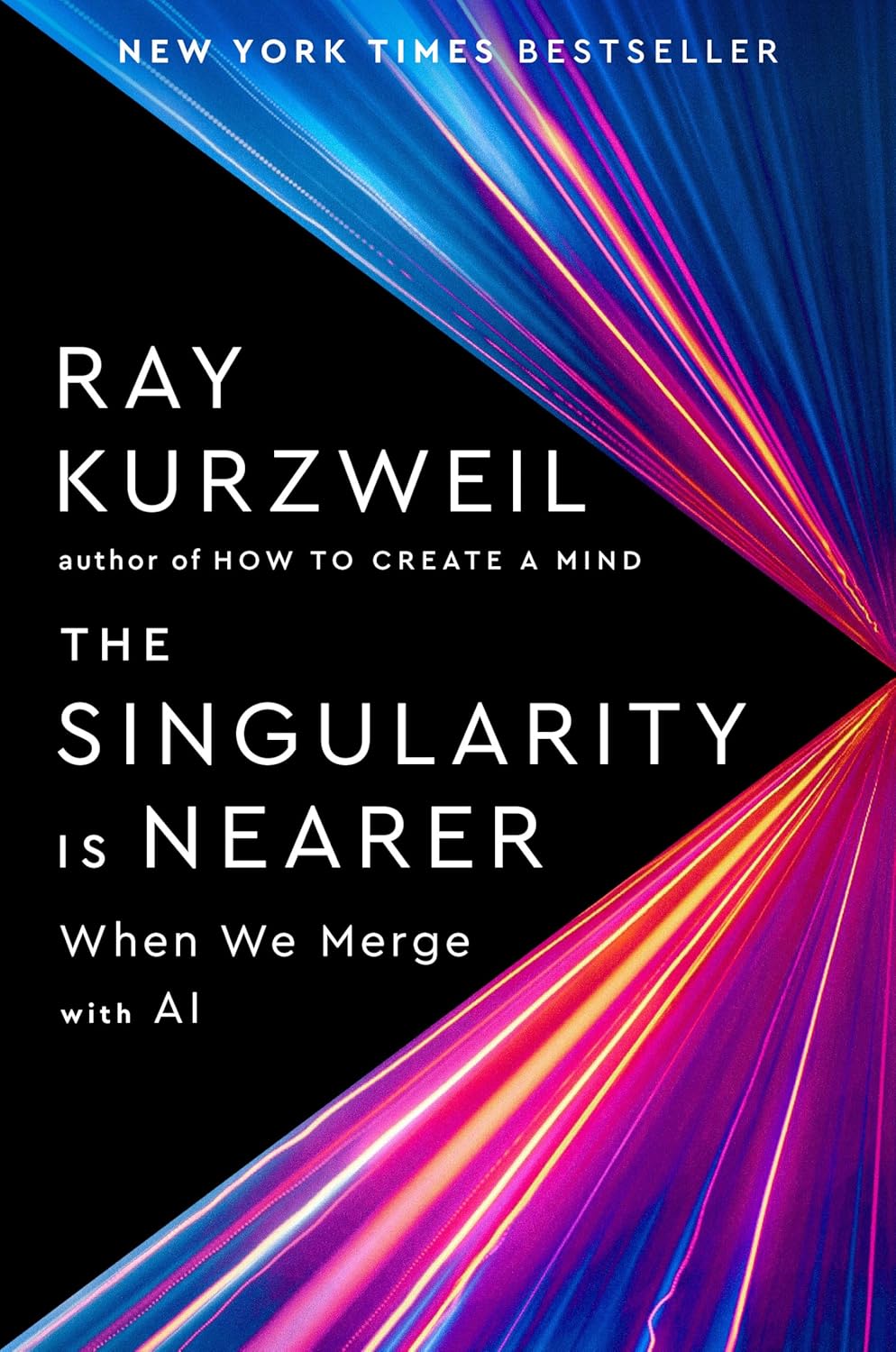
Twenty years after "The Singularity Is Near", Kurzweil revisits his predictions and keeps the date: human-AI merger around 2045.
As an Amazon Associate, Zendoric earns from qualifying purchases; the price does not change for you. · all our recommended books →
🔗 Related on Zendoric
- GPT-6 launches with an interactive interface, while OpenAI raises the price of heavy use · 2026-10-31
- OpenAI launches 'Intelligent UI' in ChatGPT: answers with interactive charts and calculators alongside GPT-6 · 2026-10-09
- Stop paying frontier prices for work a cheap AI would do just as well · 2026-07-03