Stop paying frontier prices for work a cheap AI would do just as well

🕒 Published on Zendoric: July 3, 2026 · 01:20
✨ AI-generated · how it's made
Nate opens his newsletter with a concrete case: Fable 5 came back yesterday after being out of service for more than two weeks, but this time under different conditions —usage limits, a credit model and a filter that redirects part of the work to a weaker model.
📚 Go deeper
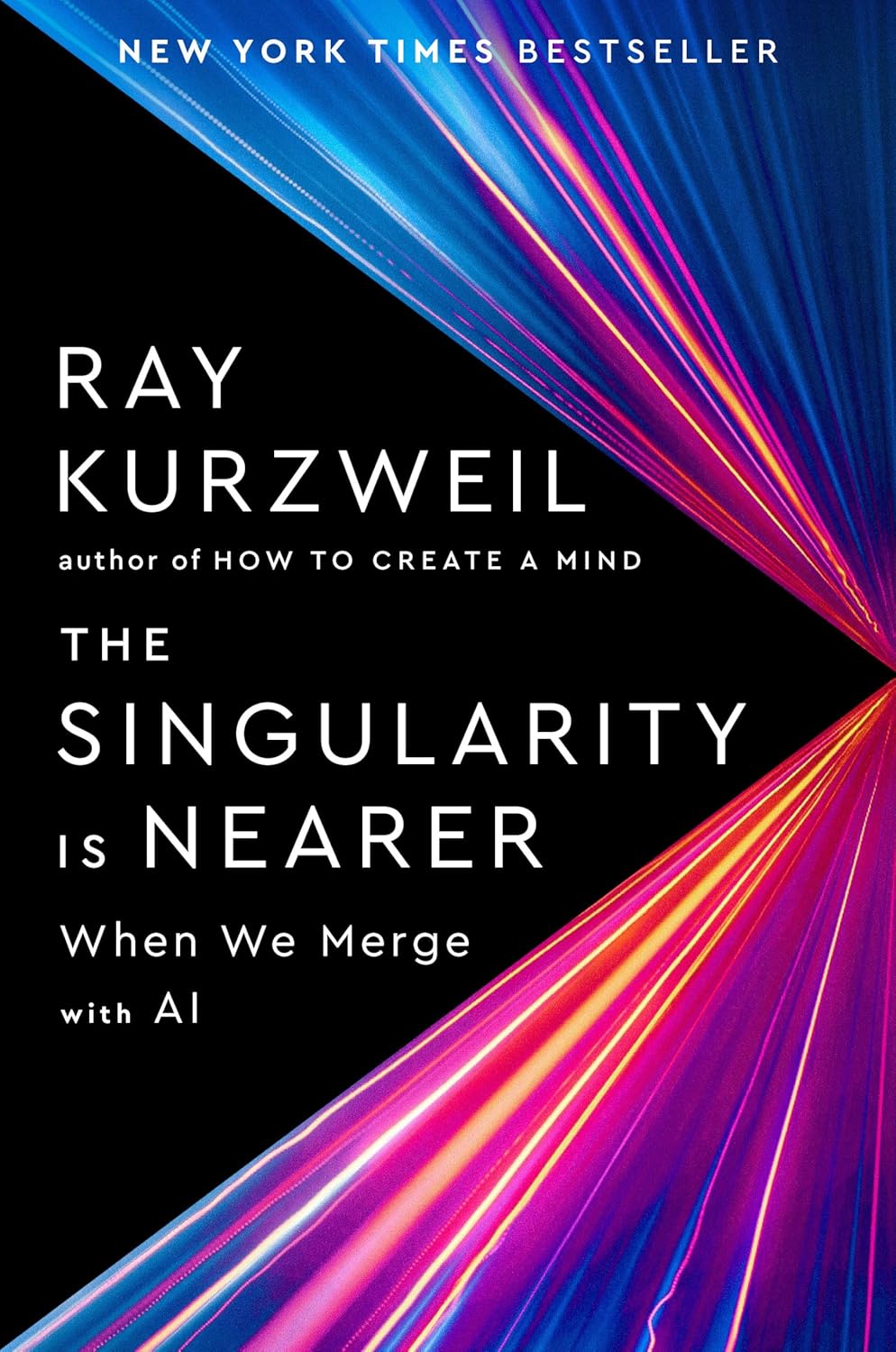
Twenty years after "The Singularity Is Near", Kurzweil revisits his predictions and keeps the date: human-AI merger around 2045.
As an Amazon Associate, Zendoric earns from qualifying purchases; the price does not change for you. · all our recommended books →
By Nate.
Nate opens his newsletter with a specific case: Fable 5 came back yesterday after being out of service for more than two weeks, but this time with different terms —usage limits, a credit model and a filter that redirects part of the work toward a weaker model. For Nate, what matters is not whether the service is down, up or changed from its original launch, but the underlying lesson: we cannot depend on artificial intelligence always being available in a particular model format or through a particular access route. In his words, we rent intelligence, we don't own it.
That idea changes, according to the author, which skill really matters today. When the model you want to use can be limited, repriced or retired behind a new policy overnight, the useful move is no longer having a favorite model. What you need to learn is how to decide which intelligence to apply to which task, so that when one route closes you already know where to move the work.
Nate argues that most people don't do this: we open the same model out of habit, we pay frontier prices for tasks a cheaper model would solve just as well, and we get stuck when that model disappears or changes its terms. Meanwhile, the typical user has a presentation to build, a call to summarize, a spreadsheet to clean up, a bug to fix, and thirty minutes before the next meeting. They don't need a geopolitical thesis on the AI market before breakfast: they need to know which AI to open first.
The email previews the content of the full piece (accessible to paying subscribers), structured into several blocks:
First, 'the routing play companies already made': Nate mentions Coinbase and Cursor as examples of companies that stopped sending all their tasks to the frontier model, and what that tells us about how we manage (and pay) our own AI bill.
Second, 'start with the task, not the model': a set of questions that, according to the author, should decide where the work goes before the name of a specific model even comes into play.
Third, a three-tier classification —'daily driver', 'workhorse' and 'frontier'— with criteria on when it's worth paying for breadth of capabilities, when a cheap model is the best option, and how to tell one case from the other in advance.
Fourth, a section on 'specialists for senses, sources and actions', in which Nate argues that, when a task requires vision, live data or the ability to act (actions), what matters less is the specific model and more the 'harness' (the scaffolding or infrastructure that wraps the model).
Finally, the email promotes a 'model-picker prompt': a tool you describe any task to and that tells you which AI to open, how to verify the result, and what work you can safely migrate off the expensive model this very week.
Nate closes with the idea that the model market is becoming simultaneously broader, cheaper and more confusing, so his recommendation is to describe the work before choosing the model. Access to the full analysis, the guide and the mentioned prompt, as well as membership in his Slack community, are reserved for paying subscribers of his Substack.
📚 Go deeper

AI as the latest chapter in the history of information networks, from gossip to the printing press to the algorithm.

DeepMind co-founder on the dilemma of containing technologies that do not want to be contained.
As an Amazon Associate, Zendoric earns from qualifying purchases; the price does not change for you. · all our recommended books →
🔗 Related on Zendoric
- Claude Fable 5: when 'safer' translates into 'less useful' and the market makes Anthropic pay for it · 2026-07-03
- A lawsuit over being denied a frontier AI model marks a turning point: access as a stake worth fighting for · 2026-06-25
- When the state shuts down a model: the Fable 5 case redefines who's in charge of frontier AI · 2026-06-25