When the state shuts down a model: the Fable 5 case redefines who's in charge of frontier AI
🕒 Published on Zendoric: June 25, 2026 · 09:00
✨ AI-generated · how it's made
Anthropic disabled Claude Fable 5 and Mythos 5 following a U.S. national security order. The move opens a fundamental debate: how far can a government go to disconnect a private company's technology, and what price does collective security pay when access is shut off?
📚 Go deeper
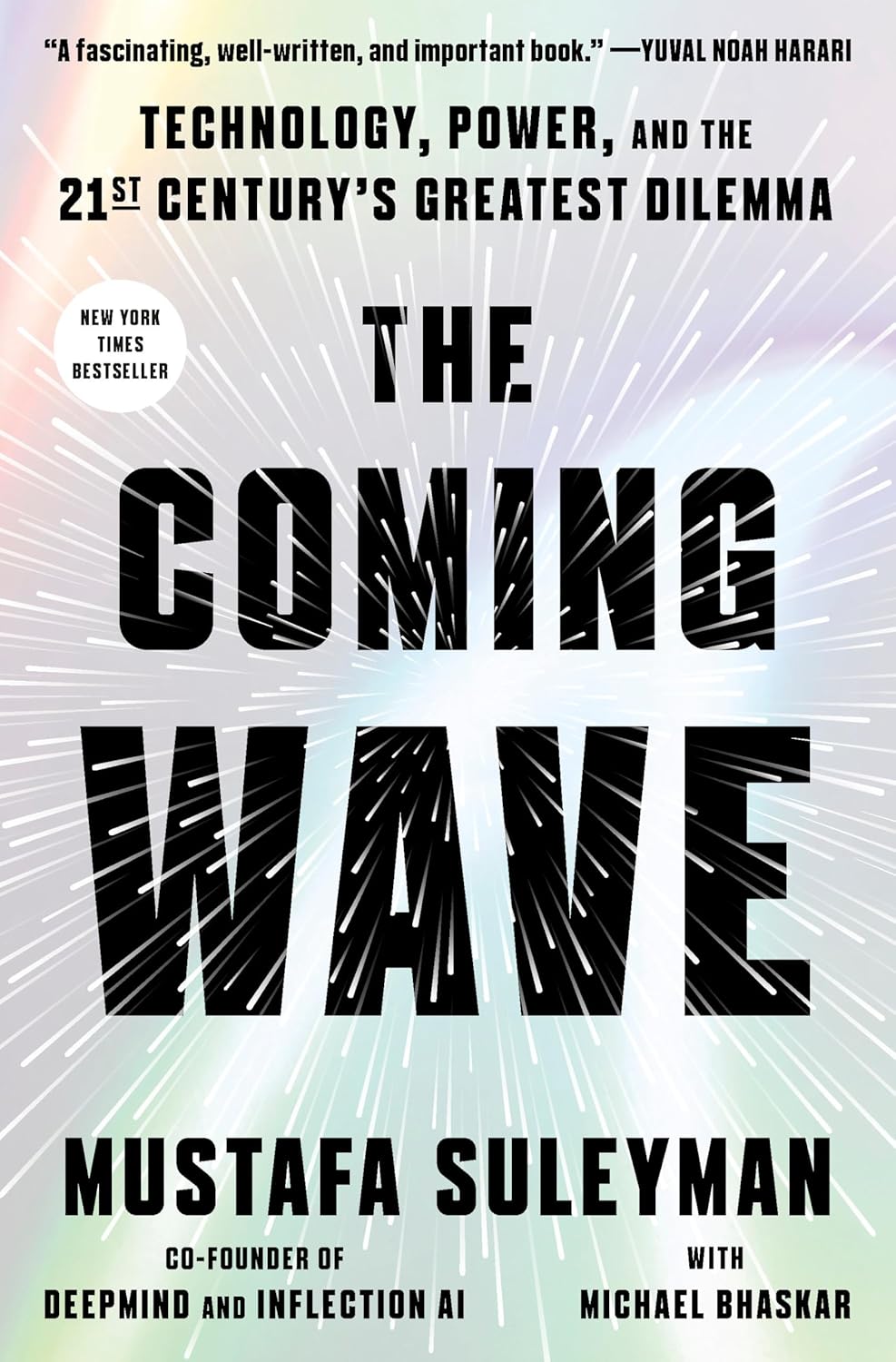
DeepMind co-founder on the dilemma of containing technologies that do not want to be contained.
As an Amazon Associate, Zendoric earns from qualifying purchases; the price does not change for you. · all our recommended books →
Some episodes matter less for what happens than for the precedent they set. The suspension of Claude Fable 5 and Mythos 5 belongs to that category. According to information published by the BBC on 13 June 2026, Anthropic disabled both models for all its customers —domestic and international— following an order from US national security authorities that, in principle, only sought to prevent foreign citizens from accessing Fable 5. The company opted for a complete shutdown to guarantee compliance. It is the first time we have witnessed so clearly a Western government effectively ordering the disconnection of an AI product from a company in its own country.
The technical detail deserves attention because it tempers the drama. The official justification points to a jailbreaking technique, but Anthropic itself, after reviewing the demonstration, stated that it only allowed the identification of «a small number of minor and previously known vulnerabilities», which were moreover exploitable by other public models without any need for a bypass. That discrepancy between the severity of the response and the magnitude of the declared risk is what invites us to look beyond the strictly technical.
And there the political context emerges, which should be recounted with caution and by attributing each claim to its source. The relationship between Anthropic and the Trump administration had been tense: according to the reporting, the then Defense Secretary Pete Hegseth went so far as to label the company a «supply chain risk», a tag historically reserved for companies from adversary countries. Anthropic sued the Pentagon and a judge ruled that the directive could not be enforced while the litigation lasted. The suspension of Fable 5 and Mythos 5 is therefore part of a broader confrontation whose legal outcome remains open.
What is truly interesting is the underlying tension the case illuminates. On the one hand, the model's offensive capability appears real: Professor Gina Neff, of Queen Mary University of London, cited data from the British AI Security Institute according to which the system managed to exploit defenses 73% of the time, which she described as «a qualitative leap». If the figure is confirmed, we are talking about a threshold of dangerousness different from that of earlier generations. On the other hand, the same expert warns of the paradox: restricting who can test these models hampers precisely the development of collective defenses. «We are in uncharted territory», she summed up.
It seems to me that this is the lesson that will endure. The governance of frontier AI is no longer played out solely in the labs or in the terms of service: it is played out at the intersection of state power, national security and technological sovereignty. The European reaction confirms it. The EU, which had obtained access to Mythos in early June, saw in the episode, in the words of spokesman Thomas Regnier, proof of «Europe's need for technological sovereignty». This is no minor rhetoric: when a model can be switched on or off by the decision of a foreign government, depending on it becomes a strategic matter of the first order.
Far from reading it as a crisis, it is worth seeing it as a point of maturation. The industry is learning, in real time and the hard way, that the most powerful capabilities demand equally robust control frameworks and, above all, legitimate and predictable ones. The challenge is not to choose between openness and security, but to design mechanisms that protect without suffocating the collaboration that security itself requires. That balance has yet to be invented, and cases like this are, perhaps, its involuntary laboratory.
📚 Go deeper

The only novel on the list, by a Nobel laureate: an artificial friend observes humans with a blend of lucidity and innocence no essay achieves.
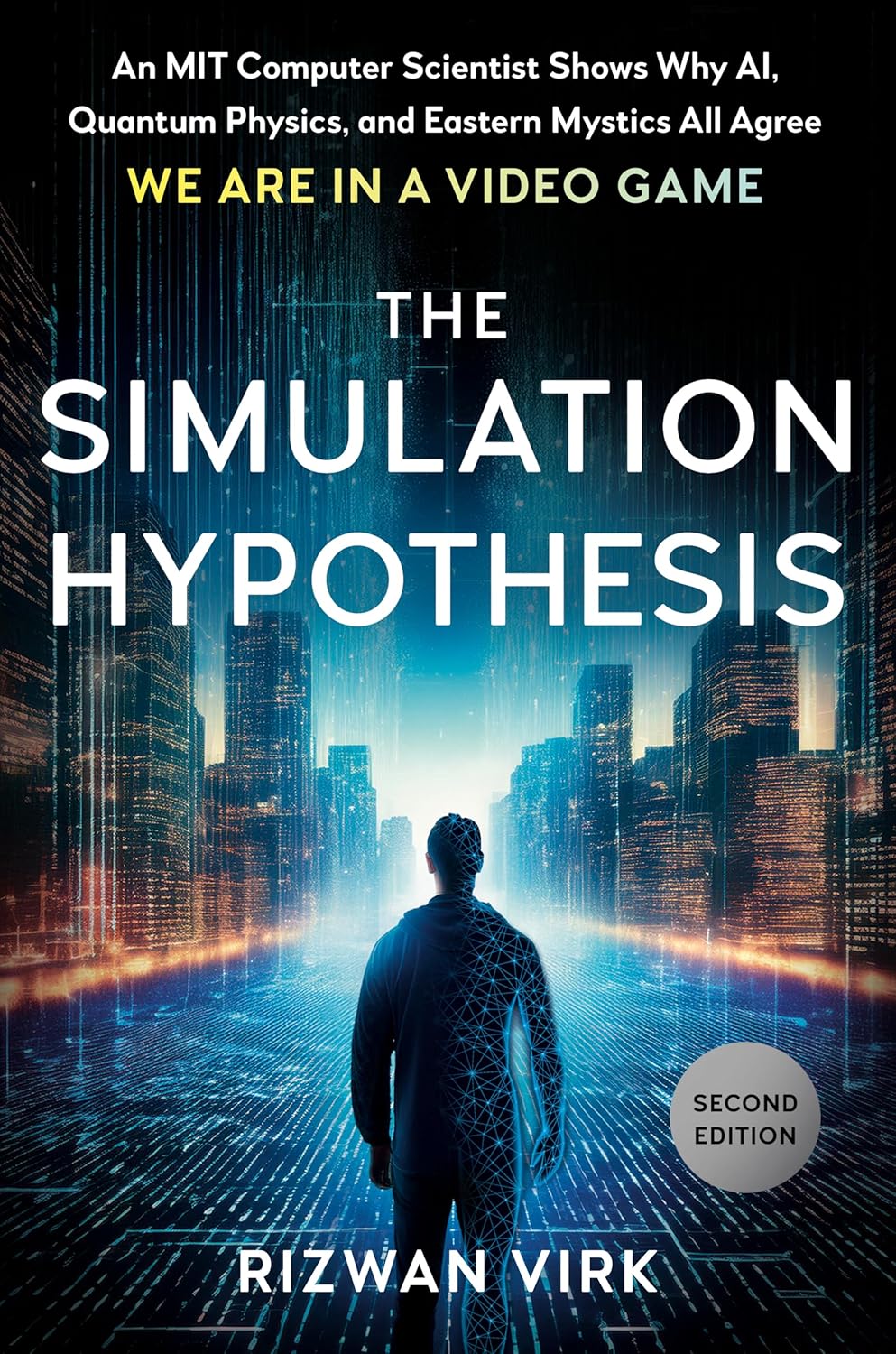
An MIT computer scientist connects AI, quantum physics and video games to take an uncomfortable question seriously: what if we live in a simulation? M
As an Amazon Associate, Zendoric earns from qualifying purchases; the price does not change for you. · all our recommended books →
🔗 Related on Zendoric
- When the State declares its champion dangerous: the regulatory paradox Anthropic lays bare · 2026-06-27
- Claude Fable 5 and the first AI 'blackout' over national security: a precedent that changes the sector's rules · 2026-06-29
- Anthropic redeploys Claude Fable 5 globally after agreement with the U.S. government · 2026-07-03