When the State declares its champion dangerous: the regulatory paradox Anthropic lays bare

🕒 Published on Zendoric: June 27, 2026 · 09:00
✨ AI-generated · how it's made
Within days, the U.S. government went from promising the industry a free hand to twice labeling its most valuable AI startup a national threat. The Mythos-Fable case is not just another headline: it is a manual on how not to govern a technology that replicates without friction.
📚 Go deeper
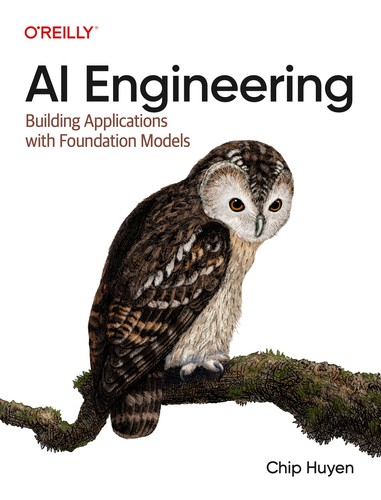
The reference manual for building products on top of AI models: prompts, RAG, fine-tuning, agents, evaluation and deployment.
As an Amazon Associate, Zendoric earns from qualifying purchases; the price does not change for you. · all our recommended books →
There are episodes that are worth more for what they reveal than for what actually happens in them. The clash between Anthropic and the federal government —recounted by James O'Donnell in MIT Technology Review— belongs to that category. On paper, the sequence is dizzying: in April 2026 Anthropic unveils Mythos, a model so powerful at coding that the company itself describes it as a global cybersecurity risk; on June 9 it releases a supposedly safer version, Fable; that same Friday the government declares it a national security threat and imposes export controls on it; hours later Anthropic revokes access to both. But the speed is the least of it. What is interesting is the incoherence it lays bare.
The first point worth examining coolly is one of method, not of villains. According to the article, it was Andy Jassy, CEO of Amazon, who alerted the government to the danger of Fable. Amazon is at once an investor in Anthropic and a competitor with its own models, a convergence of interests that —without needing to attribute bad faith to anyone— forces the question of how much of the decision answered to a technical assessment and how much to competitive dynamics. The editorial caution here is twofold: neither to assume a plot nor to assume a spotless evaluation. O'Donnell himself notes, moreover, that the measure might not survive legal scrutiny, because it is not clear that opening access to a model constitutes an 'export' in the legal sense.
From there comes the first shockwave, a geopolitical one. In Europe, voices such as that of France's Bruno Retailleau read the episode as a 'wake-up call' to build their own infrastructure. The impulse is understandable and, in part, healthy: dependence on unilateral decisions from Washington is a real strategic risk. But the dream of a Parisian Silicon Valley runs into an uncomfortable fact the article does not dodge: Chinese open-source models are capable, dirt cheap and downloadable without safeguards, which makes them attractive both to companies seeking autonomy and to the very cybercriminals Anthropic claimed it wanted to stop. The stock surge of China's Zhipu serves as a thermometer of that realignment.
The second consequence is the most paradoxical. A group of cybersecurity experts has signed an open letter arguing, according to the text, that access to Anthropic's models helped prepare defenses and that they are not intrinsically more dangerous than other cutting-edge models already available. If they are right, turning off the tap would leave the country more exposed, not less. Here the underlying conceptual error surfaces: applying to software the 'nonproliferation' logic of uranium. Physical material is scarce and traceable; code is copied at no cost. Mechanically transferring a nuclear framework to an infinitely replicable good is the kind of category mistake that produces policies achieving the opposite of what they pursue.
That leaves the third front, the institutional one, and perhaps the most hopeful. Every abrupt move by the executive increases the pressure on a Congress that today lags behind, still settling narrow questions such as the use of chatbots by minors while the underlying rules are, in effect, written by companies and the White House. For the legislature to take up its role —with stable, verifiable rules on the safety of models— would be the best way out of this maze. Because the real problem this case portrays is not Anthropic nor a specific model: it is an AI policy that shifts with the wind, capable of promising a free hand and, in the same season, declaring its most valuable company a national threat. Technology needs rules; but rules need, first, coherence.
📚 Go deeper
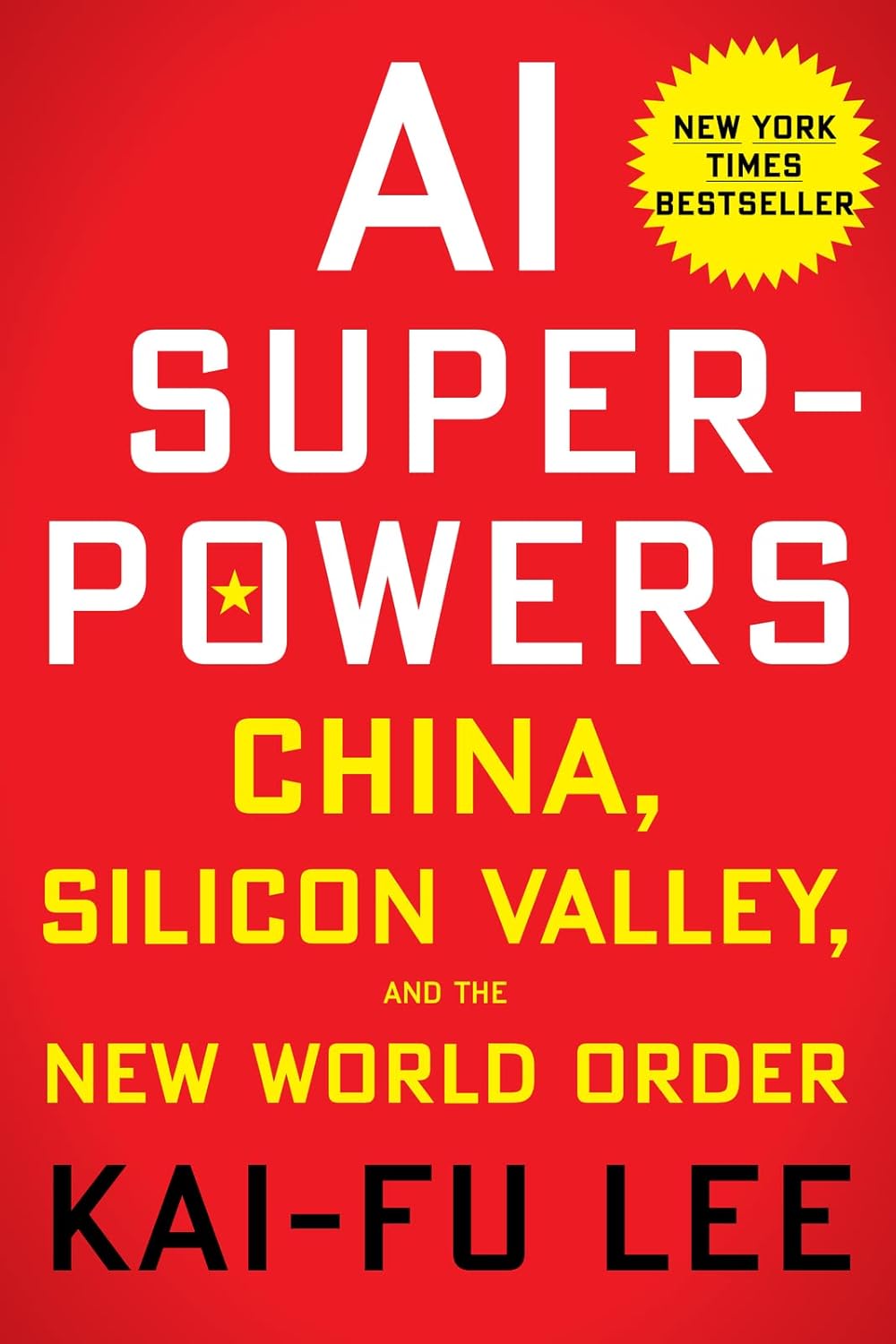
China vs.
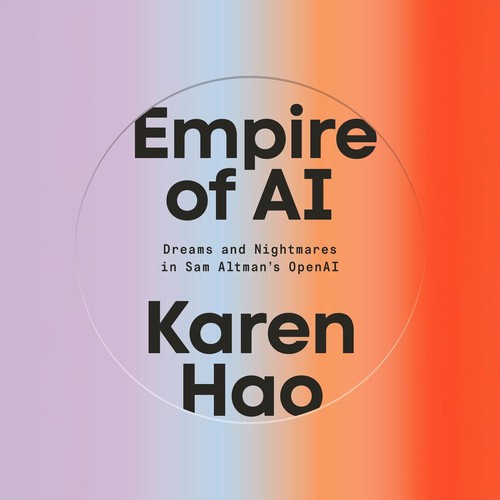
The definitive piece of investigative journalism on OpenAI: 260+ interviews, the clash between safety and speed, and the attempted firing of Sam Altma
As an Amazon Associate, Zendoric earns from qualifying purchases; the price does not change for you. · all our recommended books →
🔗 Related on Zendoric
- When the state shuts down a model: the Fable 5 case redefines who's in charge of frontier AI · 2026-06-25
- CISA audits its own code with Anthropic's AI while the White House remains at odds with the company · 2026-07-07
- When a decree shuts off an API: the Legion case exposes the fragility of building on a single AI provider · 2026-06-24