Design as a garden: a different way to think about creative work
🕒 Published on Zendoric: October 29, 2026 · 00:15
✨ AI-generated · how it's made
Justin Jay Wang's piece, published on October 26, 2026 on his personal site and filed under 'Reflection,' proposes a simple metaphor: thinking of creative work as tending a garden rather than running a production line.
📚 Go deeper
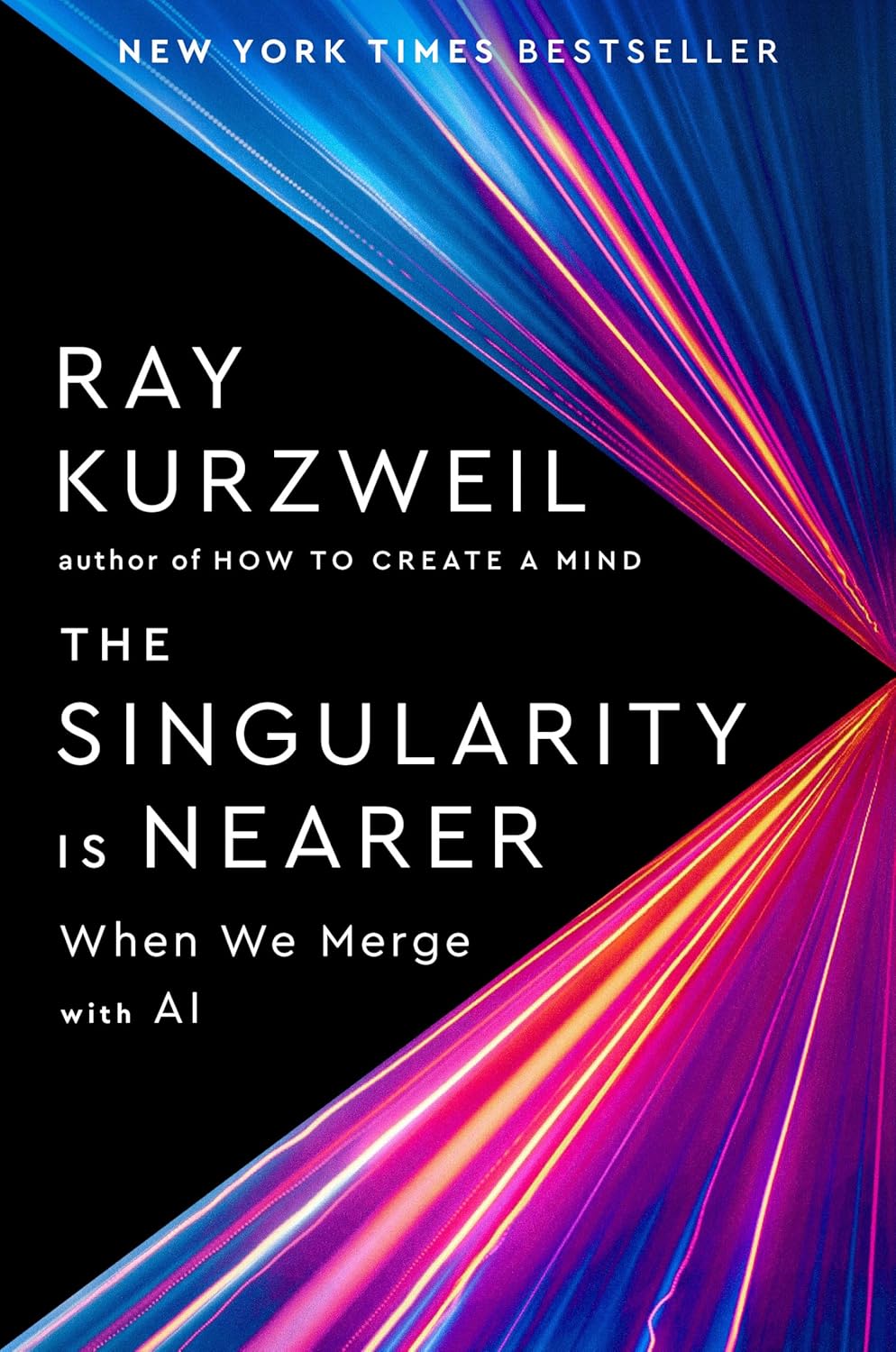
Twenty years after "The Singularity Is Near", Kurzweil revisits his predictions and keeps the date: human-AI merger around 2045.
As an Amazon Associate, Zendoric earns from qualifying purchases; the price does not change for you. · all our recommended books →
Justin Jay Wang's piece, published on 26 October 2026 on his personal website and filed under “Reflection”, offers a simple metaphor: think of creative work as tending a garden, not running a production line. It is not a technical article and does not discuss AI tools. It is a short list of principles that opens with a quote from the Stoic philosopher Epictetus: “Don't demand that things happen as you wish, but wish that they happen as they do happen, and you will go on well.”
The first principle is to cultivate the right conditions. You can't force a plant to grow at 2 p.m., but you can prepare the soil so that something good has the best chance of taking root. Next comes cross-pollination: interesting work comes from unexpected combinations, so it helps to watch a film, read a book outside your field or talk to someone who sees the world differently.
The third principle is to protect what is fragile. A young but promising idea can be killed before it develops, so it needs shelter from premature judgement. Then comes “come back tomorrow”: persistence doesn't mean doing the same thing over and over, but staying with something long enough to find another way in.
The fifth principle is to prune what isn't essential. Space, attention and resources are limited, and sometimes something good has to be cut back so that what matters most can flourish. As a counterpoint, the author argues that not every plant has to bear fruit: some are worth growing simply because you like having them in the garden, and not everything needs a clear payoff.
He also recommends planning for unplanned space: don't fill every inch, and leave room for play, improvisation and plants you never meant to grow. On top of that, he advises against harvesting too early, meaning an idea should be left to ripen fully before it is asked to deliver, without rushing to pick a direction and staying open to where it might lead.
Another principle is to let part of the ground lie fallow. Visible results don't always have to be demanded: it helps to step away now and then, observe, take things in, make new connections and live a little. On the surface things may look quiet, but underneath the soil is renewing itself.
The last principle is to match effort to the season. The question he poses is whether something needs more effort or simply more time. The idea is to practise patience and, when the time is ripe, to work intensely.
Overall, the message is an invitation to replace the logic of forced productivity with one of patience, attention and care for the conditions in which ideas emerge. Because the piece is short and reflective, it offers no data, studies or concrete cases. Its value lies in the mental framework it gives designers and creators.
📚 Go deeper

AI as the latest chapter in the history of information networks, from gossip to the printing press to the algorithm.

DeepMind co-founder on the dilemma of containing technologies that do not want to be contained.
As an Amazon Associate, Zendoric earns from qualifying purchases; the price does not change for you. · all our recommended books →
🔗 Related on Zendoric
- An Infobae video asks whether AI will surpass us: the question matters more than the quick answer · 2026-07-17
- AI's mascots: why the most advanced technology needs little human-made characters · 2026-10-14
- Everyone is lying to you about AI creativity: a CEO argues creative friction is the point · 2026-10-15