An Infobae video asks whether AI will surpass us: the question matters more than the quick answer

🕒 Published on Zendoric: July 17, 2026 · 00:24
✨ AI-generated · how it's made
Infobae published a short piece with Alan Daitch under the title 'Can AI become smarter than us?'. The available material does not include verifiable statements or data from the video, so at Zendoric we prefer to be honest about that limitation rather than fill in with generalities.
📚 Go deeper
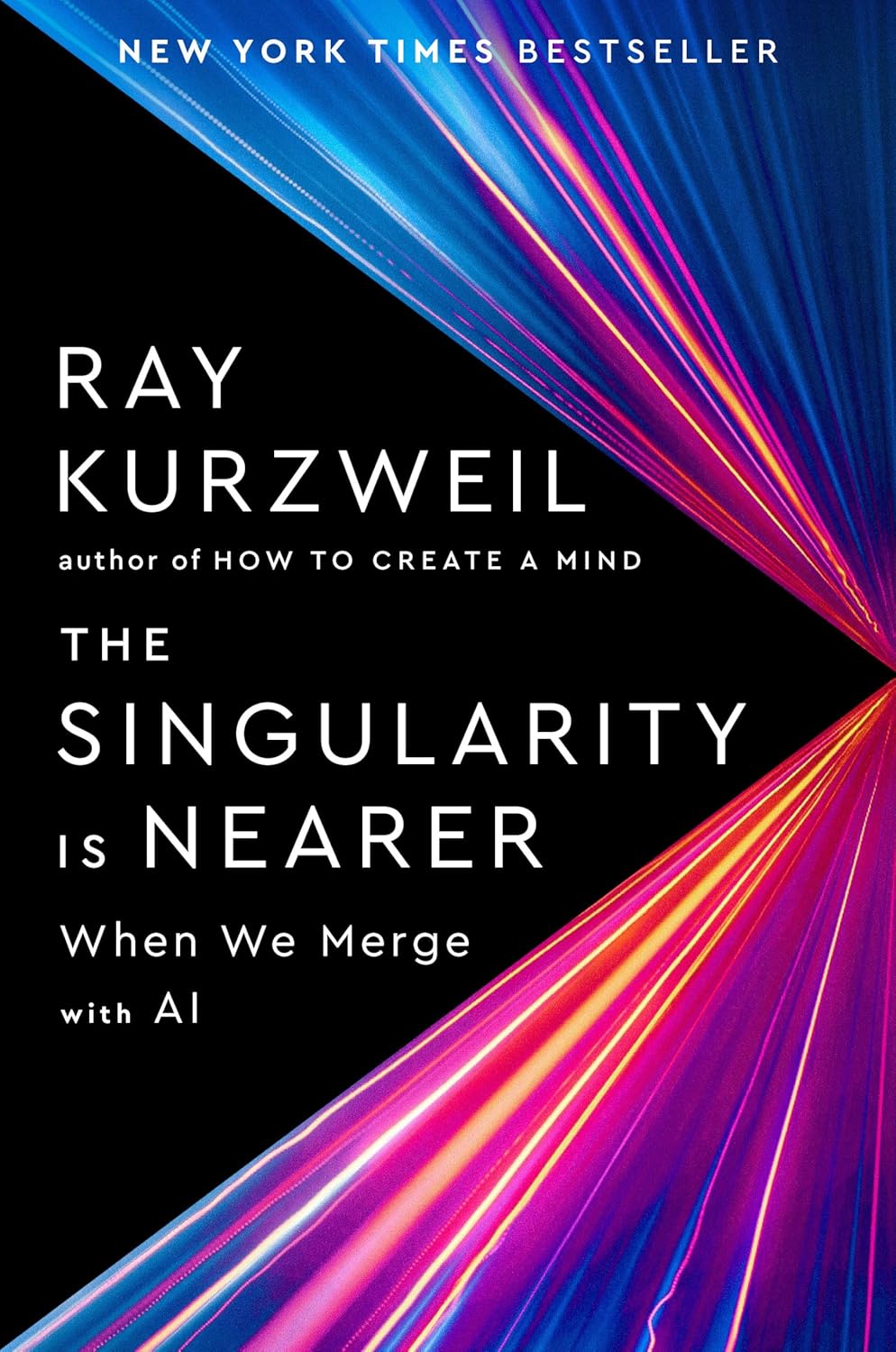
Twenty years after "The Singularity Is Near", Kurzweil revisits his predictions and keeps the date: human-AI merger around 2045.
As an Amazon Associate, Zendoric earns from qualifying purchases; the price does not change for you. · all our recommended books →
By Infobae · July 16, 2026. The video in question, part of the series 'La Fórmula' with Alan Daitch, poses a direct headline: can artificial intelligence become smarter than humans? It is a legitimate and timely question, but the content we have had access to does not include the transcript or quotes from the interviewee, only site navigation metadata. Since we do not have the specific arguments laid out in the clip, we are not going to attribute to Daitch claims we cannot verify.
What we can do is place the question in context. The debate over whether AI will "surpass" human intelligence has for years conflated two distinct things: demonstrated capability on specific tasks (where models already outperform most humans in calculation speed, information synthesis or code generation) and the more diffuse notion of "general intelligence" or consciousness, which remains speculative territory. At Zendoric we have been insisting on that distinction when analyzing benchmarks: a system can master a saturated task without that implying reasoning equivalent to a human's in the broad sense.
Our reading is that the short, mass-outreach video format —like that of this Infobae series— serves a valuable function by bringing these questions to general audiences, but it rarely offers the level of nuance needed to separate AI labs' marketing from the hard data. Questions like 'can AI become smarter than us?' are usually better answered by looking at capability trajectories in specific domains —mathematical reasoning, programming, medical diagnosis— than by seeking a binary verdict on superintelligence.
If we connect this to the underlying thesis we hold at Zendoric: in the short term, public conversation will keep swinging between the fear of an AI that "surpasses" us and the skepticism of those who see only glorified autocomplete. That tension is healthy and necessary as long as it remains unresolved by evidence. But the horizon that seems most likely to us is not one of a machine that replaces us in a race of general intelligence, but of systems increasingly capable at specific tasks —diagnosis, biomedical research, materials design— that, well governed, accelerate the eradication of diseases and broaden access to resources that are scarce today. The question that titles this video is the right one; the serious answer requires looking at concrete data, not studio reactions.
📚 Go deeper

AI as the latest chapter in the history of information networks, from gossip to the printing press to the algorithm.
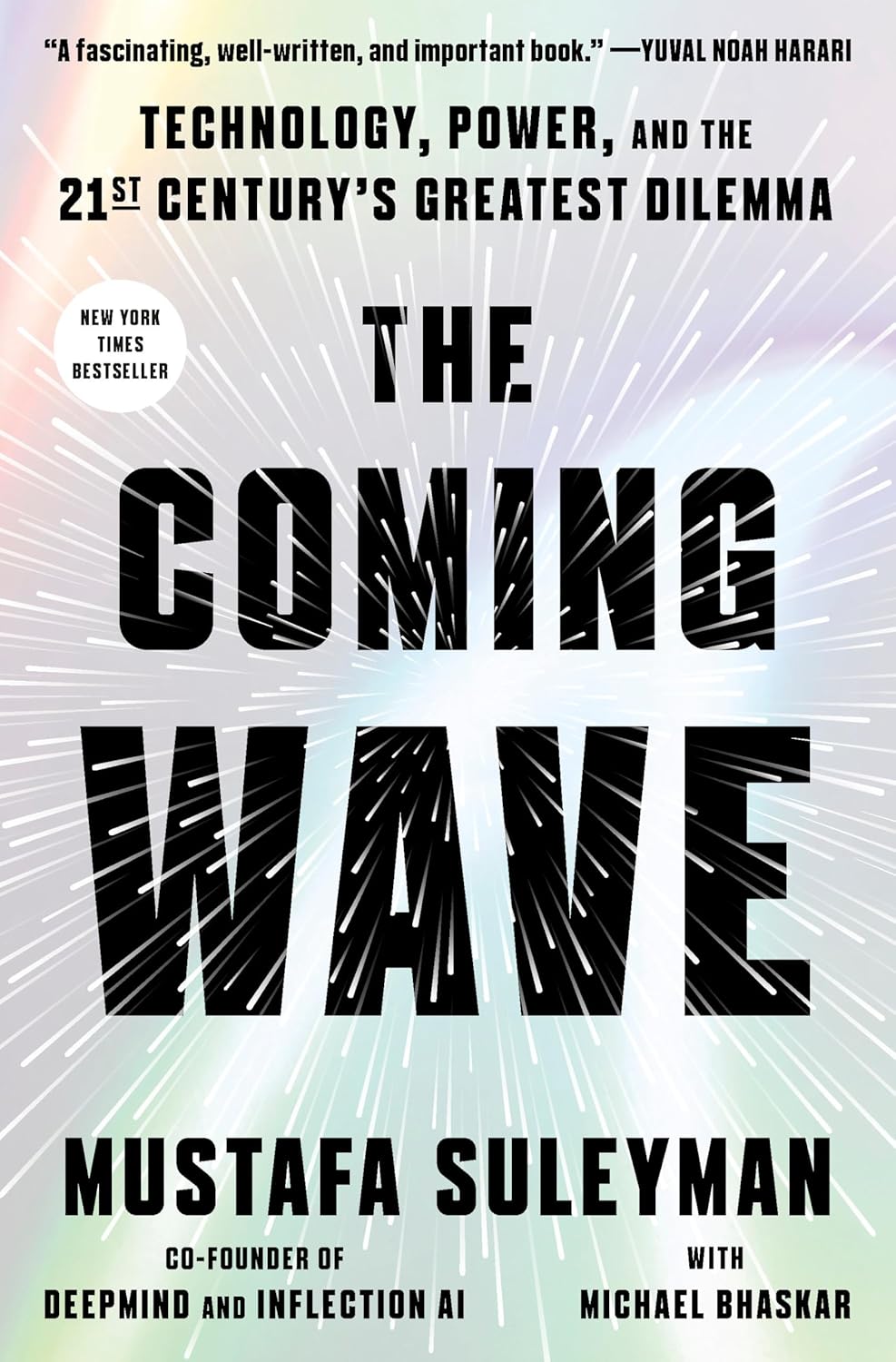
DeepMind co-founder on the dilemma of containing technologies that do not want to be contained.
As an Amazon Associate, Zendoric earns from qualifying purchases; the price does not change for you. · all our recommended books →
🔗 Related on Zendoric
- A Virginia health system reminds us AI does not replace the doctor: the missing piece is the evidence · 2026-07-25
- A 'Viennese School' of agentic programming? The question is worth more than the answer · 2026-06-25
- An AI agent deciding which family to investigate: the missing governance in child protection · 2026-07-09