Intel to acquire quantum software firm Classiq to pair it with its silicon spin-qubit chips
🕒 Published on Zendoric: October 29, 2026 · 00:15
✨ AI-generated · how it's made
Intel announced on October 26, 2026 that it has signed a definitive agreement to acquire Classiq, an Israel-based quantum computing software provider.
📚 Go deeper

An MIT computer scientist connects AI, quantum physics and video games to take an uncomfortable question seriously: what if we live in a simulation? M
As an Amazon Associate, Zendoric earns from qualifying purchases; the price does not change for you. · all our recommended books →
Intel announced on October 26, 2026 that it has signed a definitive agreement to acquire Classiq, an Israel-based quantum computing software provider. According to the press release, the deal aims to create a user-friendly, "full-stack" quantum platform that helps the technology become a mainstream computing business.
Intel's thesis rests on a historical analogy. More than forty years ago, electronic design automation (EDA) and computer-aided design (CAD) software transformed silicon chip design by providing a common platform that abstracted away the complexity of the underlying hardware. Intel argues that Classiq plays a similar role in quantum computing: a unifying software platform that is agnostic to qubit modality and hardware. That high-level abstraction would allow quantum computing to scale beyond handcrafted, custom-built circuits and applications.
On the hardware side, Intel says it has been investing in quantum computing since 2015. It also claims to be the only company capable of producing both qubit chips and complex cryogenic control electronics at scale, using equipment and processes common to conventional silicon semiconductor manufacturing. The company refers to this line as silicon spin qubit technology.
The deal would combine Intel's quantum software platform, its scalable silicon spin qubit technology and its advanced manufacturing expertise with Classiq's automated quantum algorithm synthesis platform. With it, Intel aims to become a full-stack quantum solutions provider and to add quantum processing units (QPUs) to its portfolio of compute platforms, which already includes CPUs, GPUs and ASICs.
Intel CEO Lip-Bu Tan said Intel has made notable advances in quantum computing for more than a decade and that joining forces with Classiq turns Intel's Quantum Computing Group into a full-stack quantum business. Nir Minerbi, co-founder and CEO of Classiq, said that since its founding the company has focused on making quantum computing practical and accessible, so that developers, researchers and enterprises can build scalable quantum applications without needing deep knowledge of quantum circuit design.
According to the description of Classiq included in the release, its platform is used by dozens of global companies and combines AI agents, a high-level quantum modeling language and design automation to accelerate the development of optimized, hardware-ready quantum software. It also supports hardware benchmarking, cost and performance optimization, and execution across different quantum hardware platforms.
A relevant point for the ecosystem: after closing, Intel says it will continue to support Classiq's existing cross-platform integrations and will ensure a modality- and hardware-agnostic software solution, in order to maintain an open, collaborative quantum software ecosystem. It remains to be seen, of course, how that commitment will play out in practice once Classiq belongs to a hardware maker with its own qubit technology.
As for timing, the transaction is subject to regulatory approvals and other customary closing conditions, and is expected to be completed in the first half of 2027. Until then, Intel and Classiq will continue to operate as separate, independent companies. The release does not mention the price or financial terms of the deal, so no figures can be provided.
As usual, the release includes forward-looking statements with risk warnings: that the deal may not close on time or at all, the retention of Classiq's key staff and customers, management distraction during the pending period, and technological and commercial uncertainties about the viability of quantum computing and the pace of its commercial adoption. In other words, Intel itself acknowledges that the timeline and scope of this technology's commercial adoption remain uncertain.
Editor's note: this summary is based solely on Intel's official press release, which is corporate material and therefore presents the deal from the company's perspective. Claims such as being "the only company" capable of producing qubits and cryogenic electronics at scale are Intel's statements and have not been independently verified here.
📚 Go deeper
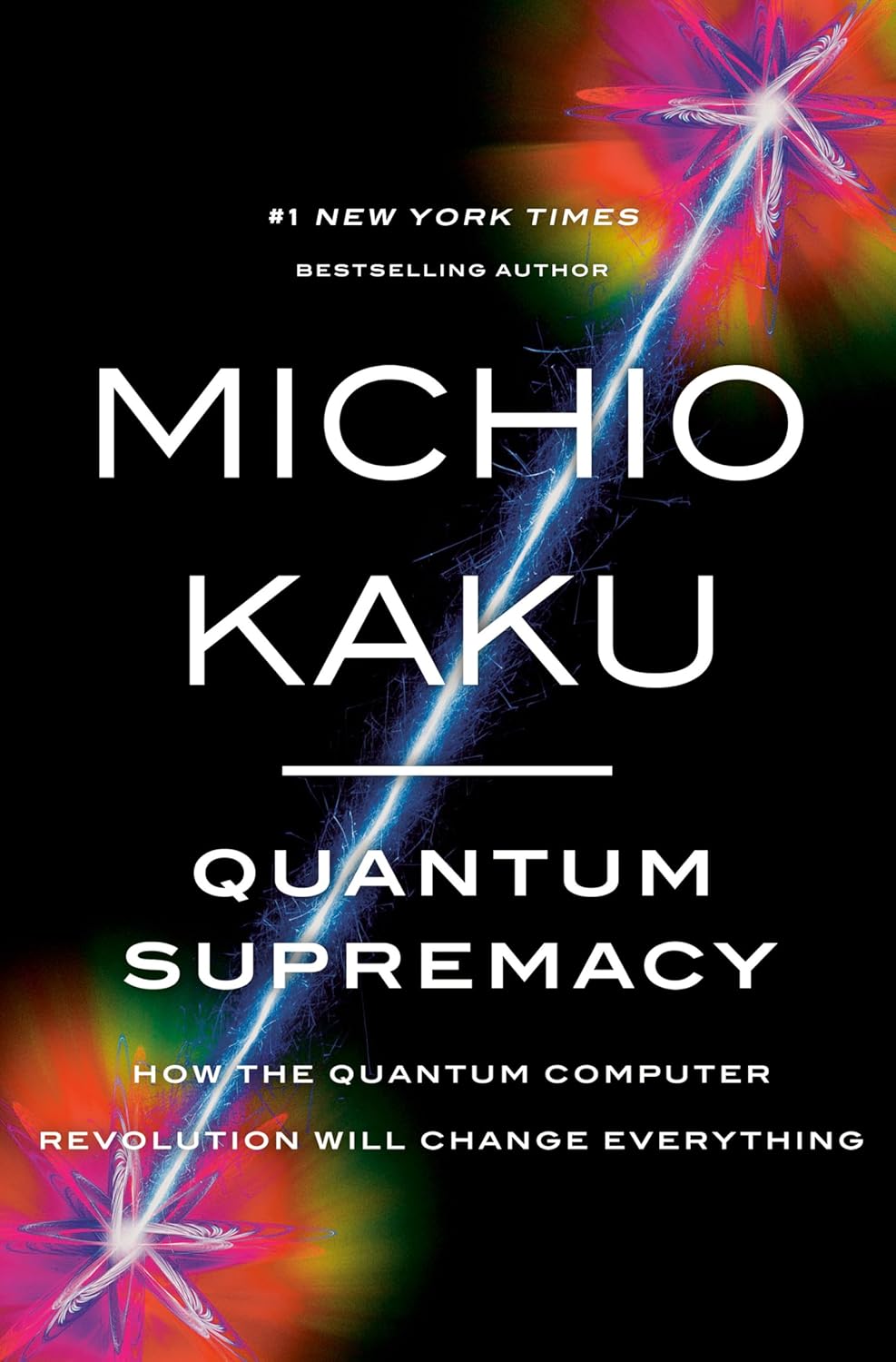
Physics' most-read popularizer explains what quantum computing will change — from drug discovery to machine learning.
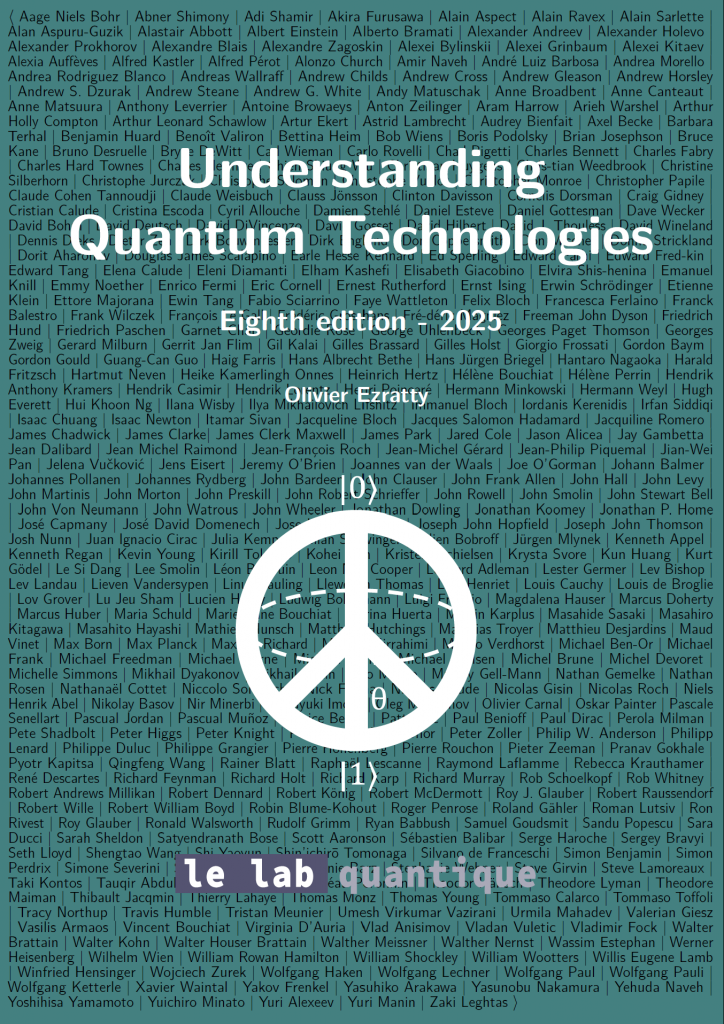
The encyclopedia of quantum technologies, updated EVERY YEAR and published free by its author: hardware, algorithms, companies, funding — with entire
As an Amazon Associate, Zendoric earns from qualifying purchases; the price does not change for you. · all our recommended books →
🔗 Related on Zendoric
- Huawei and Qualcomm sign a broad patent licensing deal covering AI, 5G and computing · 2026-10-07
- IBM and the sub-1 nanometer frontier: the silicon race reorders itself around AI · 2026-06-27
- Microsoft expands its alliance with AMD: it will deploy the Helios rackscale and new "Venice" EPYC chips on Azure · 2026-07-22