IBM and the sub-1 nanometer frontier: the silicon race reorders itself around AI

🕒 Published on Zendoric: June 27, 2026 · 09:00
✨ AI-generated · how it's made
IBM has announced sub-nanometer-scale chip technology designed for the artificial intelligence era. Beyond the headline, the move confirms that AI's bottleneck is no longer just software, but the physics of the transistor that underpins it.
📚 Go deeper
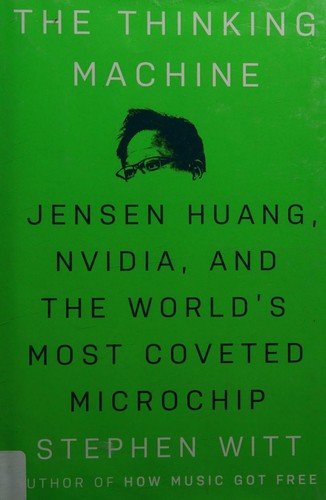
The story of NVIDIA and Jensen Huang: how a video-game card company ended up making the most coveted resource on the planet.
As an Amazon Associate, Zendoric earns from qualifying purchases; the price does not change for you. · all our recommended books →
IBM has unveiled a sub-nanometer semiconductor technology development explicitly aimed at artificial intelligence workloads. A note of transparency with the reader is in order: from the announcement we can only confirm that fact, so here you will find no performance figures, product names or manufacturing roadmaps that are not verified. We prefer to report well what we know rather than fill gaps with invented details.
That said, the direction of the move is what is truly significant. For years it was repeated that transistor miniaturization was reaching its physical ceiling, but the pressure of AI has once again turned nanoelectronics into a strategic battlefield. Training and running inference on ever-larger models requires not only more chips, but chips that do more for every watt consumed. That is where an advance at the smallest scale of silicon stops being a laboratory curiosity and becomes an economic lever.
That it is IBM taking the step is no accident either. The company has spent decades operating as a benchmark laboratory in materials research and transistor architectures, often ahead of the commercial phase. Its historical role has been to demonstrate what is physically possible so that the industry can later industrialize it. Read this way, the announcement fits a tradition: marking the next technical milestone before the market fully needs it.
The calm reading is that the physical infrastructure of AI is receiving the same attention and investment that the model layer once monopolized almost exclusively. The future of artificial intelligence will not be decided solely in the algorithms, but also in the nanometers. For the reader who wants the verified technical detail, the sensible thing is to turn to IBM's official statement or to specialized coverage, where the figures arrive corroborated.
📚 Go deeper

Semiconductors as the oil of the 21st century: history, espionage, and why an island of 23 million people underpins the entire AI economy.
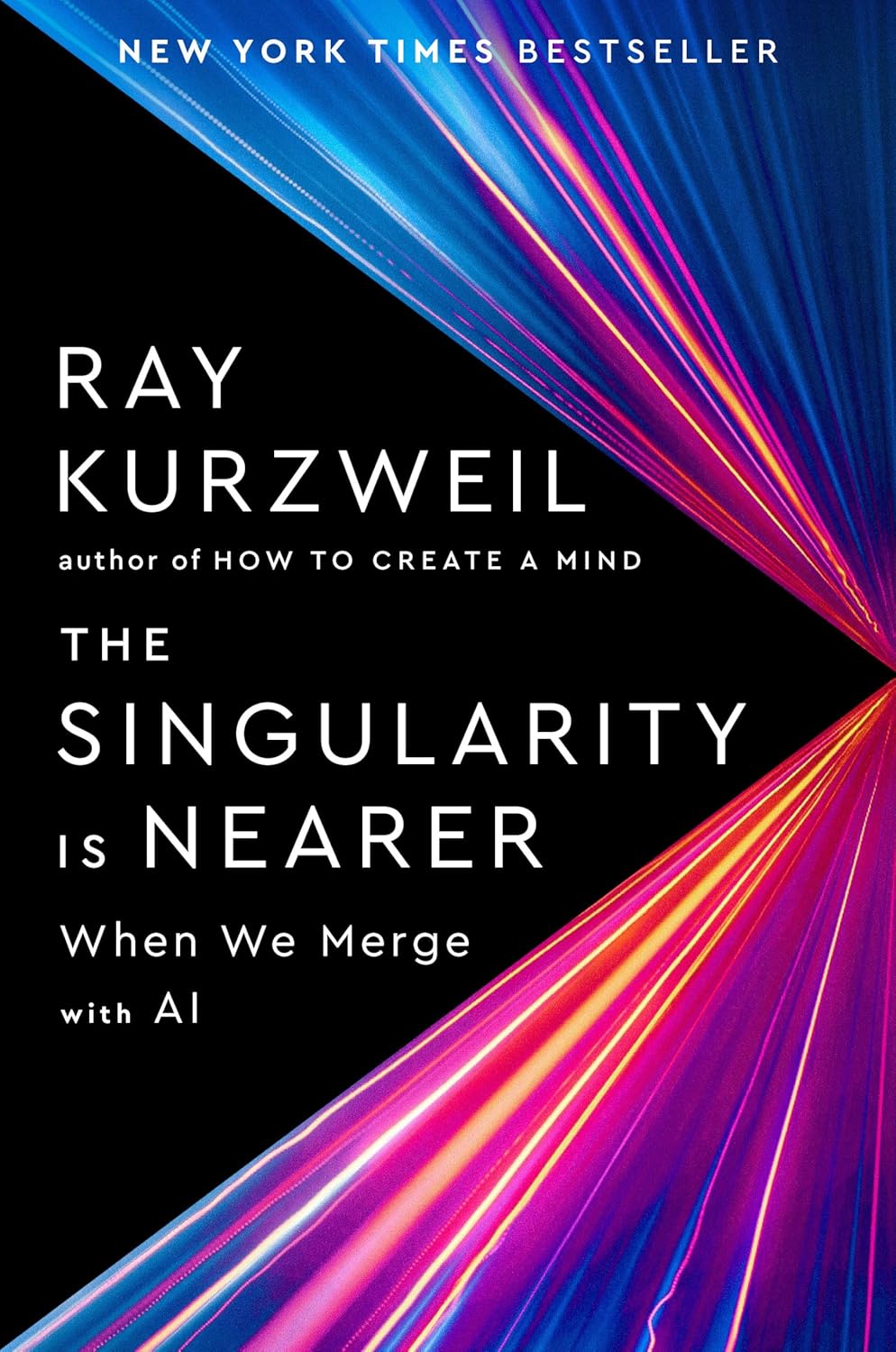
Twenty years after "The Singularity Is Near", Kurzweil revisits his predictions and keeps the date: human-AI merger around 2045.
As an Amazon Associate, Zendoric earns from qualifying purchases; the price does not change for you. · all our recommended books →
🔗 Related on Zendoric
- Anthropic points the finger at Alibaba: the AI frontier is starting to defend itself with lawyers, not just code · 2026-06-25
- Monday.com lays off 20% of its workforce (around 630 employees) to refocus the company on AI · 2026-07-24
- Barrancabermeja adds AI drones to its urban surveillance, but the announcement doesn't say what that artificial intelligence does · 2026-08-31