Anthropic points the finger at Alibaba: the AI frontier is starting to defend itself with lawyers, not just code

🕒 Published on Zendoric: June 25, 2026 · 09:00
✨ AI-generated · how it's made
According to the Financial Times, Anthropic accuses Alibaba of having gained 'unlawful' access to its Claude model. Beyond the headline —paywalled and with no confirmed details— the episode illuminates an underlying trend: frontier models have become assets that their creators no longer protect with passwords alone, but with the threat of litigation.
📚 Go deeper
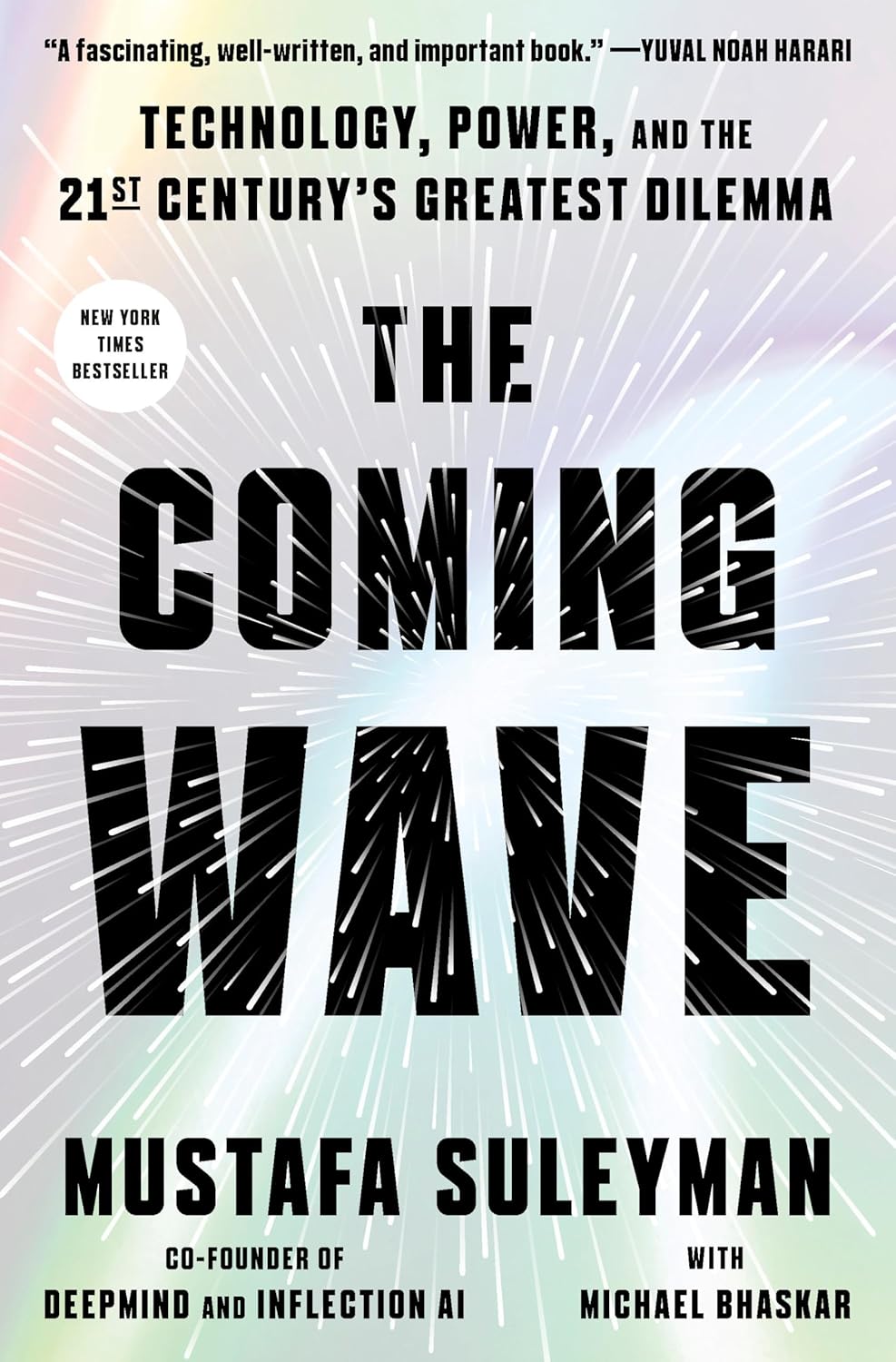
DeepMind co-founder on the dilemma of containing technologies that do not want to be contained.
As an Amazon Associate, Zendoric earns from qualifying purchases; the price does not change for you. · all our recommended books →
It is worth starting with what we know and what we don't. According to a report by the Financial Times in its FirstFT newsletter, Anthropic has reportedly accused Alibaba of 'illicitly' accessing Claude. The article is restricted to subscribers and it has not been possible to verify its full content, so the mechanism, the scope and the eventual legal consequences of that access remain unconfirmed. Any claim about culpability would, as of today, be premature: this is an attributed accusation, not a proven fact.
That said, the choice of the word 'illicitly' in the headline itself is significant. It does not describe a simple breach of the terms of use —something routine in the API business—, but rather conduct that, in Anthropic's reading, would cross a more serious legal or ethical threshold. That distinction matters, because it marks the difference between managing a customer who abuses a service and confronting what a company perceives as the misappropriation of its technology.
The case, whatever its outcome, fits into a recognizable pattern. Throughout 2025 and 2026, friction has grown between Western labs and Chinese competitors over the unauthorized use of models: OpenAI has publicly denounced attempts at massive extraction of its own, and much of the sector has tightened access controls and terms of service. The logic is understandable. Training a frontier model costs hundreds of millions; replicating its behavior through distillation techniques based on its responses can cost a tiny fraction. When value is concentrated in a model's weights and in its observable behavior, the security perimeter ceases to be solely technical and becomes legal as well.
There is a constructive reading here that deserves to be underscored without falling into alarmism. That Anthropic —a company founded in 2021 by former OpenAI employees and backed by Amazon and Google— resorts to the language of the 'illicit' indicates that the industry is maturing toward clearer rules about what constitutes legitimate competition and what does not. Alibaba, with its Qwen family of models, is a solid player with its own technology, and nothing published allows the outcome to be presumed. But the mere fact that these limits are being discussed openly, and where appropriate before the courts, is preferable to a gray area where anything goes.
For the reader who wants the fine detail —whether there is a formal lawsuit, notification to regulators or an official response from Alibaba—, the primary source is the Financial Times itself. What is worth retaining here is the underlying shift: in the era of frontier models, protecting intellectual property has become as strategic as building it.
📚 Go deeper
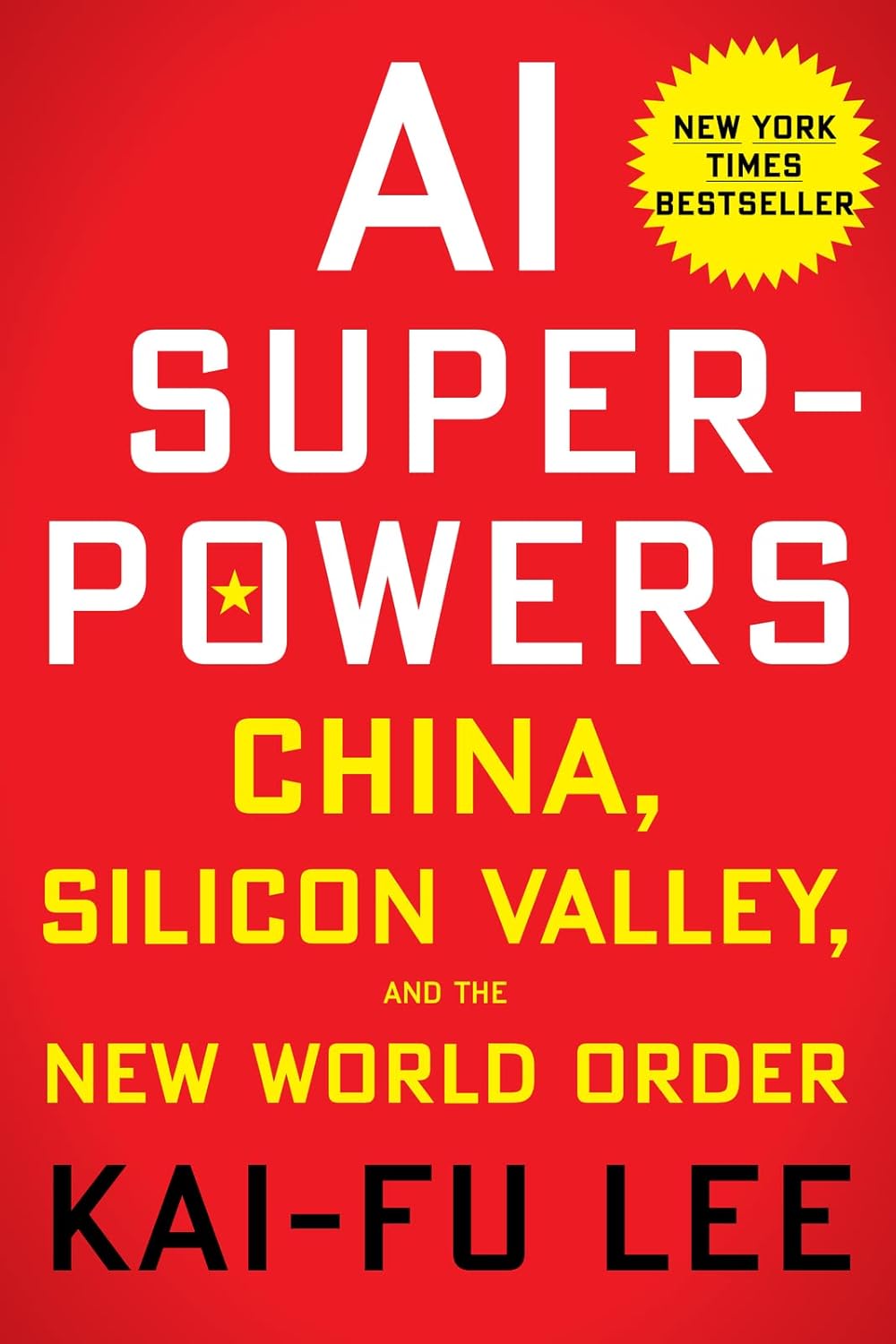
China vs.
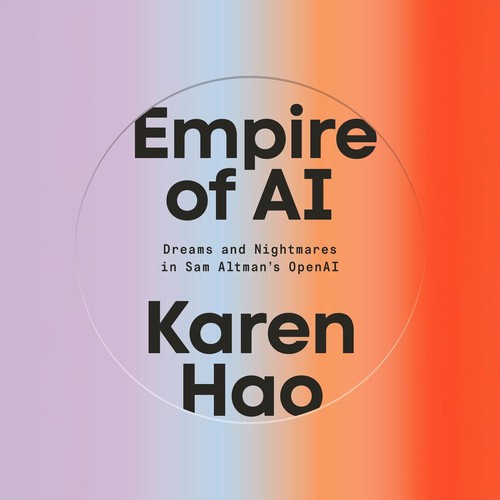
The definitive piece of investigative journalism on OpenAI: 260+ interviews, the clash between safety and speed, and the attempted firing of Sam Altma
As an Amazon Associate, Zendoric earns from qualifying purchases; the price does not change for you. · all our recommended books →
🔗 Related on Zendoric
- Anthropic, both accuser and accused: the complaint against Alibaba lands amid a regulatory storm · 2026-06-26
- Industrial-scale 'distillation' turns the API into a geopolitical battleground · 2026-06-27
- The deal Anthropic is negotiating with Washington reopens an uncomfortable question: how do you control the export of something that travels in a file · 2026-06-27
Sources & references
- Financial Times — Anthropic points the finger at Alibaba: the AI frontier is starting to defend itself with lawyers, not just code
- Seeking Alpha / Bloomberg — The new frontier of tech espionage is not the chip, it's the API: Anthropic accuses Alibaba of 'distilling' Claude
- WFMY News 2 — Cone Health brings AI into the cardiac operating room: when planning, not just diagnosis, starts leaning on algorithms