Stallone's AI paradox: embrace the 'avalanche,' but tell young actors to find another career
🕒 Published on Zendoric: October 25, 2026 · 00:08
✨ AI-generated · how it's made
Sylvester Stallone says Hollywood can't stop AI and must get on board, even though he admits critics are right. In the same interview, he advised young actors, including his own daughter, to look at other professions. That contradiction sums up how AI is hitting creative work.
📚 Go deeper

The best starting book if you're not technical: a Wharton professor explains how to work WITH AI — when to delegate, when to supervise, when to keep i
As an Amazon Associate, Zendoric earns from qualifying purchases; the price does not change for you. · all our recommended books →
Sylvester Stallone, 80, defended the use of artificial intelligence in filmmaking and said its advance can't be stopped. He spoke on the podcast The Overlap, hosted by former footballers Gary Neville and Roy Keane, as reported by La República. "Their complaints are correct," he said of the creative community. "But we can't stop this. It's an avalanche. It's out of our control. If you don't get on board, it will run you over."
The actor has already tested where the line is. He wanted to use AI to play a teenage John Rambo in a prequel about the character's origins. His plan combined human performances with technology that would digitally de-age his own face. "I wanted to create a half-human, half-AI character, and of course everyone went crazy," he said. The idea went nowhere. The prequel, directed by Jalmari Helander, cast Noah Centineo as the young soldier. Stallone will serve as executive producer and won't appear on screen. He cited The Irishman and Indiana Jones and the Dial of Destiny as earlier films that used digital de-aging. He also warned: "Everyone is selling their image. Soon there will be 20 Elvis Presley avatars."
The most telling part came next. Stallone told aspiring actors they had chosen "the hardest profession in the world," and that AI will make it harder. He said he gave his daughter Scarlet Rose Stallone, also an actress, the same advice: "Please, go into video games."
**Our reading.** Stallone puts into plain words a pattern we see across every sector. AI first protects people who already have a name and erodes the bottom rung of the ladder. The established star can license his likeness, produce, and decide. The newcomer competes with digital doubles and recreated performances. It is the same squeeze we described in law, where the firm's pyramid narrows at the base. Here it is the casting pyramid. His fatalism also deserves pushback. "It's out of our control" is not entirely true. Rules on image rights, consent, and pay for digital doubles are decided by people, and they will determine whether the avalanche crushes performers or carries them. In the short term, we expect a tougher entry into the profession and pressure on supporting roles. In the long term, if tools cut production costs, more stories can get made by more people. That only works if the industry treats each performer's image as an asset they own, not one that can be taken. Stallone's advice to his daughter is not an escape from the creative world. It is a move toward a medium where technology and talent are already used to working together.
📚 Go deeper

How opaque algorithms decide who gets credit, a job or parole — and why they tend to punish the same people.
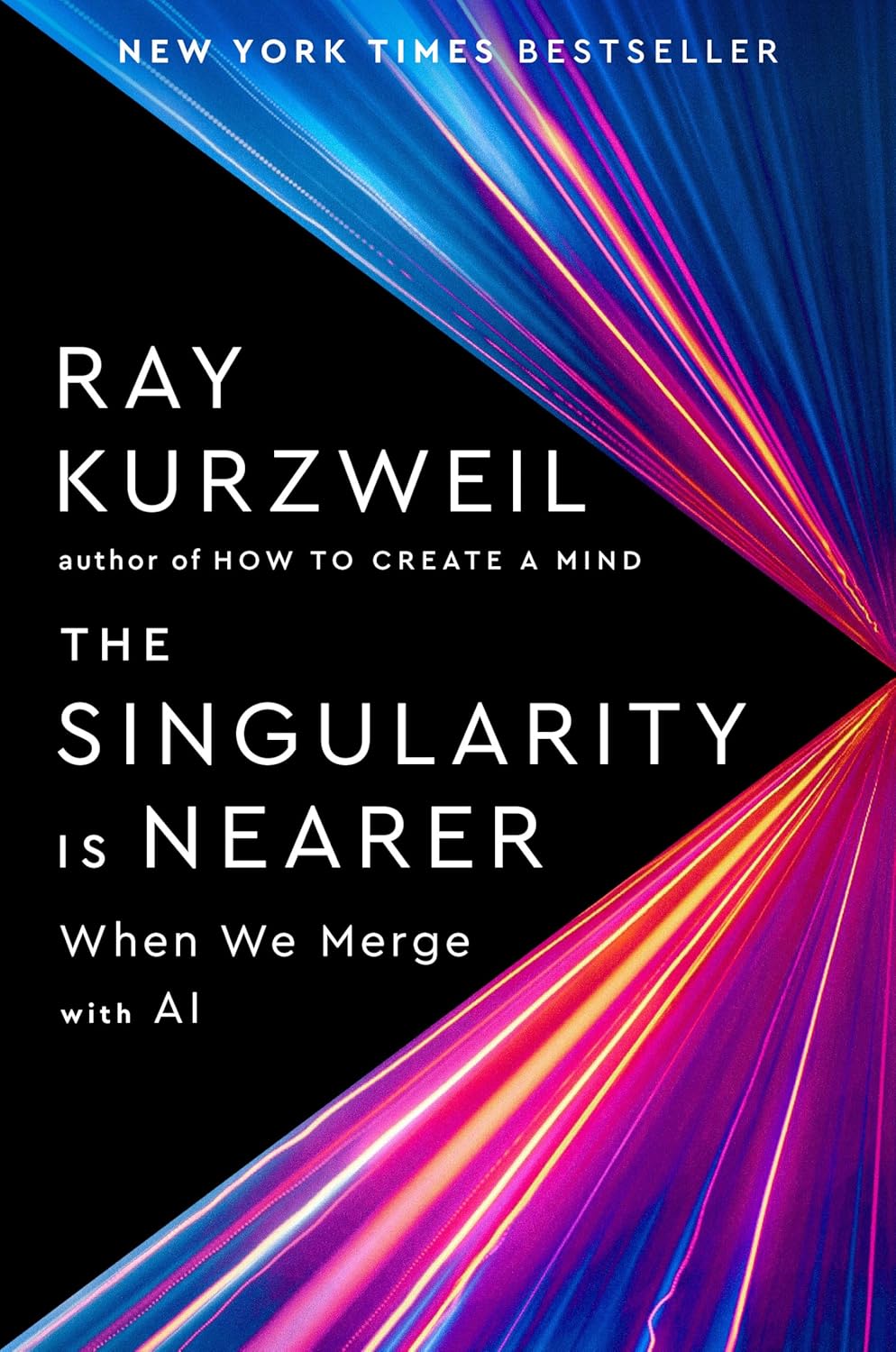
Twenty years after "The Singularity Is Near", Kurzweil revisits his predictions and keeps the date: human-AI merger around 2045.
As an Amazon Associate, Zendoric earns from qualifying purchases; the price does not change for you. · all our recommended books →
🔗 Related on Zendoric
- Stallone gives in to AI in film: he's right that it won't be stopped, but beginning actors will pay the price · 2026-10-24
- Norway's 'read first, prompt later' rule is the right instinct, even if the framing is blunt · 2026-06-25
- Hasbro Asking Young Peppa Pig Actors to License Their Voices to AI Tests Where Consent Should Start · 2026-06-27