Norway's 'read first, prompt later' rule is the right instinct, even if the framing is blunt

🕒 Published on Zendoric: June 25, 2026 · 09:00
✨ AI-generated · how it's made
Norway reportedly moved to keep AI out of young children's hands until they master reading and writing. Calling it a "ban" oversimplifies a sound developmental principle worth defending.
📚 Go deeper
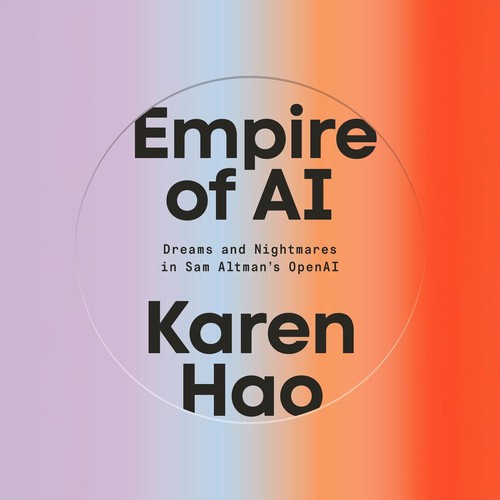
The definitive piece of investigative journalism on OpenAI: 260+ interviews, the clash between safety and speed, and the attempted firing of Sam Altma
As an Amazon Associate, Zendoric earns from qualifying purchases; the price does not change for you. · all our recommended books →
Norway has reportedly decided to restrict artificial intelligence for young children, with the rationale that they should first learn to read and write. The stated logic is developmental: foundational literacy before powerful shortcuts.
The context is a growing global anxiety about what happens when children outsource cognition before building it. Reading, writing and the slow work of forming one's own sentences are not obstacles AI removes; they are the very skills that make later AI use meaningful rather than dependent.
The impact, if the policy holds, is a deliberate sequencing of childhood: protect the years when the brain builds its core scaffolding, then introduce tools that amplify an already-capable mind. The risk is that a blunt "ban" framing becomes a permanent fear rather than a temporary gate.
Our reading: we are optimists about AI, and that is precisely why we welcome this. Abundance is not the same as readiness. A child who can read, reason and write owns the tool; a child who never learned is owned by it. Short term, societies will fumble the rules and overcorrect in both directions. Long term, the future we want is one where AI handles drudgery so humans can pursue what they love, and that future is only available to people whose minds were allowed to form first. Norway is protecting the foundation, not the past.
📚 Go deeper
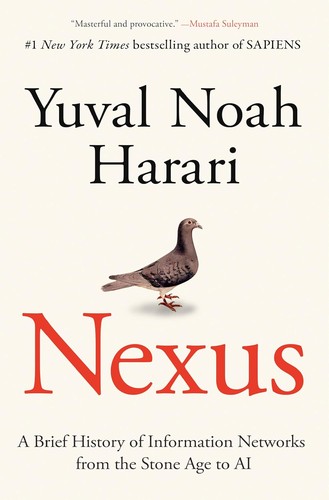
AI as the latest chapter in the history of information networks, from gossip to the printing press to the algorithm.
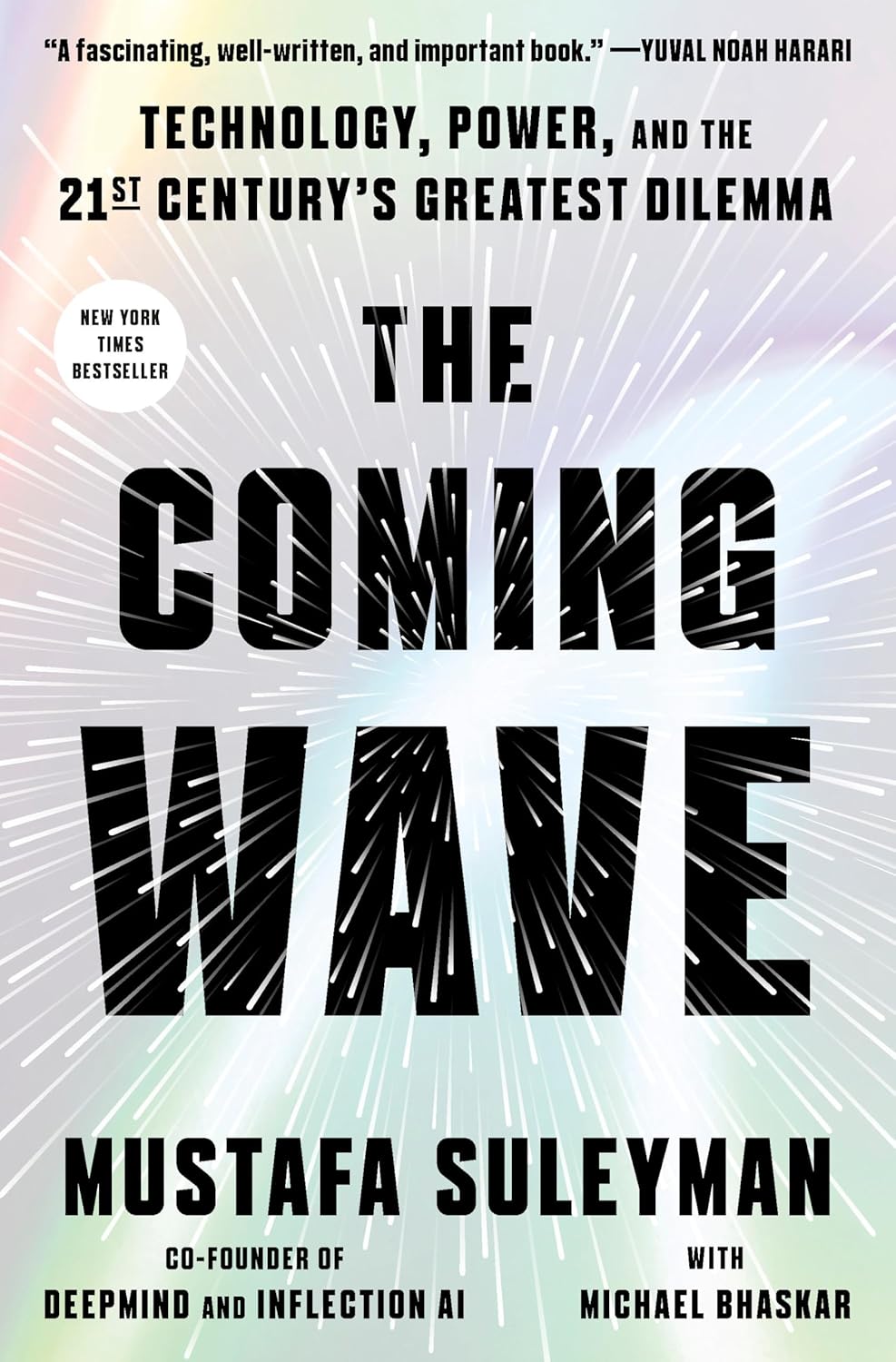
DeepMind co-founder on the dilemma of containing technologies that do not want to be contained.
As an Amazon Associate, Zendoric earns from qualifying purchases; the price does not change for you. · all our recommended books →
🔗 Related on Zendoric
- When AI layoffs boomerang: firing first and automating later is a management failure, not an AI one · 2026-07-27
- California swaps speculation for data: its AI job tracker finds no automation layoffs · 2026-06-27
- Meta Cuts 8,000 Jobs Then Downplays AI Fears: The Contradiction Workers Notice · 2026-07-01