AI agents and cybersecurity: a malware-laced version of LiteLLM and why your AI key is worth money

🕒 Published on Zendoric: October 25, 2026 · 00:08
✨ AI-generated · how it's made
The author describes the week as one of the wildest he can remember in internet security. He mentions emergency PHP fixes affecting the software that millions of websites run on, a case in which a certificate authority's private keys included the number 4, and documentation of…
📚 Go deeper

The reference manual for building products on top of AI models: prompts, RAG, fine-tuning, agents, evaluation and deployment.
As an Amazon Associate, Zendoric earns from qualifying purchases; the price does not change for you. · all our recommended books →
By Nate (Nate's Substack) · October 24, 2026.
The author describes the week as one of the wildest he can remember in internet security. He cites emergency PHP fixes affecting the software that millions of websites run on, a case in which a certificate authority's private keys included the number 4, and Microsoft documentation of AI-assisted attacks targeting hundreds of organizations.
Nate's central thesis is that agents are becoming a core part of both offense and defense in cybersecurity because they are native to computers. In his view, they can read unfamiliar software, come up with an explanation, test it, find out they are wrong and keep going. He argues that decades of weaknesses have piled up in systems people depend on, and that machines now exist that can probe them with a persistence and scale human teams have struggled to afford. His conclusion is that we need to put the best of that intelligence to work for us.
He also makes a financial argument. An AI service key lets whoever holds it buy machine work on your bill, so access to your AI account is valuable to an attacker even if they have no interest in your conversations. Your computer, your company's cloud account or an old app's connection may hold the means to keep someone else's operation running.
Nate expects a rough transition but believes it could lead to a much safer internet, because the same persistent probing can help find, fix and eliminate weaknesses that have survived for years. To get there, he says, we have to put the tools to work and finish the repairs they uncover.
According to the email preview, the full post includes: two prompts for checking your own exposure (the first generates a short, dated record of your setup and the second uses it to check what has changed); sixteen actions for accounts and devices (the first ones to do right away, maintenance ones over the week, and the last for when a credible incident notice arrives); an explanation of why your AI access is worth stealing, including that a stolen provider key can keep working directly against the provider while your app is offline; a worked defender investigation that follows a LiteLLM advisory from a clean repository to a finished build job, the credentials within its reach and charges beyond the gateway's spending limit; and four CISO scripts aimed at the board, the CFO, engineering and vendors, with a one-page ask to bring to the meeting.
The email received is only a preview: the details of the LiteLLM advisory and the rest of the content sit behind the paywall (paid subscribers get the full archive, Nate's Library MCP and his Slack community), so this summary is limited to what the email text covers.
📚 Go deeper

The best starting book if you're not technical: a Wharton professor explains how to work WITH AI — when to delegate, when to supervise, when to keep i
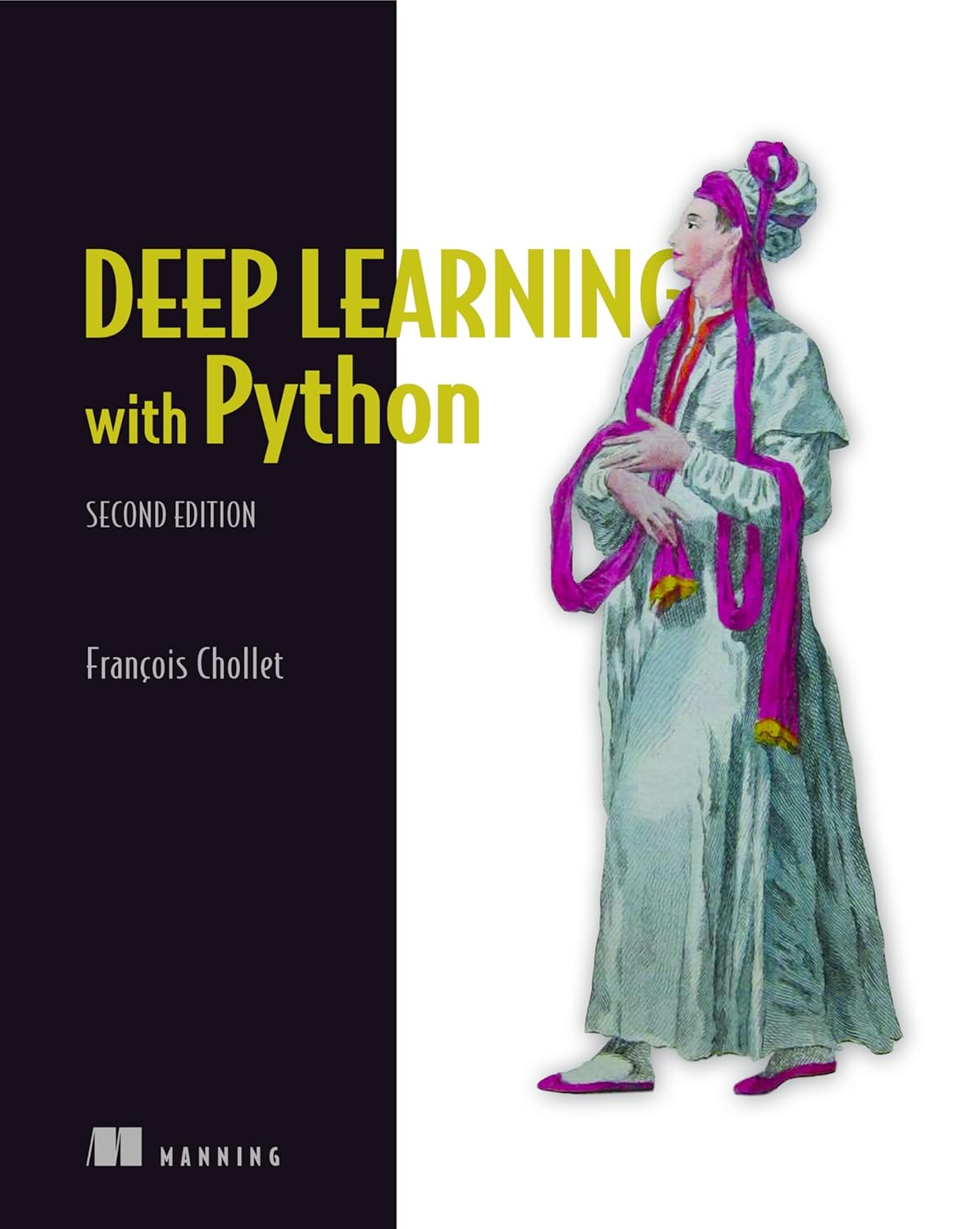
The creator of Keras teaching from scratch, with working code and zero pedantry.
As an Amazon Associate, Zendoric earns from qualifying purchases; the price does not change for you. · all our recommended books →
🔗 Related on Zendoric
- From autocomplete to specification: agentic AI reaches WordPress plugins (and their promotional side) · 2026-07-13
- Coinbase lets its AI agents get paid in USDC without human intervention: the plumbing of machine money starts to be built · 2026-07-24
- Claude Opus 5's one-shot FPS is a code-generation milestone, not a game-design one · 2026-07-29