Claude Opus 5's one-shot FPS is a code-generation milestone, not a game-design one

🕒 Published on Zendoric: July 29, 2026 · 00:34
✨ AI-generated · how it's made
A demo shows Claude Opus 5 writing complete first-person shooters in a single pass — code, 3D models, textures and interaction systems included, with no external assets. That last detail is the real story: the model isn't gluing pre-made pieces together, it's authoring them as code. Our thesis: this is a leap in software synthesis, not proof that AI can design a game worth playing.
📚 Go deeper
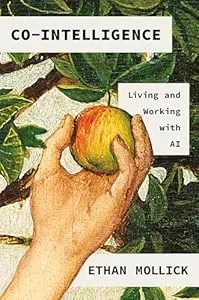
The best starting book if you're not technical: a Wharton professor explains how to work WITH AI — when to delegate, when to supervise, when to keep i
As an Amazon Associate, Zendoric earns from qualifying purchases; the price does not change for you. · all our recommended books →
The claim, as reported: Claude Opus 5 was shown producing complete FPS games — first-person shooters — in a single pass, generating its own custom code along with 3D models, textures and interaction systems, without pulling in external assets. "Single pass" means no visible loop of a human debugging, correcting and re-prompting; "no external assets" means nothing was fetched from an art library.
That second condition is what separates this from earlier demos. Plenty of tools can wire together pre-made sprites and physics packages. Generating the geometry and materials procedurally — as code the model wrote itself — means the whole artifact, from the render of a wall to the logic of a hit registration, is being synthesized rather than assembled. It is a different and harder problem.
The honest caveats, because the material doesn't answer them: we have a demonstration, not a benchmark. There are no independent playtests cited, no performance figures, no evidence about how the approach holds up as scope grows from a level to a game, and no indication of how many attempts sat behind the successful one. Capability shown in a demo and capability you can ship on are different things, and the gap between them is where most AI announcements quietly live.
What it plausibly changes in the short term is the economics of prototyping. Gray-boxing — the rough, ugly, playable version you build to find out whether an idea is fun — is exactly the kind of high-effort, low-creativity implementation work that AI eats first. If that collapses from weeks to minutes, the scarce resource in a studio moves decisively toward taste, direction and design judgment. That is good news for people who have those things and pressure on roles defined mainly by implementing someone else's spec.
Our read: don't mistake the milestone for the finish line. Nothing here suggests the model knows what makes a shooter feel good — the hardest part of the craft — and we'd be sceptical of anyone selling it that way. But the underlying capability, turning an intent into a working, self-contained artifact in one go, is the same capability that eventually compresses a research pipeline, a diagnostic tool or a piece of scientific software. That is the long-term thread worth tracking: not that AI will make our games, but that the distance between having an idea and holding a working version of it is shrinking fast. The transition will be uneven and uncomfortable for some jobs. The destination — more people able to build the thing they actually care about — is one we'd take.
📚 Go deeper
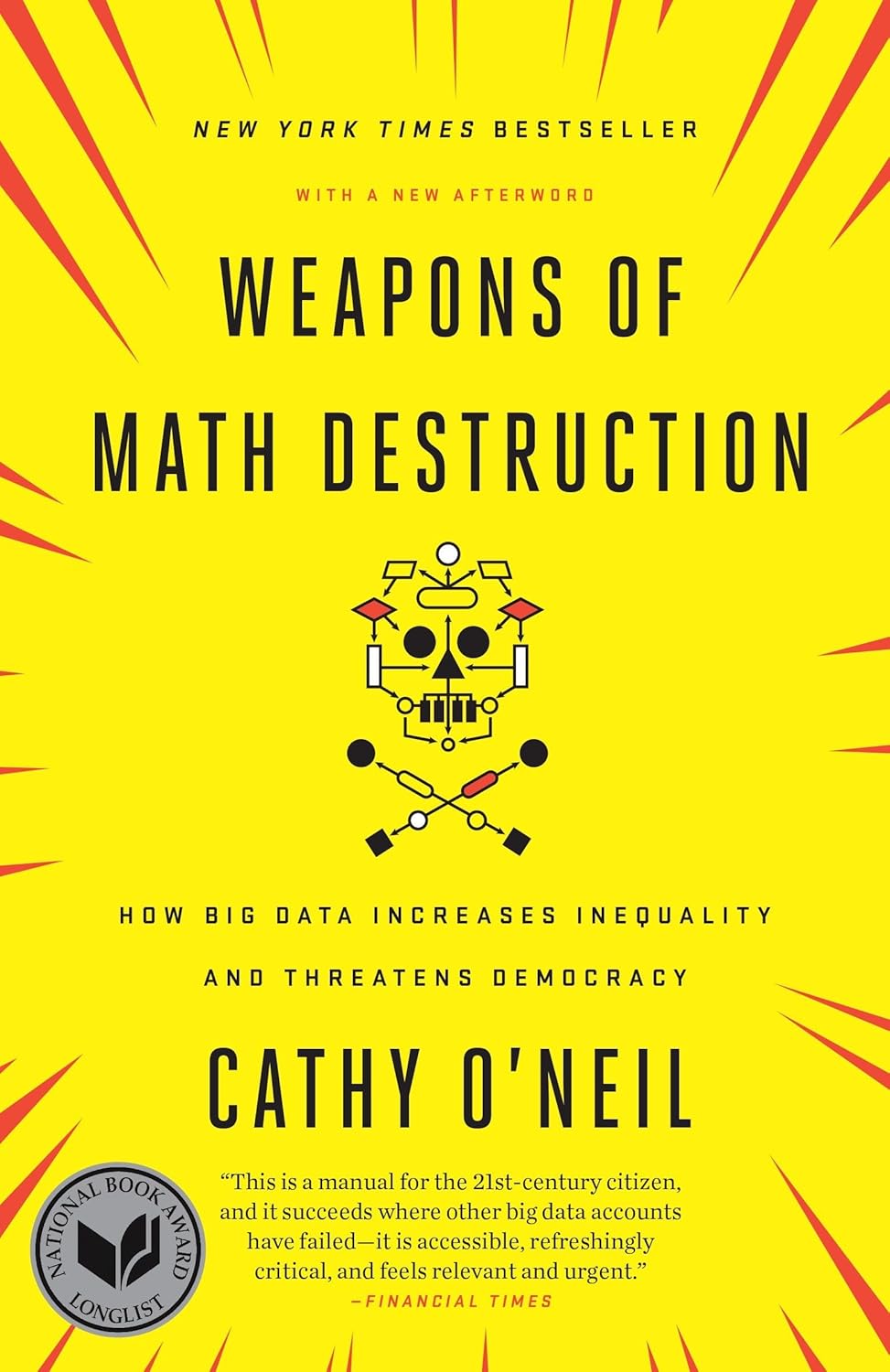
How opaque algorithms decide who gets credit, a job or parole — and why they tend to punish the same people.
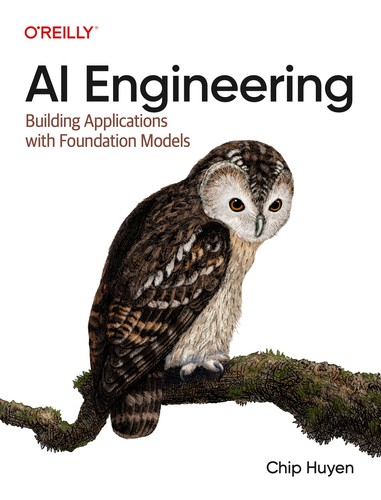
The reference manual for building products on top of AI models: prompts, RAG, fine-tuning, agents, evaluation and deployment.
As an Amazon Associate, Zendoric earns from qualifying purchases; the price does not change for you. · all our recommended books →
🔗 Related on Zendoric
- Anthropic's platform squeeze: when your model supplier ships your product, trust becomes a pricing input · 2026-07-29
- AI's new bottleneck isn't in the model: it's in what we're able to imagine for it · 2026-06-24
- Anthropic points the finger at Alibaba: the AI frontier is starting to defend itself with lawyers, not just code · 2026-06-25