AI looks for DNA repair defects in ovarian cancer from tissue images
🕒 Published on Zendoric: October 22, 2026 · 00:19
✨ AI-generated · how it's made
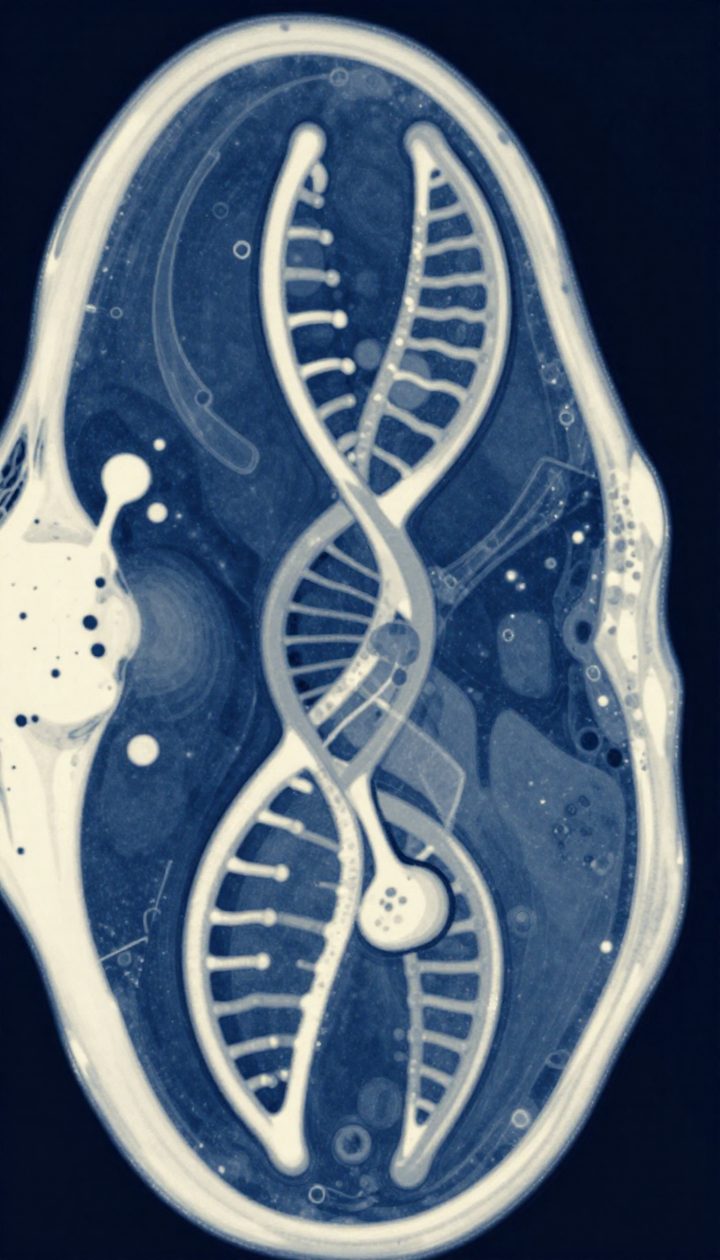
According to Medical Xpress, an AI model detects signs of defective DNA repair in ovarian cancer by analyzing tissue images. If confirmed, it could make patient screening for targeted therapies cheaper and faster.
📚 Go deeper

The only novel on the list, by a Nobel laureate: an artificial friend observes humans with a blend of lucidity and innocence no essay achieves.
As an Amazon Associate, Zendoric earns from qualifying purchases; the price does not change for you. · all our recommended books →
By Medical Xpress · October 21, 2026.
Medical Xpress reports on an artificial intelligence model that detects signs of defective DNA repair in ovarian cancer. It does so from images of tumor tissue. We only have the headline and the feed description. We have not been able to review the study, so we cannot give accuracy figures, sample size, the authoring team or whether the model has undergone external validation.
As context for the field: in ovarian cancer, tumors with DNA repair defects tend to respond better to certain targeted therapies, such as PARP inhibitors. Finding out which patients have them currently requires genetic testing, which costs money and takes weeks. A tissue slide already exists at any hospital treating the patient.
Our take: this line of work is among the most promising in medical AI. It does not replace the doctor or invent a treatment. It extracts from an ordinary image molecular information that until now required a separate analysis. If it withstands validation at different hospitals, it could bring precision medicine closer to centers with fewer resources.
There is a reasonable caveat. Digital pathology models tend to perform worse when the scanner, the lab or the patient population changes. Until the data is available, this is a signal of capability, not a clinic-ready tool. In the long run, this combination of imaging, genetics and algorithms is part of the path toward treating cancer in a far more personalized and earlier way. It is a small piece of that trend, and it should be judged by its validation, not by the headline.
📚 Go deeper
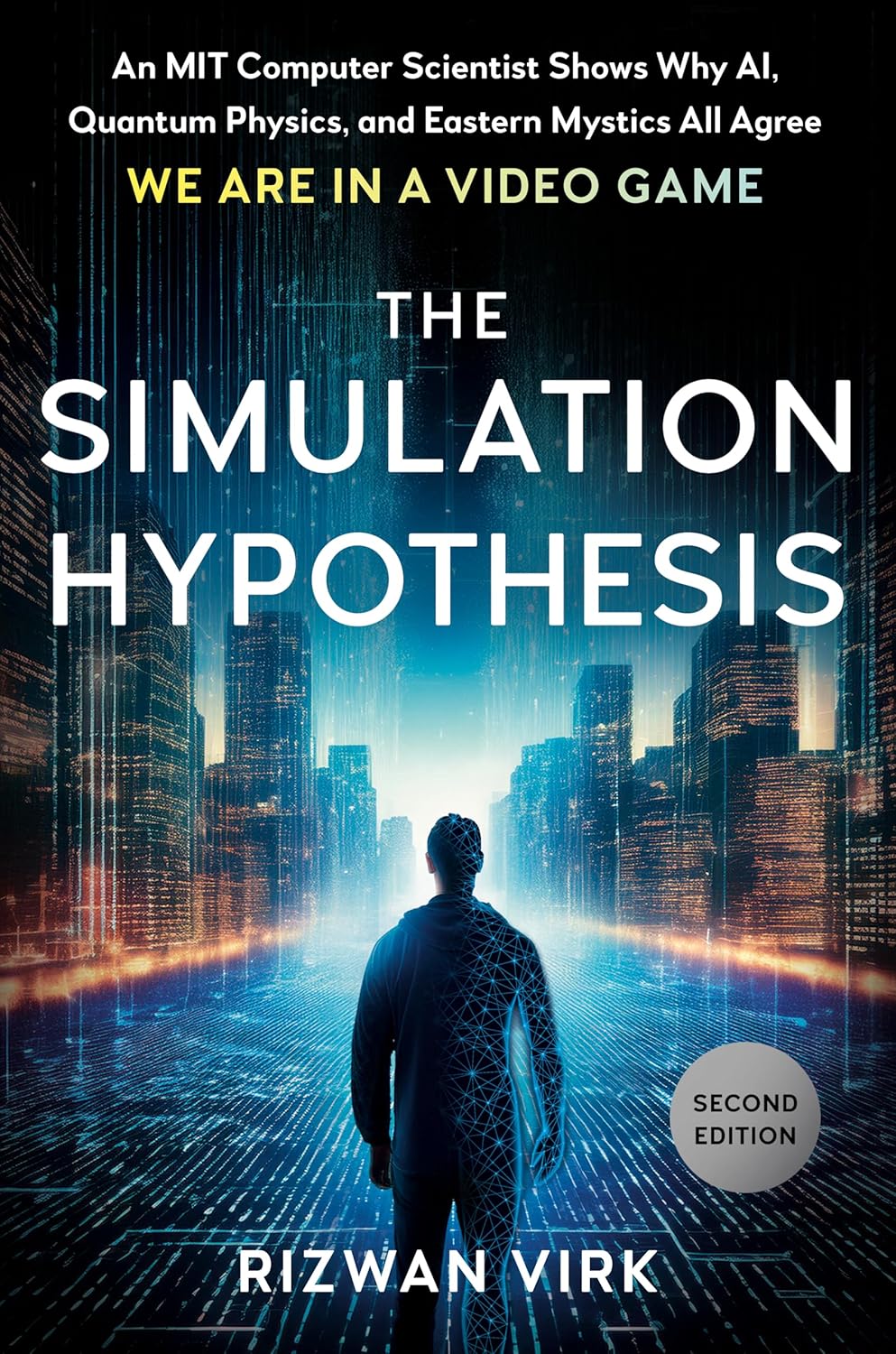
An MIT computer scientist connects AI, quantum physics and video games to take an uncomfortable question seriously: what if we live in a simulation? M

The memoir of the creator of ImageNet, the scientist who made the deep learning revolution in vision possible.
As an Amazon Associate, Zendoric earns from qualifying purchases; the price does not change for you. · all our recommended books →
🔗 Related on Zendoric