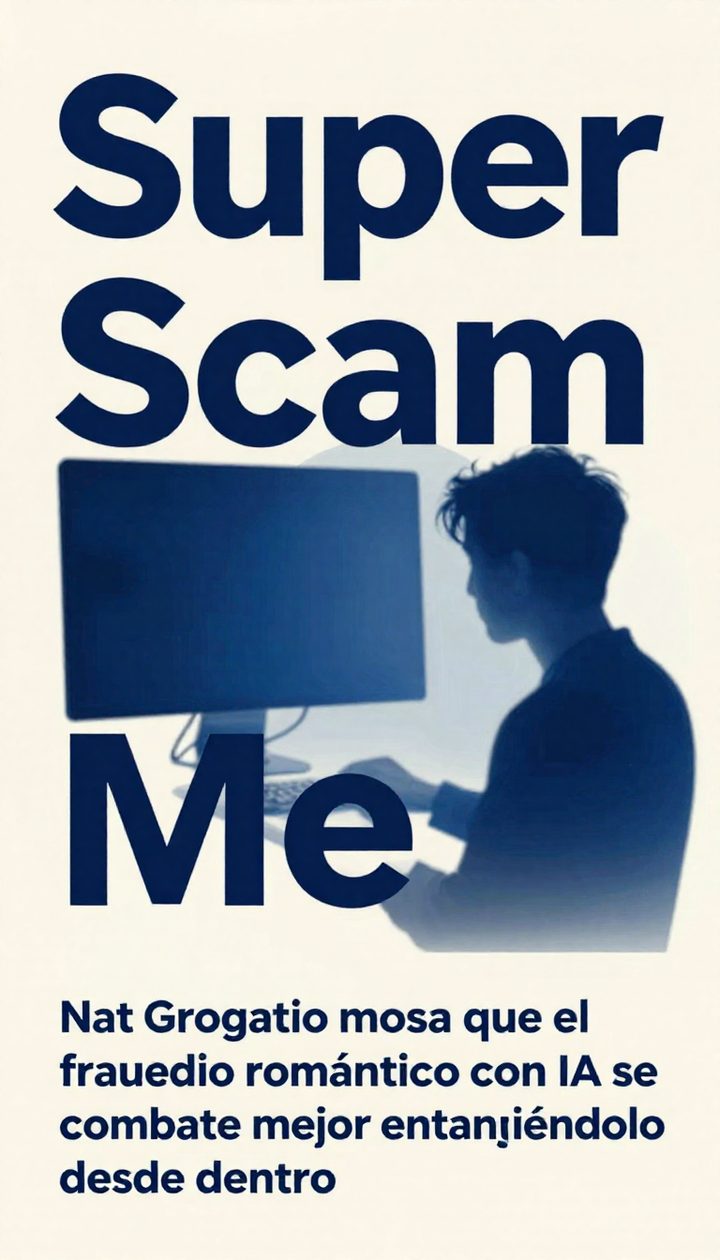
"Super Scam Me": Nat Geo shows that AI romance fraud is best fought by understanding it from the inside
🕒 Published on Zendoric: October 17, 2026 · 00:23
✨ AI-generated · how it's made
Nat Geo premieres "Super Scam Me," a documentary in which an undercover journalist exposes herself to AI-powered romance scammers, advised by a hacker. The format matters: watching the deception unfold live teaches more than any warning.
📚 Go deeper

How opaque algorithms decide who gets credit, a job or parole — and why they tend to punish the same people.
As an Amazon Associate, Zendoric earns from qualifying purchases; the price does not change for you. · all our recommended books →
By Innovation & Tech Today and How-To Geek · October 16, 2026.
National Geographic has released "Super Scam Me", a documentary about romance scams. According to interviews published by Innovation & Tech Today and How-To Geek, an undercover journalist deliberately makes herself a target for scammers who use artificial intelligence. A hacker helps her and explains how they operate.
The available material is limited. We have only the headline and the descriptions of two interviews, not their full content. For that reason, we are not going into figures, specific cases or technical details from the documentary. We would rather run a short piece than pad it out with guesswork.
What we can say is why the approach matters. Romance fraud is generally one of the most damaging kinds of fraud because it exploits emotional trust, not a technical flaw. Generative AI (systems that produce human-like text, voice and images) makes the scammer's key task cheaper: keeping up believable, personalized conversations with many victims at once.
In our view, "putting yourself in the victim's shoes" is one of the few approaches that works against this crime. Traditional awareness campaigns tend to fail because the people who fall for scams don't see themselves as someone "who could fall for it." Watching the deception unfold in real time while an expert takes it apart teaches people the warning signs: urgency, isolation and requests for money.
There is also a broader near-term lesson. Agentic and generative AI are industrializing fraud before we see their major benefits. That is an uncomfortable part of the transition, and the answer is not alarm but practical literacy and better detection tools from the platforms.
In the long run, the same techniques used to scam people today could be used to detect deception patterns at scale and protect people. That gap between attack and defense will close only if public education efforts, like this documentary, keep pace with the scammers.
📚 Go deeper

Algorithms in justice, medicine, cars and art, explained with British humor and mathematical honesty.
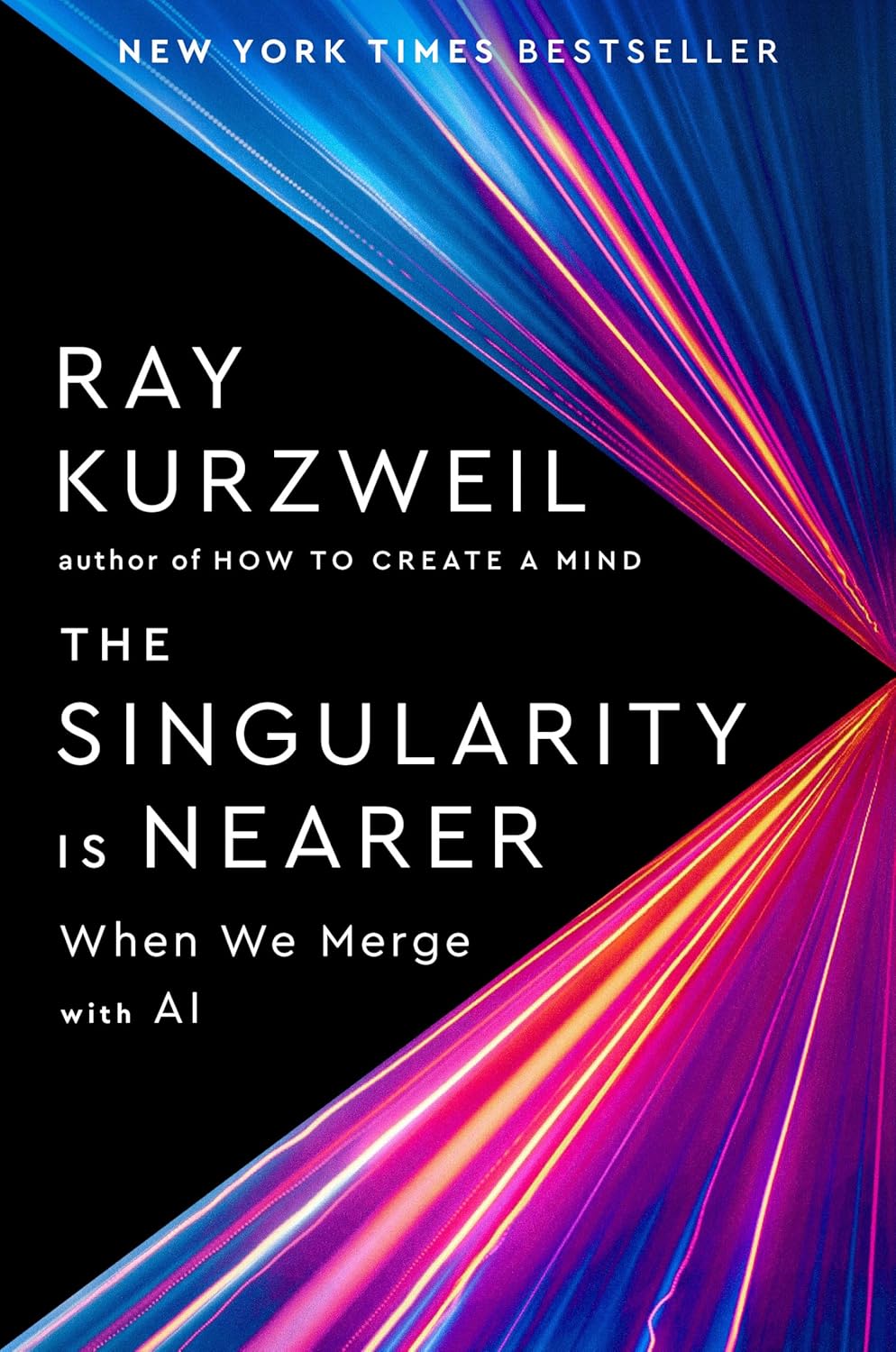
Twenty years after "The Singularity Is Near", Kurzweil revisits his predictions and keeps the date: human-AI merger around 2045.
As an Amazon Associate, Zendoric earns from qualifying purchases; the price does not change for you. · all our recommended books →
🔗 Related on Zendoric