A Deepfake 'Prince' and Real Losses: Romance Scams Enter the Video-Call Era

🕒 Published on Zendoric: July 4, 2026 · 00:29
✨ AI-generated · how it's made
A woman reportedly lost her savings to a scammer using AI-generated video calls impersonating a Dubai prince — a case that shows deepfakes have moved from static images to live, interactive deception.
📚 Go deeper
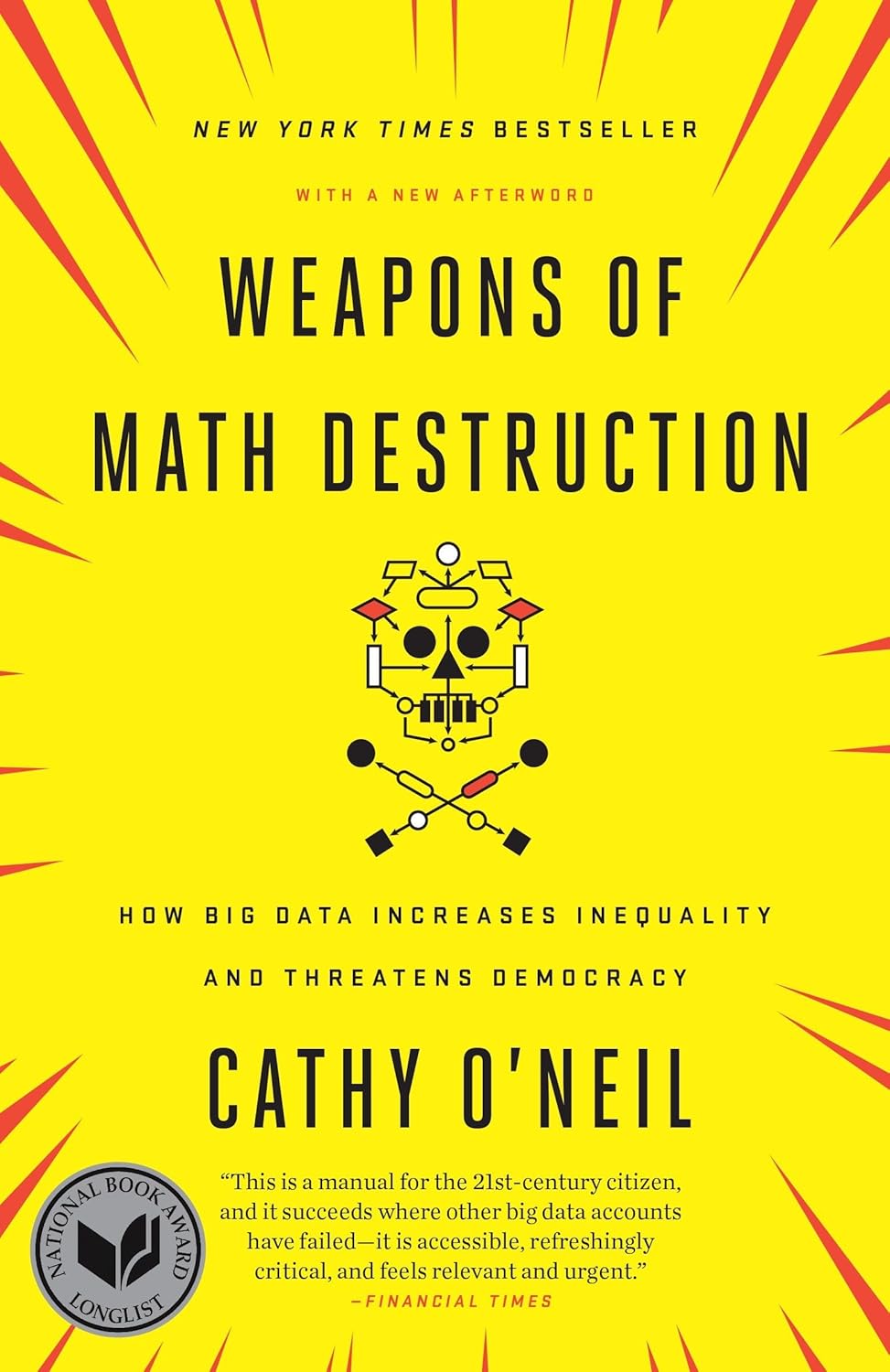
How opaque algorithms decide who gets credit, a job or parole — and why they tend to punish the same people.
As an Amazon Associate, Zendoric earns from qualifying purchases; the price does not change for you. · all our recommended books →
According to reporting, a woman lost her savings after being deceived by an AI-powered romance scam involving intimate video calls with a deepfake persona posing as a 'Dubai prince.' The case marks a meaningful escalation from earlier romance-scam patterns built on text and photos: real-time deepfake video is a much harder illusion to break, because it engages exactly the senses — voice, face, spontaneous reaction — that people instinctively trust as proof of authenticity.
This is the trajectory cybersecurity analysts have been warning about for a while: as generative video tools become cheaper and more convincing, the barrier between 'catfishing' and full synthetic-identity fraud disappears. Financial fraud powered by AI is already projected to grow dramatically over the next several years, and cases like this one are the qualitative face of that quantitative trend — each victim a reminder that the technology's capability is running ahead of most people's intuitive defenses against it.
Our reading: the uncomfortable truth is that verification tools (liveness detection, provenance watermarking, platform-level deepfake screening) are improving too, but they're in an arms race with the fraud tools, not ahead of them. In the near term, the honest answer is public awareness and better bank-side fraud detection, not a technical silver bullet. Longer term, we'd expect the same AI capabilities enabling this fraud to also power the detection systems that neutralize it — the pattern-matching that spots a synthetic face is not fundamentally different from the pattern-matching that generates one. The gap between those two capabilities maturing is where the real damage happens, and closing it faster should be a priority, not an afterthought.
📚 Go deeper
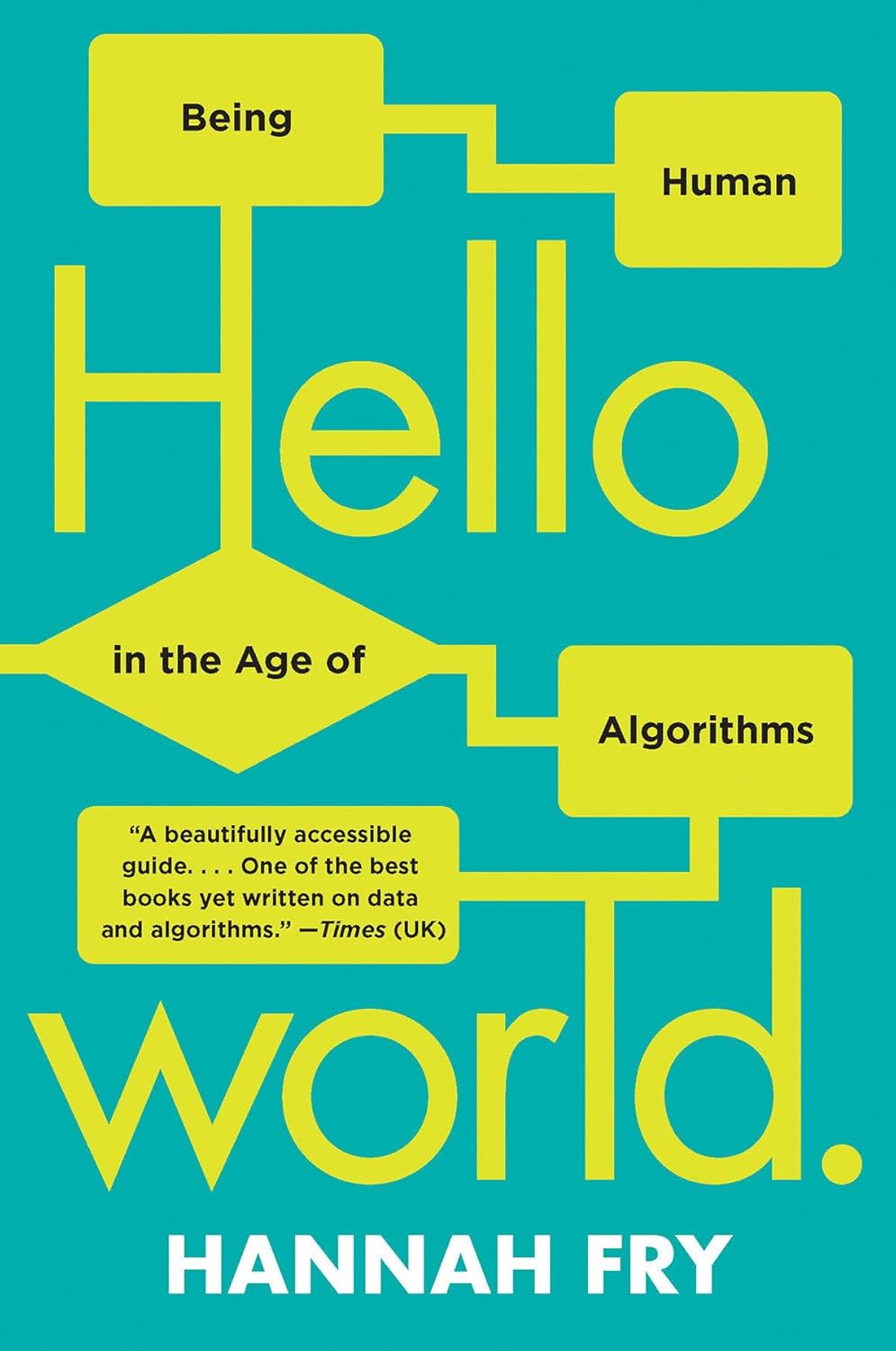
Algorithms in justice, medicine, cars and art, explained with British humor and mathematical honesty.

The best starting book if you're not technical: a Wharton professor explains how to work WITH AI — when to delegate, when to supervise, when to keep i
As an Amazon Associate, Zendoric earns from qualifying purchases; the price does not change for you. · all our recommended books →
🔗 Related on Zendoric
- When the 'Prince' on Video Call Is a Deepfake: AI Just Broke Our Last Trust Test · 2026-07-03
- Deepfake endorsements show how AI turns illegal betting scams into an industrial-scale operation · 2026-07-05
- A fraud hunter tells Congress: deepfakes are already fooling the U.S. government's identity verification · 2026-07-19