A fraud hunter tells Congress: deepfakes are already fooling the U.S. government's identity verification
🕒 Published on Zendoric: July 19, 2026 · 00:04
✨ AI-generated · how it's made
David Maimon, of SentiLink, testified before the House Oversight Committee that AI-generated faces and deepfake video already beat the 'liveness' checks of digital banks and tax firms. His diagnosis is blunt: the U.S. government has neither the tools nor the policies to keep pace with AI-driven fraud.
📚 Go deeper
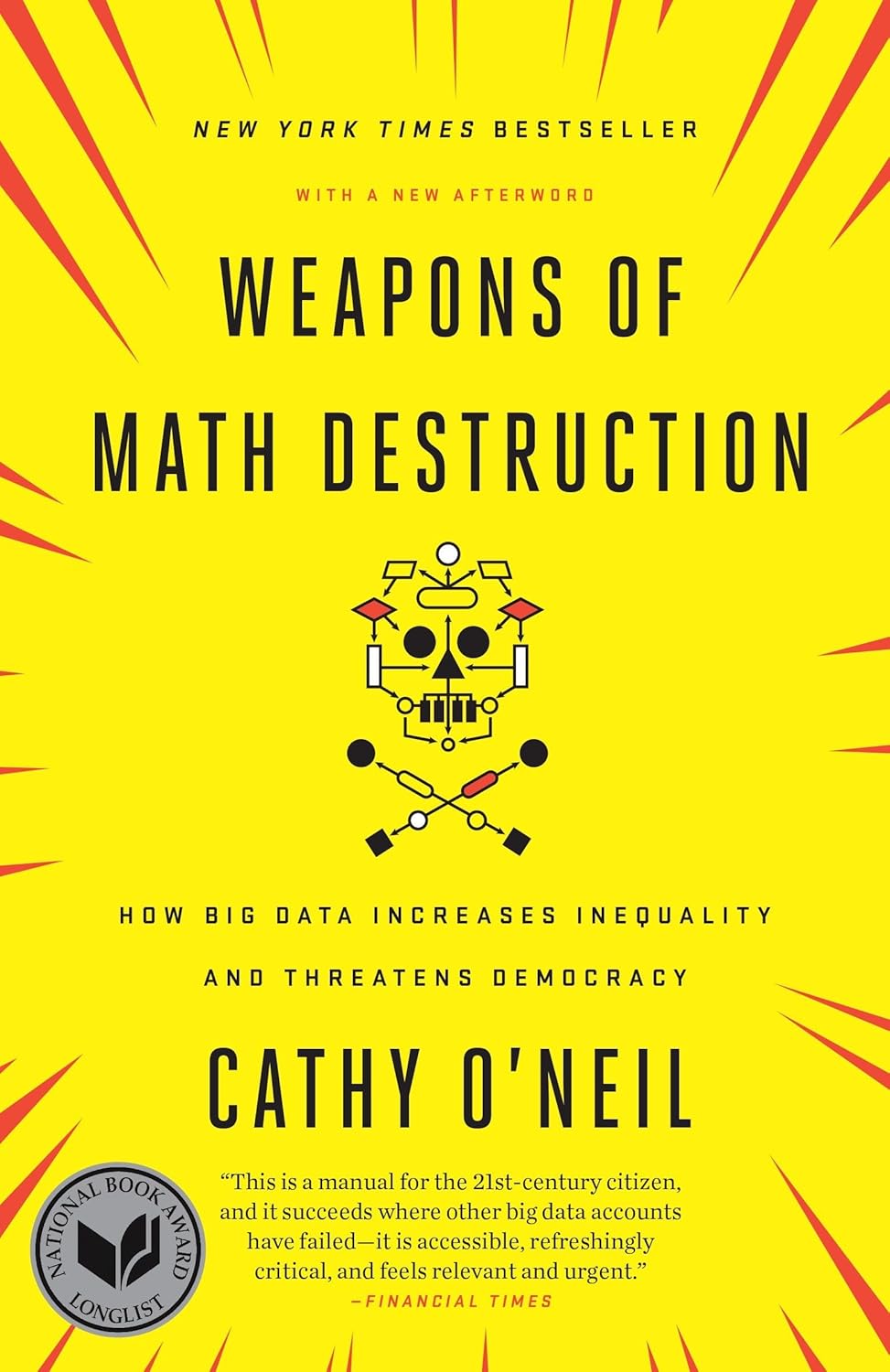
How opaque algorithms decide who gets credit, a job or parole — and why they tend to punish the same people.
As an Amazon Associate, Zendoric earns from qualifying purchases; the price does not change for you. · all our recommended books →
By Fox News · July 18, 2026.
David Maimon, head of Fraud Intelligence at identity verification firm SentiLink, testified on July 15 before the Government Operations Subcommittee of the House Oversight Committee, at a hearing titled "Emerging Fraud Threats and the Evolving Fraud Landscape." His message, as reported by Fox News, was blunt: "We don't have the right tools to deal with fraud. We don't have the right policies. We don't have enough deterrence," said Maimon, who also denounced the lack of close collaboration between the government and the private sector.
The hearing is part of the "war on fraud" that the Trump Administration is waging under the leadership of Vice President JD Vance, focused on strengthening digital identity verification in federal programs. According to Maimon's testimony, organized criminals are already using "AI-generated faces and deepfake video to defeat liveness checks" (the systems that ask for a real-time selfie or video to confirm there is a real person on the other side) at digital banks and tax-filing services. His technical diagnosis is uncomfortable: "It's hard to prove you're not using AI when you verify your identity with documents, liveness checks and selfie images," he stated.
SentiLink, as Maimon explained to Fox News, has managed to infiltrate thousands of dark web and Telegram marketplaces where fraudsters share stolen identities and checks along with tutorials for attacking government programs and financial institutions. In a previous investigation into Medicaid fraud, the public health program for low-income people, his team detected providers who had billed the government nearly 2 million dollars claiming to have staff and caregivers who, when the physical addresses were checked, simply did not exist. His recommendation is to stop relying on images or videos —easily faked with AI tools— and to verify identities against historical data signals, which are harder to fabricate overnight. Despite his company's work, Maimon was categorical about the real scale of the problem: "I think we're barely scratching the surface" of organized fraud.
This piece of congressional testimony confirms a thesis we have been maintaining at Zendoric: the weak point of the AI era is not the intelligence of the model, but the trust infrastructure built around it. Identity verification systems —selfies, liveness checks, scanned documents— were designed for a world where faking a face in real-time video was expensive and difficult. The generation of high-quality synthetic images and video has broken that premise in just a couple of years, and now the burden of proof has been inverted: the honest citizen has to prove they are not a bot, and public agencies, with budgets and procurement cycles far slower than a fraud marketplace on Telegram, are always running behind.
What is relevant here is not only technical, it is institutional. Maimon says it explicitly: fraud is no longer "isolated schemes," but a "durable and specialized criminal infrastructure" that exploits the seams between agencies operating program by program, while organized crime operates across the board. It is the same pattern we already pointed out when discussing agent identity in companies: security does not fail for lack of defensive artificial intelligence, but for lack of governance, traceability and coordination among those who should be sharing that intelligence.
In the short term, the picture Maimon describes is one of uncomfortable honesty and consistent with what we have been warning: generative AI brutally cheapens identity fraud, and institutions —banks, tax agencies, programs like Medicaid— will take years to catch up with controls based on data history rather than easily faked biometrics. That means more diverted public money, more identity theft victims and an arms race between firms like SentiLink and the fraud marketplaces that already use the same generative AI for their own benefit.
But it is worth not losing sight of the bigger picture. This is not a story about AI being intrinsically evil, but about a transitory governance gap: the same technology that generates a convincing deepfake is the one that, properly applied, can analyze historical data patterns at a scale no human inspector could match, exactly what Maimon proposes as a solution. The abundance we champion as a long-term horizon does not arrive on its own: it requires institutions to invest in the same AI capabilities that fraudsters exploit today, and to do so with the urgency this testimony demands. The problem is not the tool, it is who deploys it first and under what rules.
📚 Go deeper
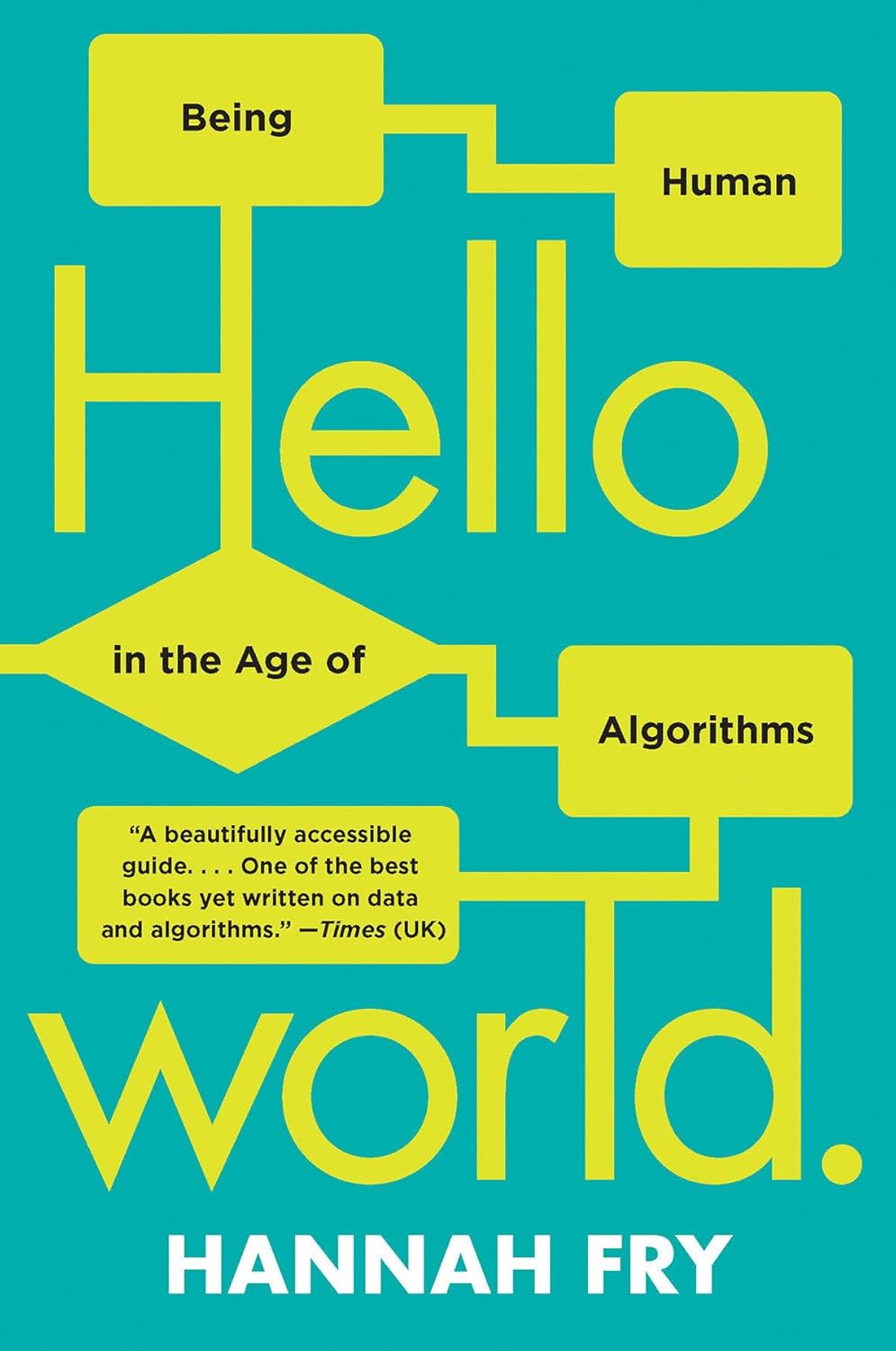
Algorithms in justice, medicine, cars and art, explained with British humor and mathematical honesty.
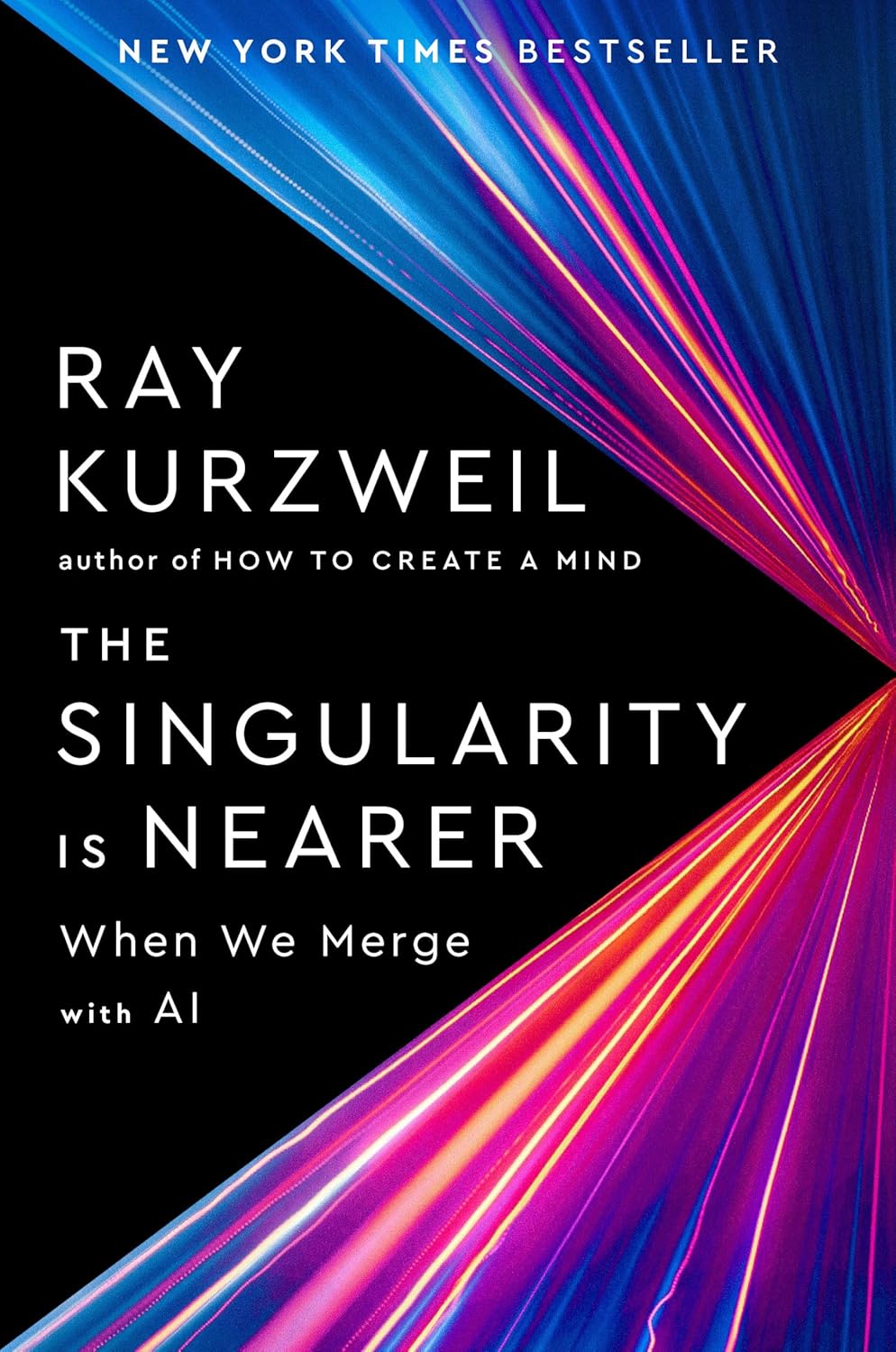
Twenty years after "The Singularity Is Near", Kurzweil revisits his predictions and keeps the date: human-AI merger around 2045.
As an Amazon Associate, Zendoric earns from qualifying purchases; the price does not change for you. · all our recommended books →
🔗 Related on Zendoric