Deepfake endorsements show how AI turns illegal betting scams into an industrial-scale operation

🕒 Published on Zendoric: July 5, 2026 · 04:36
✨ AI-generated · how it's made
Unlicensed offshore casinos QH88 and Nightwin used AI-generated video and fabricated BBC articles to fake endorsements from Bruno Fernandes and Jude Bellingham. It's a small case with a big signal: synthetic media has made impersonation cheap, realistic and nearly unprosecutable.
📚 Go deeper
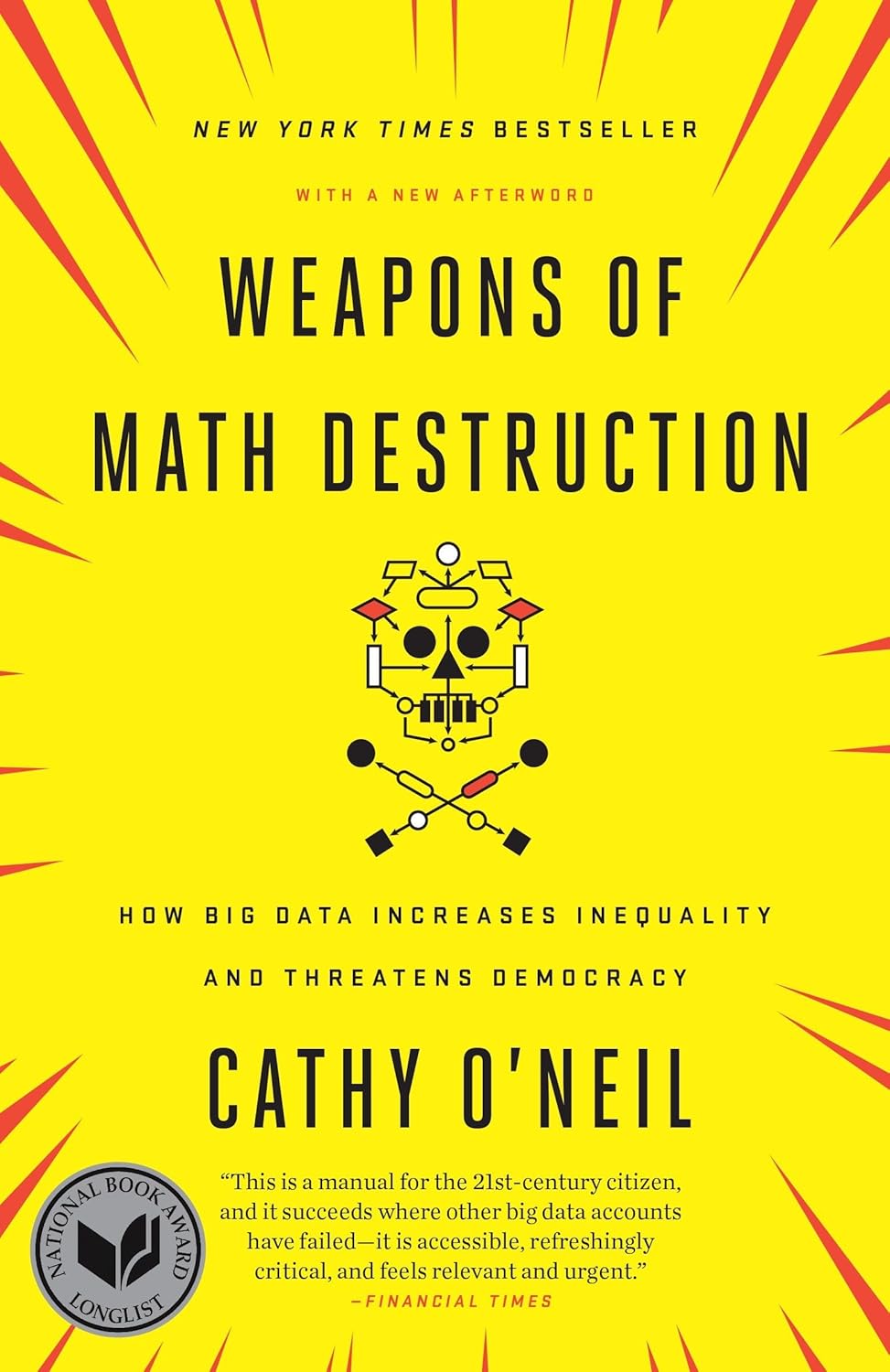
How opaque algorithms decide who gets credit, a job or parole — and why they tend to punish the same people.
As an Amazon Associate, Zendoric earns from qualifying purchases; the price does not change for you. · all our recommended books →
The facts are almost banal in their mechanics and alarming in their execution. Two illegal gambling operators, QH88 (Vietnam-linked) and Nightwin (Curaçao-licensed, unregistered in the UK), fabricated entire promotional campaigns around Manchester United's Bruno Fernandes and Real Madrid's Jude Bellingham. Nightwin bought Instagram ads pointing to a fake BBC story announcing a made-up 'Bellingham Bet' app, complete with a fabricated 4.9/5 rating and over a million invented downloads. QH88 went further, building a dedicated website and commissioning a strikingly realistic AI-generated deepfake video that appears to show Fernandes signing an 'ambassadorial contract' with the brand. Neither player has any real relationship with these operators.
The context matters as much as the incident. Unlicensed betting platforms have long ignored image rights and club trademarks precisely because enforcement against them is close to impossible: they operate through offshore shell structures (Curaçao registries, opaque trustee addresses in Willemstad) designed so that cease-and-desist letters have no one to reach. What's new is the escalation from borrowing a crest to fabricating an active player's endorsement — a line that, under Fifa's ethics code, would end a player's career if it were real. Retired players can legally be 'global ambassadors' for betting brands; active ones like Yerry Mina have been fined for far milder infractions. These scammers didn't ask for permission — they generated the appearance of it.
What this really demonstrates is a cost curve, not a new crime. Impersonating a global athlete used to require actors, studios and legal risk that made it rare. Generative video collapses that cost to a script and a rendering job, while a fake news article and a paid ad slot handle distribution. The Bellingham scam vanished within days — cheap to produce, cheap to take down, cheap to relaunch elsewhere. The Fernandes deepfake was more resourced and more convincing, suggesting operators are already segmenting investment: quick disposable scams for volume, higher-fidelity fakes for brand-defining pushes. That's an industrial logic, not an improvised one.
This sits squarely in the thread we've flagged before: the immediate danger of agentic and generative AI isn't speculative superintelligence, it's the automation of fraud we already understood, now executed at a scale and realism that outpaces both platform moderation and cross-border law enforcement. Anonymous offshore ownership was already a governance gap; AI-generated 'proof' of endorsement is what turns that gap into an active liability for real people who never consented and have almost no recourse — Fernandes can't sue a registry entry in Curaçao.
Our reading is that this is a short-term problem demanding short-term tools, not a reason for fatalism about the technology itself. The same detection techniques — provenance metadata, platform-side deepfake screening, faster takedown cooperation between social networks and sports bodies — are themselves AI-driven, and they are improving. The long-term trajectory of AI still points toward abundance and better tools for everyone, including athletes and fans; but getting there requires exactly this kind of unglamorous, near-term work: verifiable content authentication standards, enforceable cross-border gambling regulation, and platforms treating synthetic-media fraud as seriously as they treat piracy. Until that infrastructure catches up, expect more Bruno Fernandeses finding out about their 'sponsorship deals' from journalists rather than their agents.
📚 Go deeper
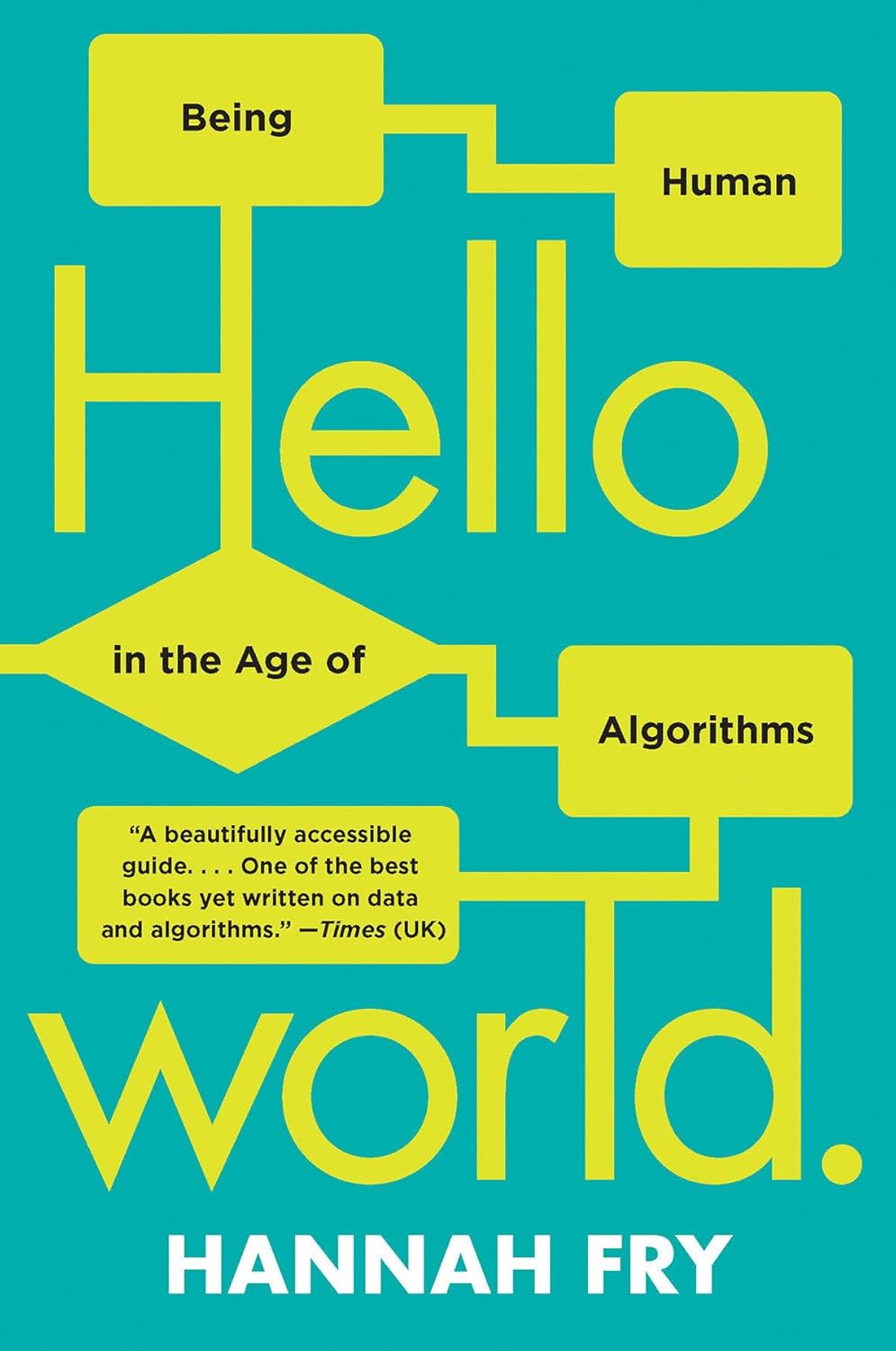
Algorithms in justice, medicine, cars and art, explained with British humor and mathematical honesty.
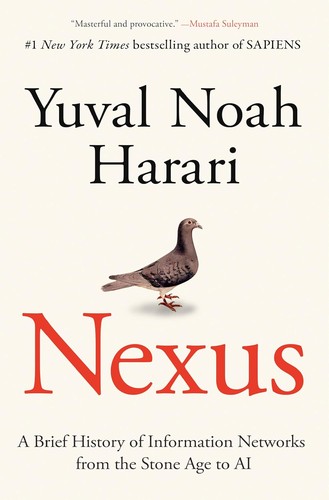
AI as the latest chapter in the history of information networks, from gossip to the printing press to the algorithm.
As an Amazon Associate, Zendoric earns from qualifying purchases; the price does not change for you. · all our recommended books →
🔗 Related on Zendoric