When Grief Meets Generative AI: Spain's Missing-Pet Scam Shows Fraud's New Playbook

🕒 Published on Zendoric: July 3, 2026 · 01:20
✨ AI-generated · how it's made
Spanish police are warning pet owners searching for lost animals about a new AI-enabled scam described as particularly cruel. It's a small, local story that points to a much bigger pattern: emotional vulnerability is becoming the preferred entry point for AI-assisted fraud.
📚 Go deeper
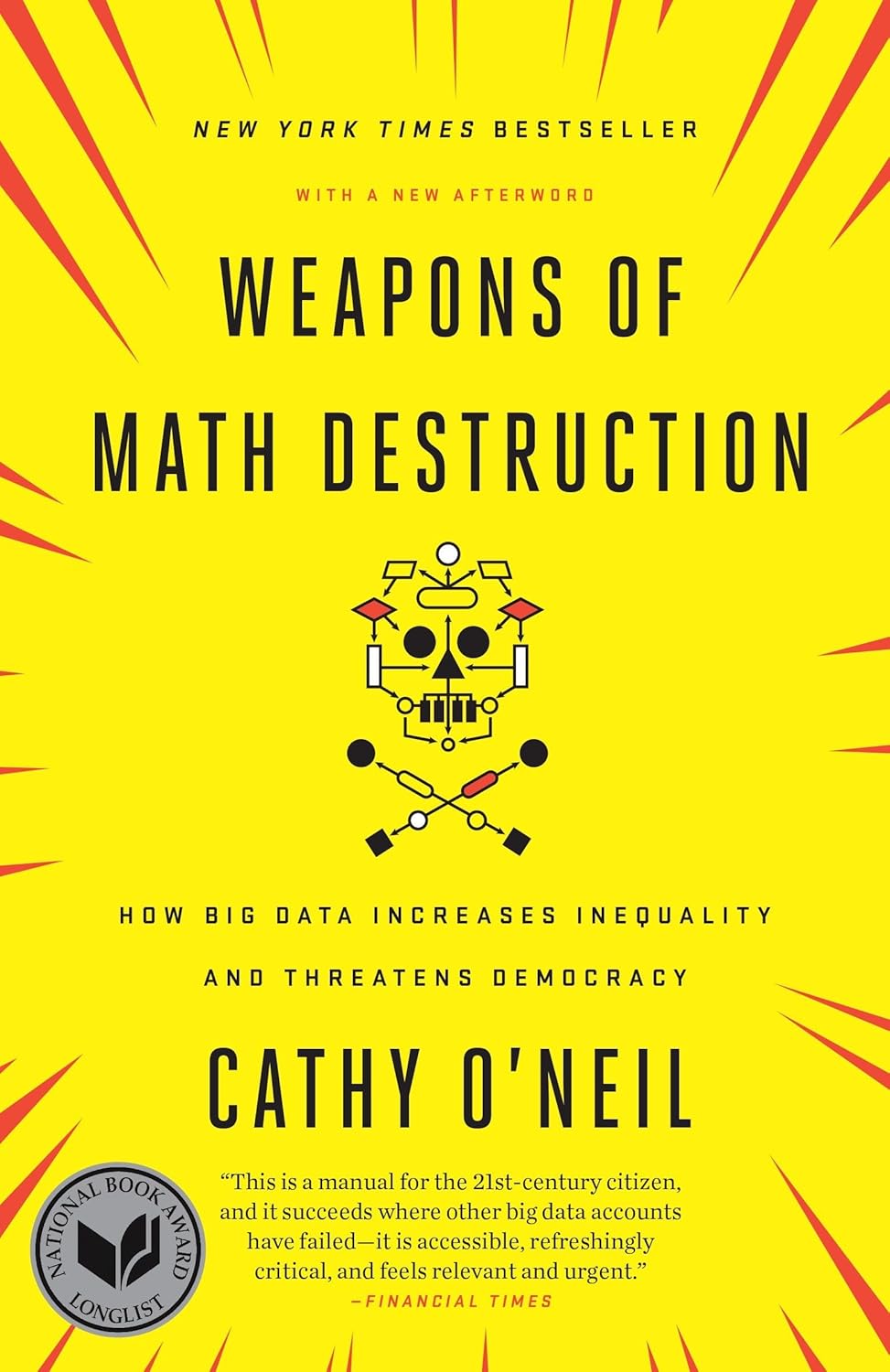
How opaque algorithms decide who gets credit, a job or parole — and why they tend to punish the same people.
As an Amazon Associate, Zendoric earns from qualifying purchases; the price does not change for you. · all our recommended books →
Spanish Police have issued a warning about a scam that exploits owners of missing pets, using AI to make the deception more convincing and, according to the police, notably cruel. The target audience is precisely the group least equipped to apply skepticism in the moment: people desperate to find a lost animal, willing to act quickly on any lead.
This is not an isolated curiosity. It fits a pattern we've tracked closely: generative AI lowers the cost and raises the believability of fraud across every emotional trigger available — romance, grief, financial urgency, and now the anguish of a missing pet. Industry estimates already project AI-enabled financial fraud growing from roughly $23 billion in 2025 to over $58 billion by 2030, a jump of more than 150%. The mechanism is always the same: AI removes the friction that used to make scams detectable — bad grammar, generic photos, implausible timing — and replaces it with something tailored and emotionally precise.
The short-term reality is uncomfortable and deserves no sugarcoating. Law enforcement warnings like this one will become routine, not exceptional, as generative tools get cheaper and more accessible to bad actors, and as verification lags behind fabrication. Every emotionally charged human situation is now a potential attack surface, and the burden of vigilance is shifting onto ordinary people who have neither the time nor the tools to authenticate what they see.
Our reading is that this is exactly the kind of friction that defines the transition period we keep flagging: the same AI capabilities that enable this scam are the ones that will eventually power the detection tools, verification layers, and platform safeguards that neutralize it. Cybersecurity is becoming an arms race where offense and defense share the same underlying technology, and the long-term trajectory favors defense catching up — banks, platforms, and police forces are already building AI-based fraud detection at scale. The pet-scam story is a reminder that the abundance AI promises won't be evenly distributed until the guardrails mature; until then, healthy skepticism toward anything designed to exploit urgency and grief remains the best available defense.
📚 Go deeper
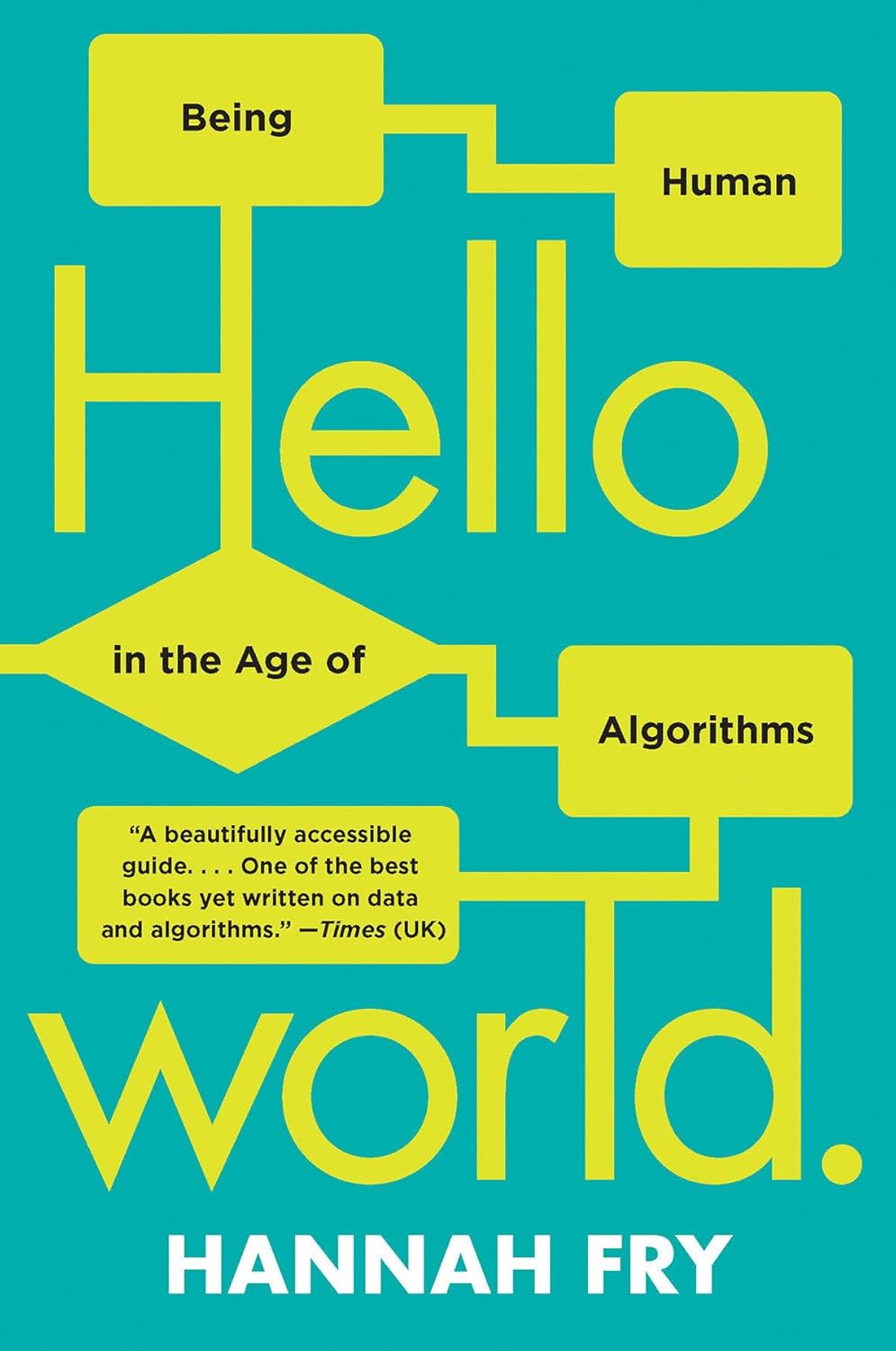
Algorithms in justice, medicine, cars and art, explained with British humor and mathematical honesty.
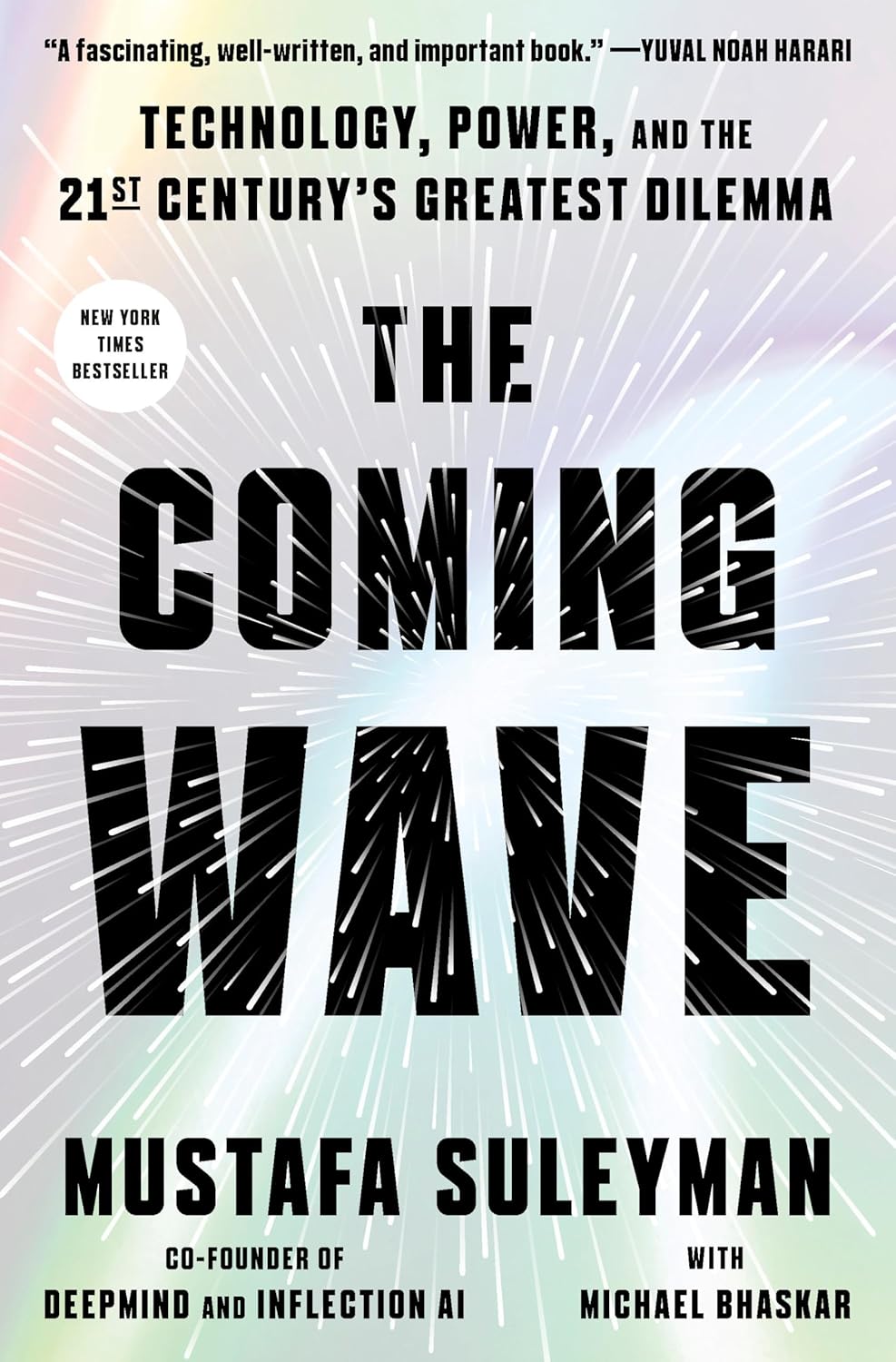
DeepMind co-founder on the dilemma of containing technologies that do not want to be contained.
As an Amazon Associate, Zendoric earns from qualifying purchases; the price does not change for you. · all our recommended books →
🔗 Related on Zendoric
- AI Voice Scams Are Now Preying on People Searching for Their Lost Pets · 2026-07-04
- AI Voice Cloning Fuels Nearly $900M in US Scam Losses, FBI Data Shows — and Georgia Isn't Spared · 2026-07-21
- High school is no longer the ceiling: a self-taught teenager trains AI against head and neck cancer at Penn State · 2026-07-17