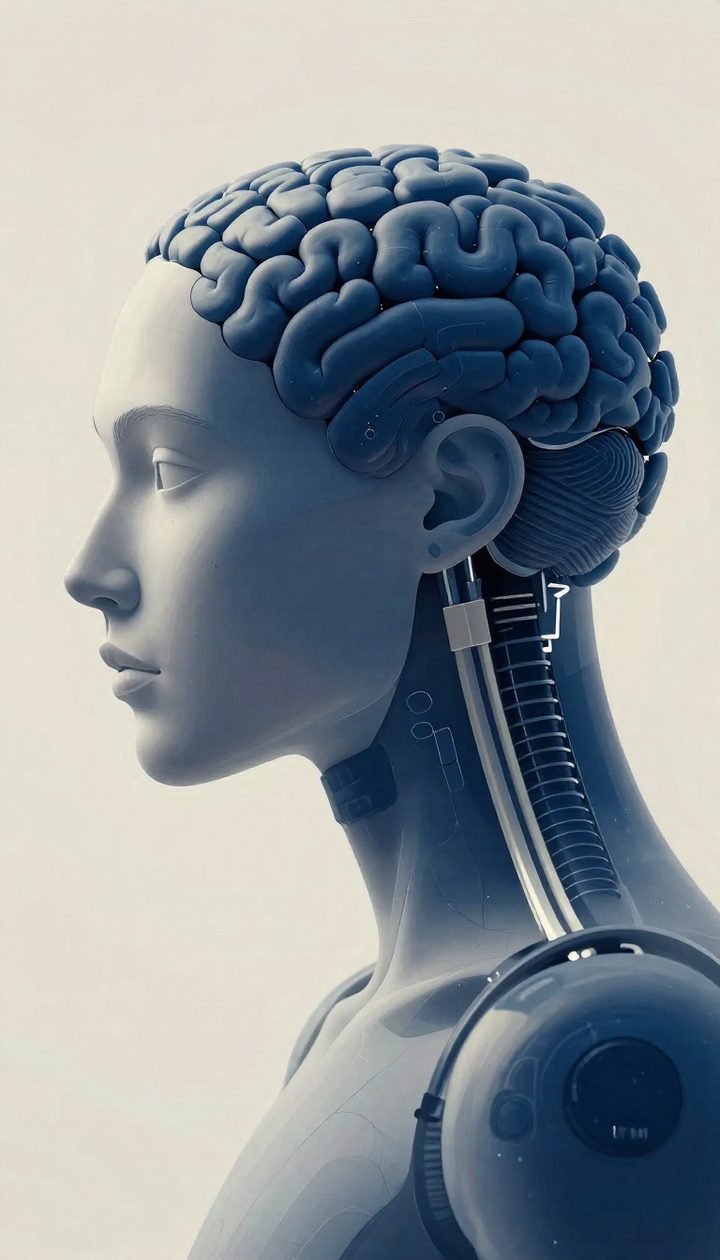
Skild AI bets on a single robot brain for many bodies
🕒 Published on Zendoric: October 17, 2026 · 00:23
✨ AI-generated · how it's made
This issue (#952) of The Sequence Robotics examines Skild AI's bet: that robotic intelligence should be transferable across different types of hardware rather than rebuilt from scratch for each machine.
📚 Go deeper

AI as the latest chapter in the history of information networks, from gossip to the printing press to the algorithm.
As an Amazon Associate, Zendoric earns from qualifying purchases; the price does not change for you. · all our recommended books →
By TheSequence · Fri, 16 Oct 2026 11:04:06 +0000.
This issue (#952) of The Sequence Robotics examines Skild AI's bet: that robot intelligence should be transferable across different types of hardware, rather than rebuilt from scratch for each machine.
According to the email's summary (TL;DR), the company's research ties together three lines of work: motor adaptation, video-prompted task learning and self-play.
The piece opens with a thought experiment: imagine waking up with different legs, your knees bending a different way, your weight shifted, and a command that used to move you forward now moving you sideways. Before doing anything useful, you would have to answer a hard question: which body am I controlling? The email argues that this example captures Skild AI's thesis better than yet another video of a humanoid folding laundry.
The central idea is that the company is trying to separate intelligence from the machine that carries it. Not because bodies are irrelevant, but because understanding one's own body should be something the model learns, not something engineers must specify perfectly in advance. The email frames the company as a bet on the "brain."
The decisive test, according to the TL;DR, is whether these capabilities hold up under the speed, reliability and safety requirements of real-world deployment.
Note: the body of the email received is truncated after the introduction, so no further technical details, figures or results from the full analysis, available on The Sequence's website, are available.
📚 Go deeper

DeepMind co-founder on the dilemma of containing technologies that do not want to be contained.
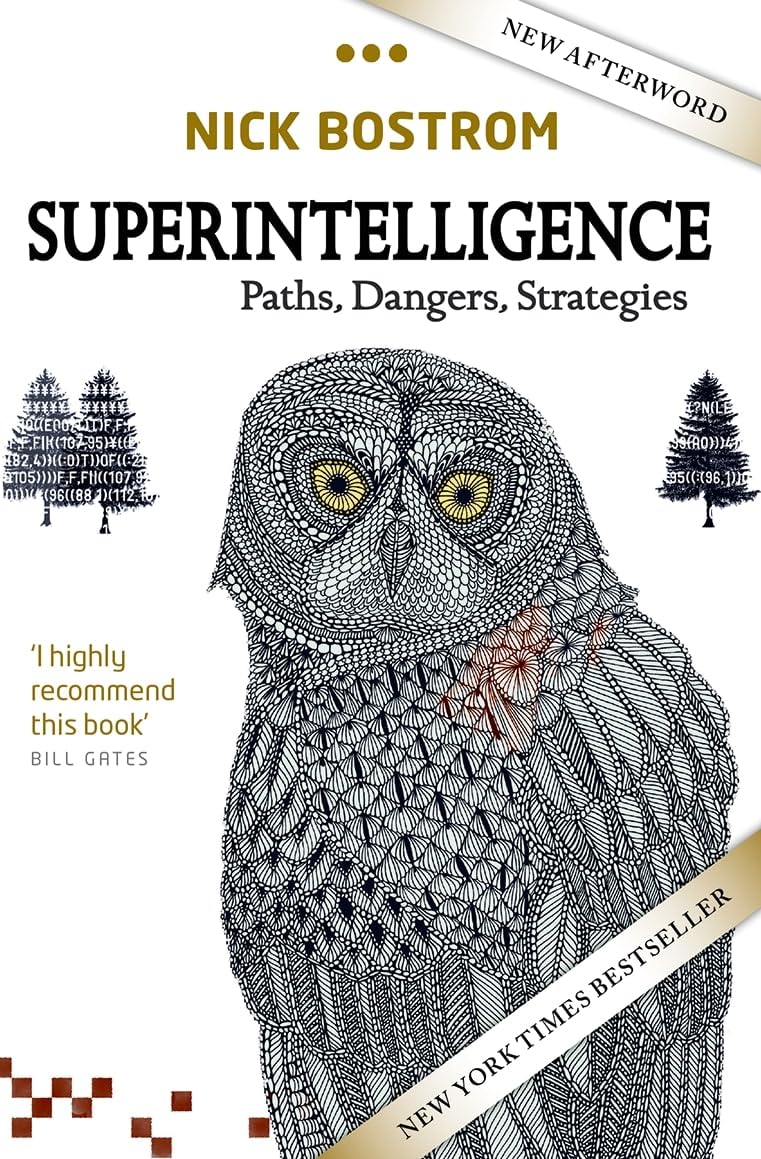
The book that started the existential-risk debate and that half the industry still cites.
As an Amazon Associate, Zendoric earns from qualifying purchases; the price does not change for you. · all our recommended books →
🔗 Related on Zendoric