Mayo Clinic deploys more than 150 AI models to transform hospital care

🕒 Published on Zendoric: July 18, 2026 · 01:58
✨ AI-generated · how it's made
Mayo Clinic, one of the most renowned hospital systems in the world, has deployed more than 150 artificial intelligence models across different areas of its clinical operation, according to Matthew Callstrom, a radiologist and medical director of the hospital's generative AI program.
📚 Go deeper

The definitive piece of investigative journalism on OpenAI: 260+ interviews, the clash between safety and speed, and the attempted firing of Sam Altma
As an Amazon Associate, Zendoric earns from qualifying purchases; the price does not change for you. · all our recommended books →
Mayo Clinic, one of the world's most renowned hospital systems, has deployed more than 150 artificial intelligence models across different areas of its clinical operations, according to Matthew Callstrom, a radiologist and medical director of the hospital's generative AI program. The expansion is not an isolated experiment but a deliberate strategy to embed AI into the daily workflow of doctors, nurses and clinical staff, with the stated goal of improving patient care and, ultimately, saving lives.
One of the most concrete cases is 'Record Time', a tool developed together with Scale AI that helps doctors process lengthy medical records before appointments. Dr. Alexander Ryu, an internal medicine physician at Mayo Clinic and vice chair of innovation in the Department of Medicine, explains that many patients come to the clinic seeking a third or fourth opinion, carrying disorganized documents from other health systems. Record Time generates relevant patient summaries, orders documents chronologically and makes them searchable. According to Ryu, the tool saves him between five and thirty minutes of preparation per visit, depending on the complexity of the case, time he can devote directly to the patient. Ryu stresses that the hospital receives tens of millions of pages of records each year, which made it necessary to have a way to locate key information without it getting lost in the volume of data.
The article places this development within a broader trend: major tech companies such as Google, OpenAI and Anthropic already offer health chatbots, and tens of millions of people turn to AI for medical questions. However, it warns that Silicon Valley leaders' promises that AI will 'cure cancer' often sound more like marketing rhetoric than immediate reality, given that the sector's large companies focus mostly on consumer and business applications, not specifically medical ones.
Mayo Clinic, by contrast, is using its enormous volume of patient records and its own research to develop AI tools in collaboration with partners such as Microsoft and Scale AI. Jason Droege, CEO of Scale AI, explains that AI excels at identifying patterns in large volumes of data, and that much of the work of doctors and specialized nurses consists precisely of pattern recognition, tasks where AI can accelerate more accurate diagnoses and free up time to treat more patients.
Among the most notable clinical applications, the hospital is conducting a clinical trial to evaluate whether AI can help identify patients at risk of pancreatic cancer at early stages, an application that, according to Callstrom, could detect the disease years before the usual diagnosis. Currently, many patients are not diagnosed until the cancer has spread regionally or metastasized, at which point the five-year survival rate hovers around 9%. Callstrom recounts that he became convinced of AI's potential as early as 2016, when he saw how it could help radiologists identify early and subtle signs of cancer in medical images. The hospital has also successfully used AI to analyze patients' heart rhythms and determine whether they might develop atrial fibrillation, a condition that can cause blood clots and strokes; according to Callstrom, for patients in whom it is detected in time, the impact can be 'potentially transformative'.
As for the development process, Mayo Clinic pairs technology experts with doctors and clinicians to decide which medical problems to tackle with AI. Callstrom explains that the tools go through a process similar to a clinical trial: they are first tested with a small group of patients under medical supervision, their performance is measured, and then the test is expanded to a larger population; once deployed broadly, the tool continues to be monitored. Callstrom acknowledges that there is considerable skepticism among medical staff, and that the clinic chooses to leave the use of the new tools to each doctor's discretion: those who want to try them can do so, and those who don't are not required to. For Callstrom, the adoption rate is the best measure of how well each tool is working.
On the impact on employment, Callstrom says that, for now, jobs are not disappearing, though they are changing. He points to the nursing team as an example, which helped develop an AI system that listens and takes notes during patient appointments, something that could halve the time —more than an hour a day— they spend transcribing those visits, freeing up time for direct interaction with patients.
The use of AI in hospital settings is not without controversy, and the article explicitly mentions issues of accuracy and patient privacy. Mayo Clinic's former director of Research Operations, Traci Tamiko Eto, filed a lawsuit against the hospital this month, alleging retaliation for having raised concerns about the privacy and oversight of some of the institution's AI systems. A Mayo Clinic spokeswoman, Andrea Kalmanovitz, noted that the hospital does not comment on ongoing litigation, but stated that the institution is 'committed to the responsible development and deployment of AI, with privacy, security, transparency and regulatory compliance built into all its processes', adding that its research and clinical innovation are carried out in accordance with applicable laws and regulations.
Finally, Droege tempers the widespread enthusiasm about the speed of AI adoption in healthcare, calling predictions that everything will be solved in one or two years 'very ambitious'. In his view, quality of care should be the standard above speed: in healthcare, the goal is to do it well, as fast as possible, but without sacrificing rigor for haste.
📚 Go deeper
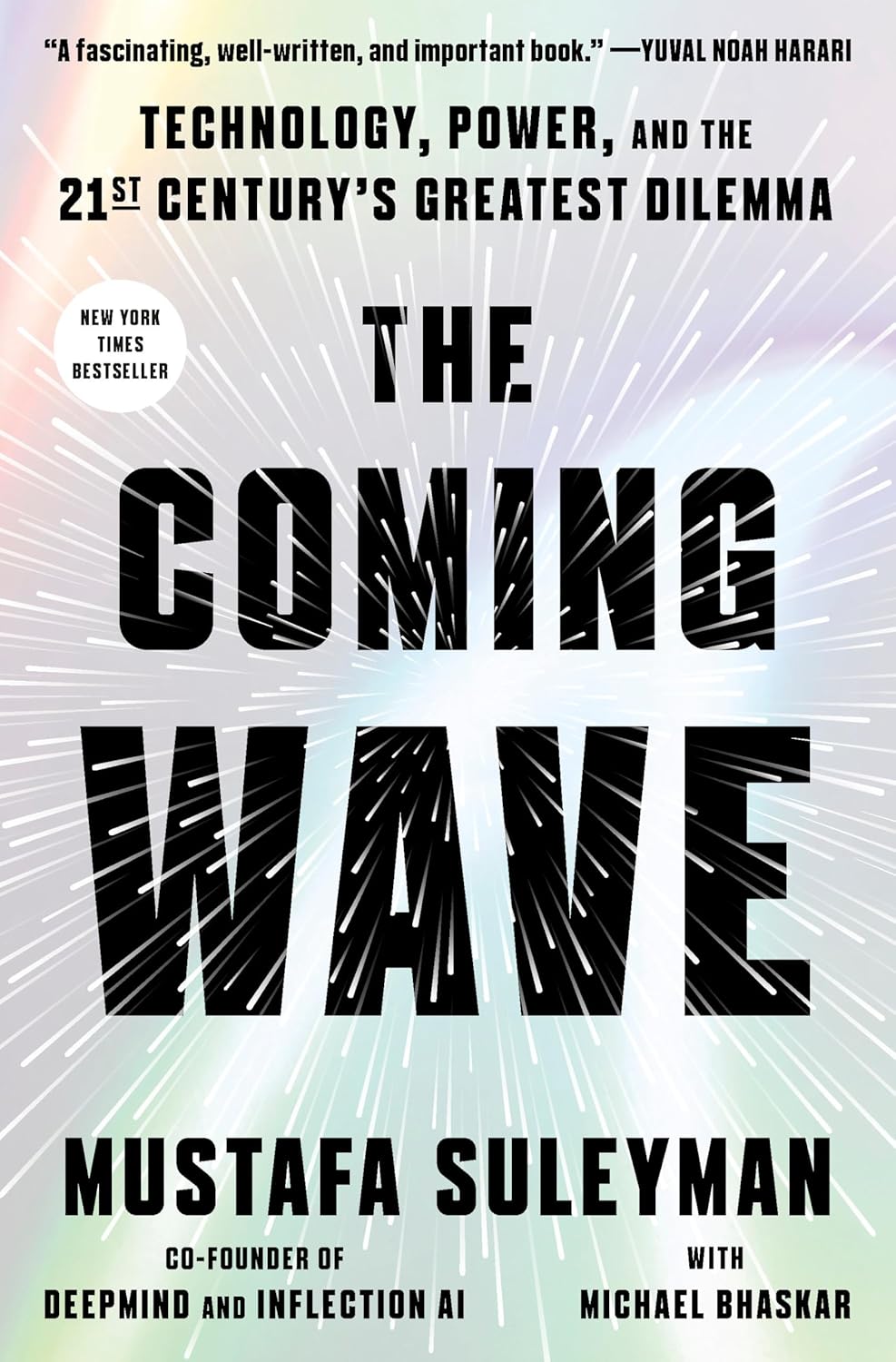
DeepMind co-founder on the dilemma of containing technologies that do not want to be contained.
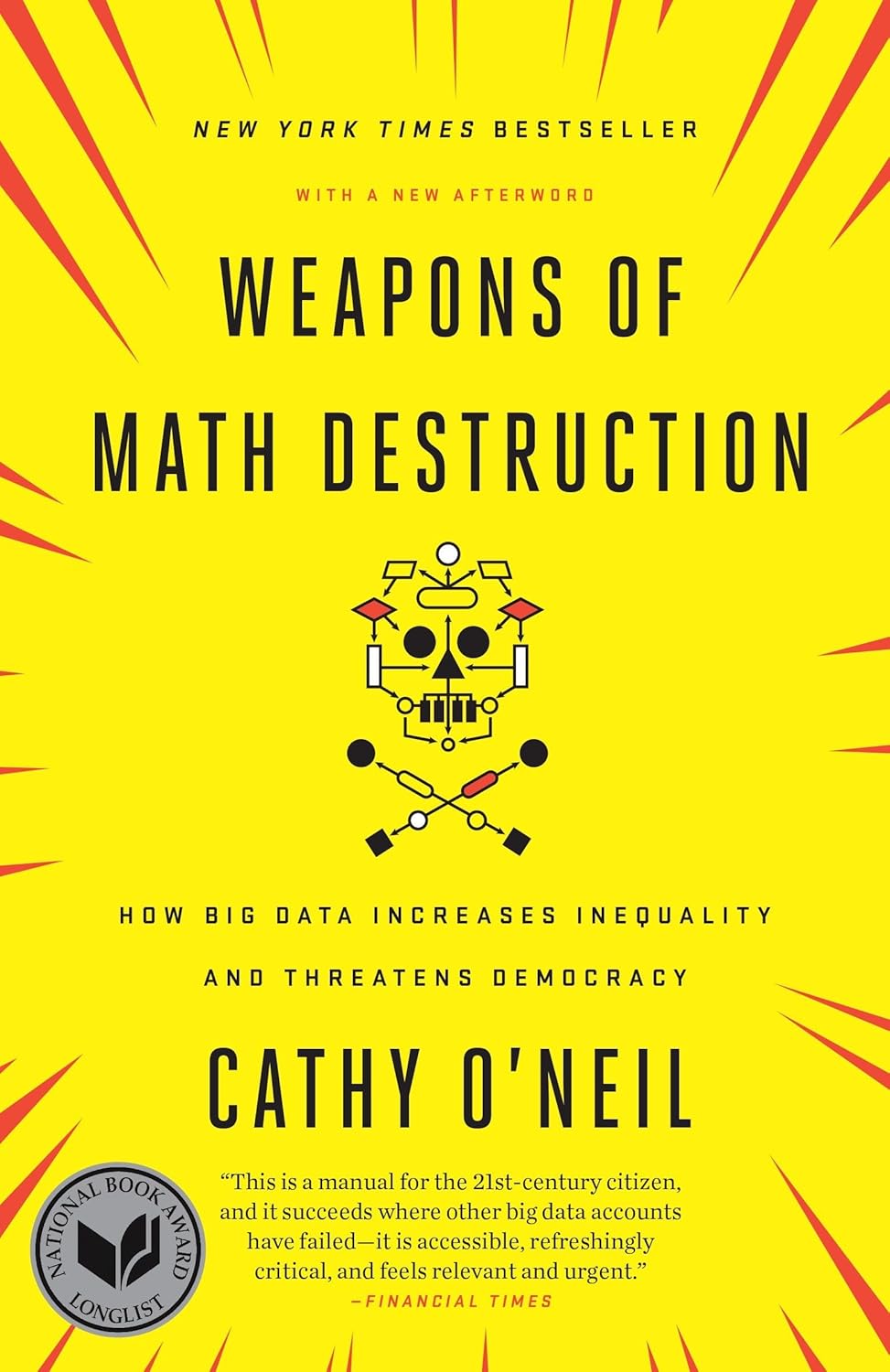
How opaque algorithms decide who gets credit, a job or parole — and why they tend to punish the same people.
As an Amazon Associate, Zendoric earns from qualifying purchases; the price does not change for you. · all our recommended books →
🔗 Related on Zendoric
- The impact of AI on software production systems, according to Resolve AI's CEO · 2026-07-07
- A hospital claims to be a pioneer in using AI to detect infections earlier: the promise matters more than the headline · 2026-07-15
- Amazon cuts its own general AI division: those who build the models are also caught in the adjustment · 2026-07-24