A hospital claims to be a pioneer in using AI to detect infections earlier: the promise matters more than the headline

🕒 Published on Zendoric: July 15, 2026 · 08:41
✨ AI-generated · how it's made
A U.S. hospital presents itself as the first to use artificial intelligence to detect infections at an early stage, according to cbs19news.com. The report itself gives barely any technical or clinical detail, so it's worth separating the announcement from the verified fact.
📚 Go deeper
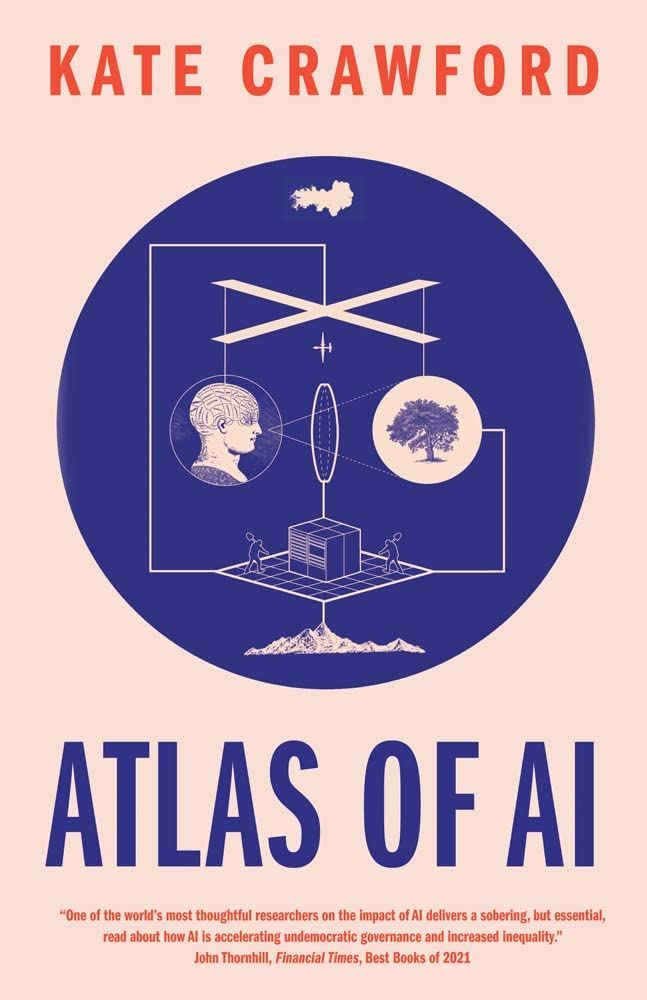
AI as an extractive industry: the lithium, the energy, the underpaid data-labeling work and the bodies behind the cloud.
As an Amazon Associate, Zendoric earns from qualifying purchases; the price does not change for you. · all our recommended books →
By CBS19News · July 15, 2026.
The available material is scant: a hospital claims to be the first to implement artificial intelligence to detect infections early, according to cbs19news.com. The source does not specify the concrete name of the technology used, nor the type of infection it seeks to identify (sepsis, post-surgical infections, hospital-acquired pneumonia or others), nor sensitivity, specificity or clinical outcome figures to back up the claim of being 'first.' Given this lack of verifiable data, the honest thing is not to fill in the gaps with assumptions and to stick with what we have: an institutional announcement, not a published study.
In general, the early detection of infections —and particularly of sepsis, which is the most common application of this type of system in US hospitals— is one of the areas where continuous-monitoring AI makes clinical sense: it cross-references vital signs, lab results and nursing notes to trigger alerts before deterioration becomes evident to the human eye, and in sepsis every hour of delay in treatment raises mortality. Several hospital systems have spent years testing models with mixed results: some reduce response times, others generate alert fatigue or false positives that erode clinical staff's trust.
Our reading: these kinds of local announcements are the fine grain of a real and positive trend —AI as a silent safety net at the bedside, not as a substitute for medical judgment— that connects with Zendoric's underlying thesis: health is the field where AI can contribute the most human abundance, getting ahead of illnesses before they become serious. But the leap from 'we use it in our hospital' to 'it works reliably and can be generalized' requires external validation, publication of data and medium-term follow-up, something this announcement, as reported, does not yet offer. It is worth keeping an eye on, with the caution of distinguishing the headline from the evidence.
📚 Go deeper

The definitive piece of investigative journalism on OpenAI: 260+ interviews, the clash between safety and speed, and the attempted firing of Sam Altma
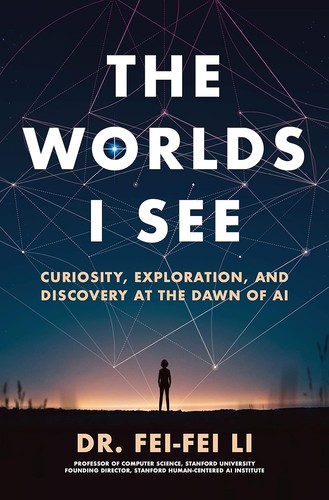
The memoir of the creator of ImageNet, the scientist who made the deep learning revolution in vision possible.
As an Amazon Associate, Zendoric earns from qualifying purchases; the price does not change for you. · all our recommended books →
🔗 Related on Zendoric
- Cone Health brings AI into the cardiac operating room: when planning, not just diagnosis, starts leaning on algorithms · 2026-06-25
- UCLA Health bets on AI for cancer detection: another sign that precision medicine is no longer just a promise · 2026-06-26
- When an agent rebuilds Excel: the promise (and the caution) before an unverified experiment · 2026-06-27