AI-generated fake nudes of 45 students reported in Lomas de Zamora: the technical barrier to abuse no longer exists

🕒 Published on Zendoric: October 8, 2026 · 00:57
✨ AI-generated · how it's made
Parents and students protested outside a school in Lomas de Zamora after reports that third- and fourth-year classmates used AI to create and sell fake nude photos of some 45 students. The case shows how far the technical barrier to abuse has fallen, and how long the law takes to catch up.
📚 Go deeper
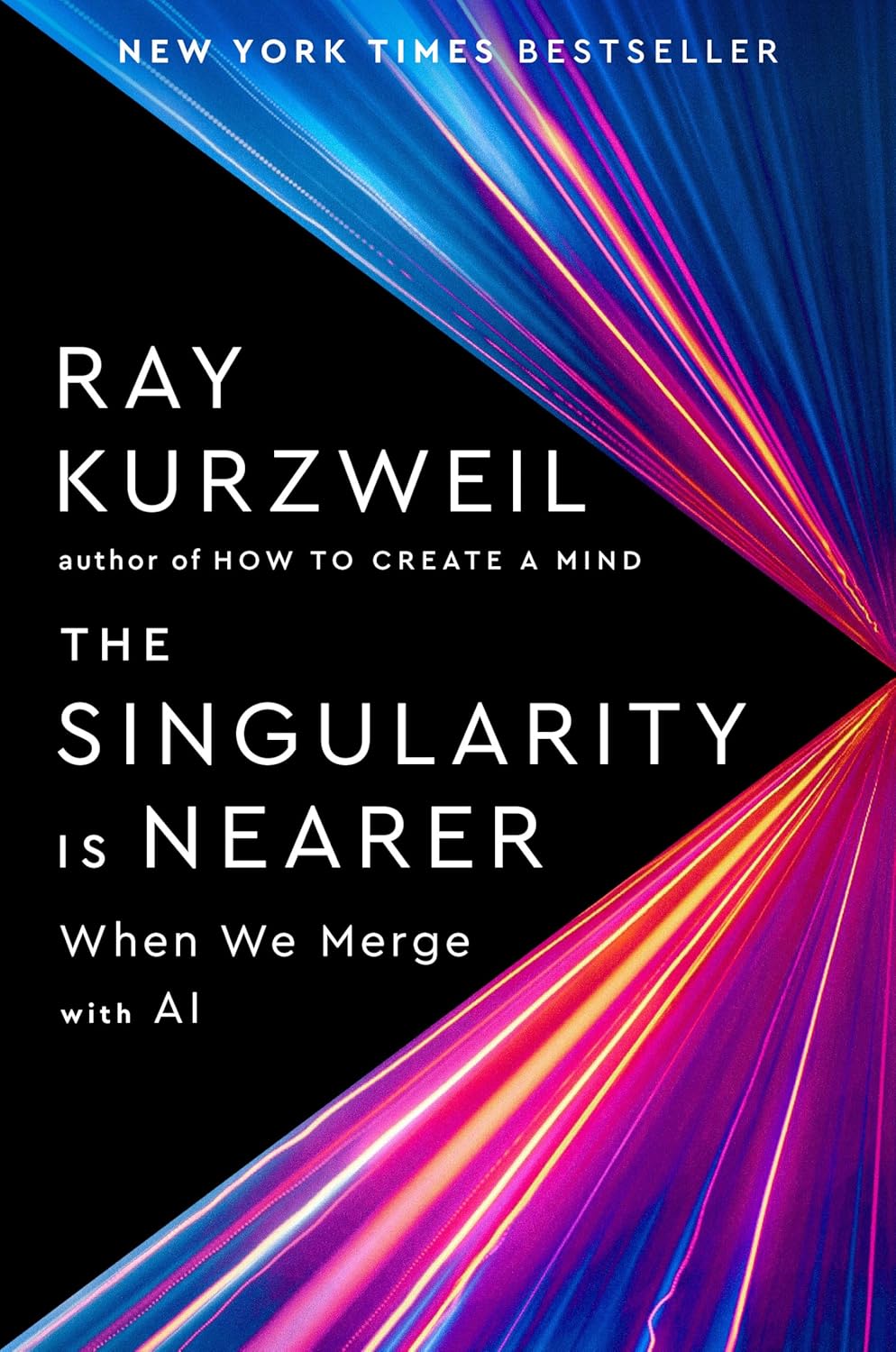
Twenty years after "The Singularity Is Near", Kurzweil revisits his predictions and keeps the date: human-AI merger around 2045.
As an Amazon Associate, Zendoric earns from qualifying purchases; the price does not change for you. · all our recommended books →
By Mi 8 (Mar del Plata) · October 7, 2026.
Parents and students staged a protest outside a secondary school in Lomas de Zamora, in the Buenos Aires suburbs, after a serious complaint came to light: a group of 3rd- and 4th-year students allegedly used artificial intelligence tools to turn real photographs of some 45 female classmates into fake images simulating nudity, and then shared them and even offered them for sale, according to the families' complaint. The Buenos Aires provincial General Education Inspectorate has already intervened and a court case is proceeding to determine responsibility.
According to the families' account, the school learned of the episode weeks earlier and, at first, asked the students themselves not to spread information about what had happened; the families also objected that the institution's first response to the case was to send a notice to families. That handling — a request for silence behind closed doors and a note as the first response — is what sparked the protest: parents are demanding measures to protect the affected students and to stop the material from continuing to circulate. Among the measures under consideration is having the accused students continue the school year online, while the judicial investigation proceeds and there are calls to establish how the original photographs were obtained and who took part in creating, circulating and possibly selling the material.
As sector context, this is neither an isolated phenomenon nor unique to one school. Apps that "undress" photographs using generative AI have been circulating for several years with an interface as simple as uploading an image and waiting a few seconds; no technical expertise is required, not even an understanding of how the underlying model works. That combination — a trivially easy tool, a hyper-realistic result, instant distribution by chat — has produced equivalent episodes in schools in various countries in recent years, always with the same pattern: teenagers turning their own classmates into synthetic sexual material, often without any real awareness of the gravity of the act.
There lies the legal knot this case will have to untangle, and it is not unique to Argentina: what criminal offense applies when the image is "fake" — generated by a model — but depicts a real, underage person in sexualized form? Much of the world's legal frameworks were written with real photographs or videos in mind, not synthetic content, and courts and lawmakers are having to decide, case by case, whether an image invented by AI falls under the same protections as a real one. While that discussion advances slowly, the technology to inflict the harm is already available, free or nearly so, on any student's phone.
Our reading is that this episode portrays the immediate risk of generative AI better than any abstract debate: it takes no runaway superintelligence to cause real, large-scale harm; it is enough for a capability once reserved for those with technical skill — and some deliberate intent — to be within reach of any teenager with a phone and no filters to make them hesitate. The cost of that ease is paid, disproportionately, by girls and teenagers, and responsibility is spread across several levels that are all failing at once: the companies that design and distribute these apps without effective barriers against this use, the platforms where the material circulates and is allegedly sold, and the educational institutions that, according to this complaint, reacted first by thinking about their own exposure rather than the victims.
At Zendoric we maintain that, in the long run, generative AI can free up time, bring us closer to curing diseases and distribute an abundance that today seems distant. But that promise only holds if, in the meantime, the gap closes between what the technology already makes possible and what laws, schools and the manufacturers themselves are able to prevent. Cases like Lomas de Zamora do not call that horizon into question; what they expose, with a starkness that admits no relativizing, is how much we still have to build on the way there.
📚 Go deeper

AI as the latest chapter in the history of information networks, from gossip to the printing press to the algorithm.

DeepMind co-founder on the dilemma of containing technologies that do not want to be contained.
As an Amazon Associate, Zendoric earns from qualifying purchases; the price does not change for you. · all our recommended books →
🔗 Related on Zendoric
- The deepfake school: Lancaster Country Day seeks to dismiss its students' lawsuit over AI-faked photos · 2026-07-29
- Villa Bosch, a third year of fake intimate images: the problem is no longer AI, it's how the school responds · 2026-10-17
- AI-generated CSAM at an Illinois school: the hardest abuse to detect no longer needs a hidden camera · 2026-07-04