AI-generated CSAM at an Illinois school: the hardest abuse to detect no longer needs a hidden camera

🕒 Published on Zendoric: July 4, 2026 · 00:29
✨ AI-generated · how it's made
A high school teacher in Libertyville, Illinois, was arrested after being accused of recording students and using AI software to generate explicit images of minors. The case illustrates how image generation is already being used, according to authorities, to produce child sexual abuse material without physical contact or sophisticated hidden cameras.
📚 Go deeper
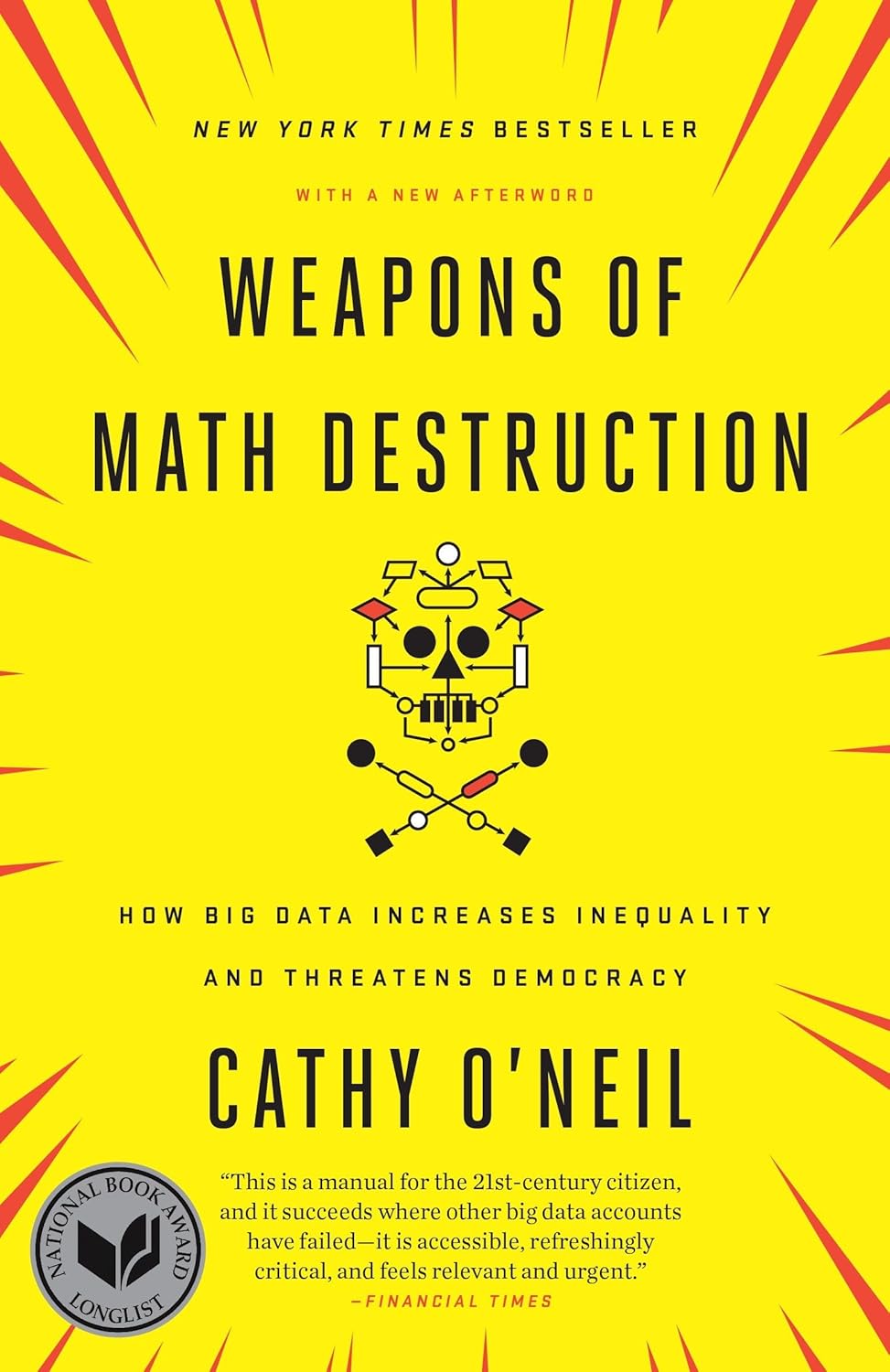
How opaque algorithms decide who gets credit, a job or parole — and why they tend to punish the same people.
As an Amazon Associate, Zendoric earns from qualifying purchases; the price does not change for you. · all our recommended books →
By Lake and McHenry County Scanner · July 3, 2026.
Marshall Sheffer, 44, a social studies teacher at Highland Middle School (Libertyville School District, Illinois) with 18 years of tenure, was arrested last Friday and faces eight charges of child pornography, two of them Class X felonies, according to the Libertyville Police Department and the Lake County State's Attorney's Office. The investigation began in June, when students alerted school staff that they believed the teacher was recording them in class. According to the official statement, forensic analysis of the suspect's phone —carried out by the prosecutor's cyber lab— revealed numerous images of students altered with artificial intelligence to create explicit content; a subsequent search of his home, aided by dogs specially trained to detect electronic storage devices, turned up additional material. The school district says it fully cooperated with the investigation from the second day it was informed, before the end of the school year. Sheffer was due to appear in court on Sunday, and prosecutors intend to seek his pretrial detention as the case proceeds. It's worth stressing that these are charges, not a conviction: the presumption of innocence stands until a court rules otherwise.
Beyond the horror of this individual case, what it confirms is a trend we've been flagging in this space for months: the democratization of AI image-generation tools has a dark side, and it is no longer hypothetical. It no longer takes a professional video editor or advanced technical skills to turn an everyday recording —taken, according to authorities, on the phone of an adult with legitimate, trusted access to minors— into child sexual abuse material. The technical barrier that once required skill, time, and risk of exposure has dropped drastically, shifting the problem from 'who knows how to do it' to 'who decides to do it.' It's the most disturbing face of the same accessibility that, in other contexts, we celebrate as a driver of creativity and productivity.
The case also offers a relevant technical takeaway: artificial intelligence itself was the tool that enabled detection of the crime. The prosecutor's cyber lab used digital forensic analysis to identify the altered images, and specialized units with electronic detection capabilities reinforced the investigation. That duality —AI as the weapon of the crime and as the instrument of the investigation that uncovers it— is the same arms race we've already seen in financial fraud and cybersecurity: the technology that multiplies potential harm is, at the same time, the one that can strengthen the response, provided institutions invest in forensic capacity and in legal frameworks that don't systematically lag behind.
This is where the long-term optimism we advocate must coexist with an uncomfortable honesty: cases like this are the transition cost of a technology deployed faster than schools, families, and lawmakers can absorb. The answer can't be to slow down the development of generative AI —impossible and counterproductive— but rather to accelerate, in parallel, forensic detection, digital education for minors and school staff, and legislation that unambiguously criminalizes the creation of synthetic sexual images of minors, with penalties proportional to the real harm caused to victims, whether or not the content is 'authentic' in the photographic sense. Illinois, with these Class X charges, is sending a signal in that direction; the open question is whether other jurisdictions —and the platforms themselves that distribute editing and generative AI software— will adapt their safeguards at the same pace the capacity for abuse is growing.
📚 Go deeper

The best starting book if you're not technical: a Wharton professor explains how to work WITH AI — when to delegate, when to supervise, when to keep i

The reference manual for building products on top of AI models: prompts, RAG, fine-tuning, agents, evaluation and deployment.
As an Amazon Associate, Zendoric earns from qualifying purchases; the price does not change for you. · all our recommended books →
🔗 Related on Zendoric
- A teacher accused of creating fake nude images of former students with AI closes his case with a plea deal · 2026-07-08
- The Illinois teacher accused of using AI to create child abuse exposes the real limit of safeguards · 2026-07-14
- AI abuse case shows the harm arriving now, not in some distant future · 2026-07-10