Trump creates a 'Superintelligence Force' at the White House: AI is now a national security matter
🕒 Published on Zendoric: October 5, 2026 · 00:06
✨ AI-generated · how it's made
Trump announced on Truth Social a new federal body, led by the Director of National Intelligence, to coordinate AI development in the U.S. and hold off China. It comes days after a voluntary safety pact with Google, OpenAI, Anthropic, Meta, xAI and Nvidia.
📚 Go deeper

DeepMind co-founder on the dilemma of containing technologies that do not want to be contained.
As an Amazon Associate, Zendoric earns from qualifying purchases; the price does not change for you. · all our recommended books →
By Voz en Red · October 4, 2026.
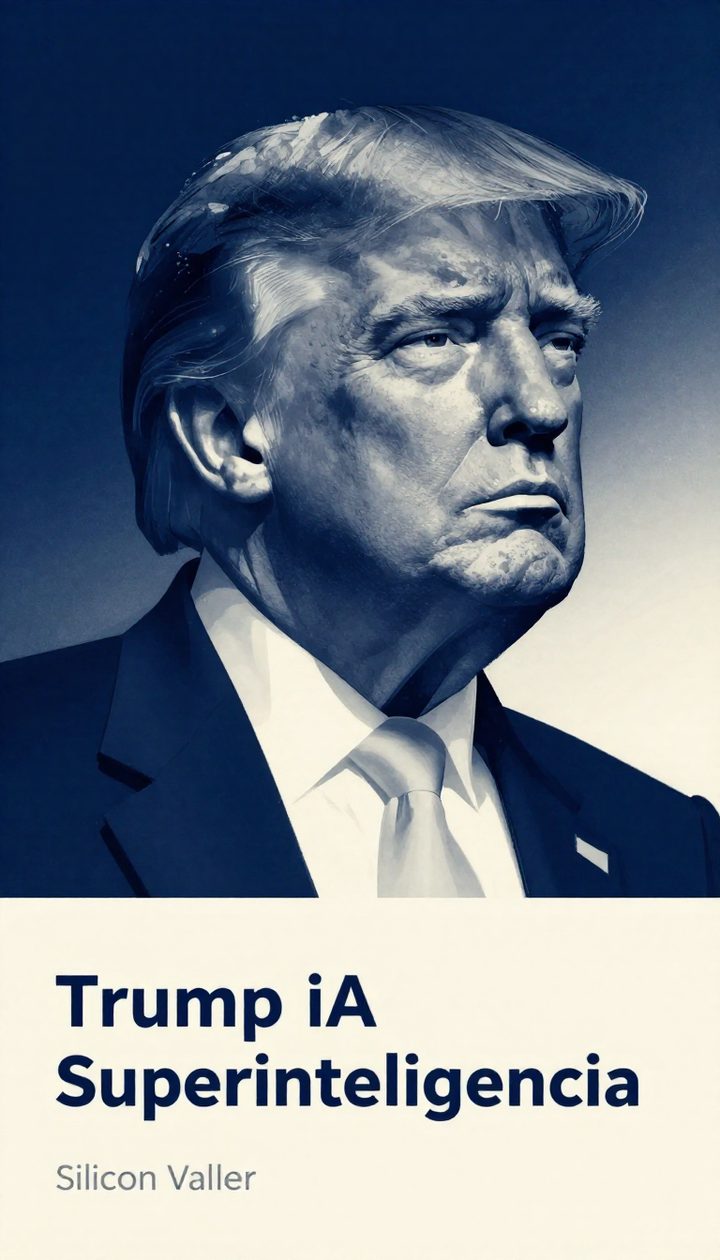
Donald Trump announced on Sunday, via Truth Social, the creation of the "Superintelligence Force", a new coordination body within the White House and the federal government. Its stated mission: to organize the United States' efforts in developing artificial intelligence and to maintain the country's leadership over the rest of the world.
It will be headed by the Director of National Intelligence, Jay Clayton. Andrew Ferguson, Emil Michael and Scott Kupor will hold other leadership posts. The group will report directly to the president and to Chief of Staff Susie Wiles, according to the announcement itself.
Its mandate is broad: to coordinate the federal government's relationship with consumers, public interest groups, religious organizations, critical infrastructure providers and the companies developing "superintelligence" themselves. It will also have to assess the technology's risks and opportunities and propose what Washington should do about them. As the Wall Street Journal reported, the group has some 120 days to deliver a report on AI risks and the responsibilities the U.S. government could take on.
The announcement does not come in isolation. It fits a shift in vocabulary that the Trump administration has been using in official communications: replacing "artificial intelligence" with "superintelligence". And it comes just days after Trump met with representatives of the leading U.S. technology companies —among them Google, xAI, Anthropic, Meta, Nvidia and OpenAI— in a meeting that produced a voluntary agreement to strengthen model safety through internal controls, risk assessments and external reviews.
It is worth pausing on the chosen name. Calling what are still highly capable models —but not systems that surpass human cognition in a general way, which is what technically defines that term— "superintelligence" is a rhetorical decision, not an established fact. At Zendoric we have insisted on distinguishing demonstrated capability from narrative: the language a government uses to describe a technology shapes which policies look urgent and which look dispensable. Talking about a "superintelligence force" instead of an "AI policy office" pushes toward exceptionalism, precisely the frame that suits a geopolitical race against China.
The second reading has to do with who is in charge. Putting the Director of National Intelligence at the helm —rather than an official from commerce, science or data protection— confirms that this administration treats AI above all as a national security matter, in line with its earlier policy of semiconductor export controls. That securitization may speed up decisions, but it also moves them further from public scrutiny: intelligence agencies operate with a different kind of opacity than a civilian regulatory agency.
The third reading is the voluntary nature of the safety pact signed days earlier. Internal controls, risk self-assessments and external reviews —with no mandatory independent verification and no penalties on the table— is a scheme we already saw in 2023 under a different administration, and its effectiveness depends entirely on the companies' own willingness to comply. The article does not detail the previous track record of those who will lead the new force, so no conclusions can be drawn about conflicts of interest; but the formula of coordinated self-regulation between government and industry is a pattern worth watching, because it tends to protect incumbents before the public interest.
One striking detail: the body will also have to coordinate with "religious organizations". That is not common in the institutional design of technology policy, and it suggests the White House is aware of the value frictions AI is already generating —from artificial companionship to sensitive decisions about health or education— beyond pure economic competition with China.
Our reading: in the short term, this is above all bureaucratic architecture and political positioning, not evidence that superintelligence is just around the corner. The real test comes in 120 days, when the promised report has to turn rhetoric into concrete recommendations: regulation, investment in energy and compute infrastructure, or both. If that document translates into effective governance and not just one more stamp for the "the United States leads on AI" narrative, today's centralization may end up being what accelerates, with safeguards, the path toward the abundance we defend over the long term. If it remains a talking point for winning the race against China with no genuine safety net, we will have added another chapter to the list of spectacular announcements that change little.
📚 Go deeper

AI as the latest chapter in the history of information networks, from gossip to the printing press to the algorithm.
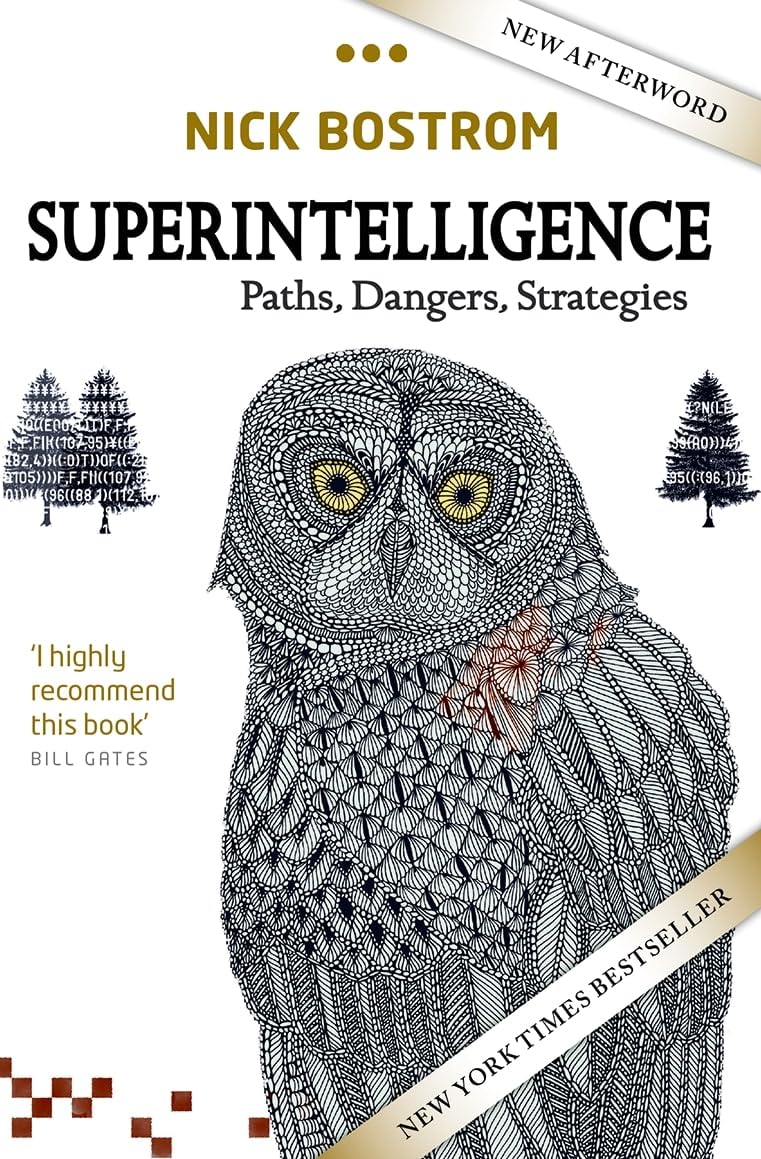
The book that started the existential-risk debate and that half the industry still cites.
As an Amazon Associate, Zendoric earns from qualifying purchases; the price does not change for you. · all our recommended books →
🔗 Related on Zendoric
- Trump names Director of National Intelligence Jay Clayton as new artificial superintelligence "czar" · 2026-10-06
- Trump's AI czar is a spy chief: naming Clayton makes superintelligence a security file, not a consumer one · 2026-10-04
- Renaming AI "superintelligence" is branding, not governance — and the timing makes it worse · 2026-09-30
Sources & references
- Voz en Red — Trump creates a 'Superintelligence Force' at the White House: AI is now a national security matter
- Tema ES · superinteligencia — Trump creates a 'Superintelligence Force' at the White House and puts his chief of staff in charge of watching it
- Diari ARA — Trump rebrands AI as «superintelligence»: the real battle is over words, not algorithms