Anthropic pays Musk $40B for compute: the scarcest thing in AI is no longer talent, it's a plugged-in data center
🕒 Published on Zendoric: September 5, 2026 · 10:57
✨ AI-generated · how it's made
Anthropic has agreed to pay xAI/SpaceX roughly $1.25 billion a month through May 2029 — more than $40 billion — for exclusive use of the Colossus 1 data center in Memphis and its 220,000-plus Nvidia chips. Reports describe a clause letting SpaceX reclaim the compute if Anthropic's models are found to harm humanity, though neither company has jointly confirmed the wording. Our thesis: the deal is less a truce than an admission that energized megawatts, not model quality, now set the pace of frontier AI.
📚 Go deeper

The story of NVIDIA and Jensen Huang: how a video-game card company ended up making the most coveted resource on the planet.
As an Amazon Associate, Zendoric earns from qualifying purchases; the price does not change for you. · all our recommended books →
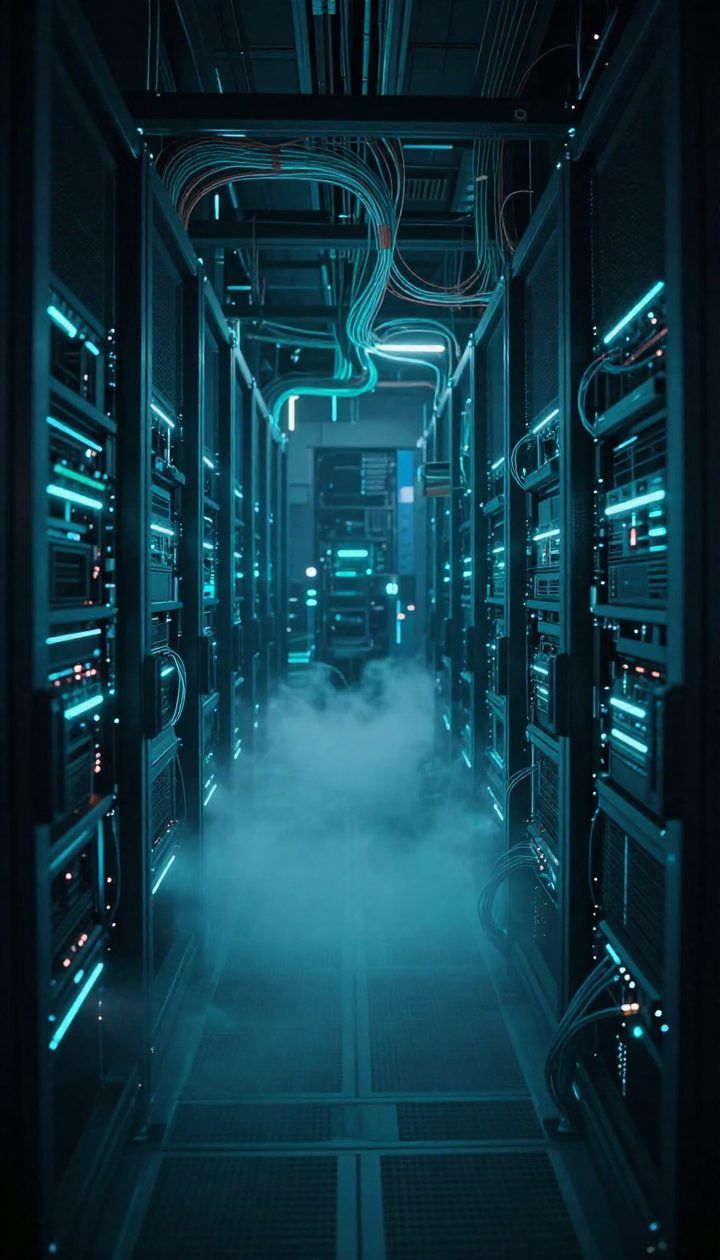
The headline number is $40 billion, but the number that explains the deal is 300. As reported by WION, Anthropic will pay xAI/SpaceX around $1.25 billion a month through May 2029 for full access to Colossus 1, the Memphis facility Musk's companies built for AI training: more than 220,000 Nvidia processors drawing 300 megawatts. Musk's xAI keeps the larger Colossus 2 for training Grok, so this is not shared capacity — Anthropic gets exclusive run of a separate, already-built site. The effect is already visible in product: Anthropic says the added compute let it double Claude Code's usage limits and remove peak-hour caps for paying customers.
The clause everyone is talking about is the one nobody has confirmed. Multiple outlets report that the arrangement lets SpaceX reclaim the compute if Anthropic's models are found to engage in actions that harm humanity. WION is explicit that the exact wording and contractual status has not been jointly confirmed by either company, and we will hold it there — this is a reported term, not a verified one. What is not in dispute is the strangeness of the counterparties. Musk has previously called Anthropic "woke," "misanthropic" and "evil." After the deal closed he posted that everyone he met was highly competent and cared about doing the right thing, and that no one set off his evil detector.
Strip away the personalities and the logic is infrastructure math. Every frontier lab is compute-constrained, and the binding constraint is no longer chip allocation or capital — it is how long it takes to build a data center and get it energized. Colossus 1 existed, it was powered, and it was available. That is worth paying a rival for. This fits a pattern we have been tracking: when Anthropic and AMD signed their multi-gigawatt arrangement, the market repriced bitcoin miners upward, because the genuinely scarce asset turned out to be an authorized grid connection rather than land or silicon. Renting 300 MW from a competitor is the same scarcity showing up in a different form. For comparison, that is the draw of a small city, and Colossus 2 — the one Musk kept — is bigger.
The governance implication is the part worth arguing about. Anthropic has built its public identity on being the safety-first lab, and safety-first has always meant self-imposed governance: its own policies, its own board structure, its own red lines. If the reported clause is real, some portion of that commitment becomes enforceable by a supplier's contract — and that supplier is a direct competitor. Set aside whether Musk would ever invoke it. The question that clause raises is procedural and it does not go away: who adjudicates "harms humanity," on what evidence, and with what appeal? A landlord with a kill switch and a rival product is not a neutral referee.
Our reading: this is what a maturing industry looks like, and that is mostly good news wrapped around one genuine risk. Airlines lease planes from each other; carriers sell roaming to competitors; cloud providers host rivals' workloads. Compute becoming a tradable commodity rather than a private moat means capacity gets used instead of idling, which lowers the effective cost of frontier research and makes the field less winner-take-all. We would rather live in a world where labs can rent from each other than one where only the vertically integrated can compete. The risk is concentration of a different kind — dependency. Anthropic's product roadmap through May 2029 now runs through a facility it does not own, controlled by someone who publicly called it evil last year and has since changed his mind.
The longer arc still points where it pointed. This capital is buying the compute that will train the models we expect to compress drug discovery timelines and put expert-grade medical reasoning within reach of people who have never had access to a specialist. But nothing about that future is delivered by the size of the check. It is delivered by who governs the systems and under what accountability — and on that question, a reported clause in a private lease between two rivals is a placeholder where public governance should be. If "could this model harm humanity" is a question worth writing into a contract, it is a question too important to be settled by one.
📚 Go deeper

DeepMind co-founder on the dilemma of containing technologies that do not want to be contained.

The definitive piece of investigative journalism on OpenAI: 260+ interviews, the clash between safety and speed, and the attempted firing of Sam Altma
As an Amazon Associate, Zendoric earns from qualifying purchases; the price does not change for you. · all our recommended books →
🔗 Related on Zendoric
- Anthropic's $40B bill to Musk shows compute, not cleverness, is the real chokepoint in frontier AI · 2026-09-02
- Anthropic's $40B compute deal with Musk: the safety lab now rents its future from a rival · 2026-07-31
- Anthropic will pay Musk $40 billion for compute — and reportedly wrote its own safety pledge into the lease · 2026-07-29