An IT union in Chaco puts numbers on the discontent: the sector's pay fell from 5th to 14th place in Argentina

🕒 Published on Zendoric: September 4, 2026 · 09:12
✨ AI-generated · how it's made
The Asociación Gremial de la Computación is bringing IT workers together in Argentina's NEA region to debate AI, employment and technological sovereignty. The figure framing the meeting: according to the Observatorio del Trabajo Informático, the sector's salary went from fifth to 14th place among Argentine industries in five years.
📚 Go deeper
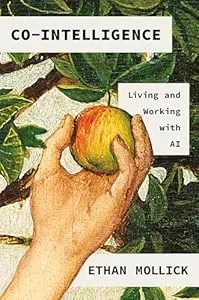
The best starting book if you're not technical: a Wharton professor explains how to work WITH AI — when to delegate, when to supervise, when to keep i
As an Amazon Associate, Zendoric earns from qualifying purchases; the price does not change for you. · all our recommended books →
By Chaco Día por Día · September 3, 2026.
The Asociación Gremial de la Computación (AGC), the union representing IT workers in Argentina, is organizing a regional gathering for the northeast (NEA) focused on three themes: the impact of artificial intelligence, changes in the world of IT work and technological sovereignty. Carlos Azcona, the AGC's regional delegate, laid it out in remarks to CIUDAD TV. Registration is open and free, with limited places, and the event will bring together national and international specialists, among them Javier Intaca (AGC national board, just back from the summit of the International Labour Organization —ILO, the United Nations agency for labor affairs— in Geneva) and Esteban Sargiotto, a researcher at CONICET (Argentina's state science agency) and director of the Observatorio del Trabajo Informático (LOTI).
The most quotable figure in all the material comes from LOTI itself, as Azcona recounted: over the past five years, the Argentine IT worker's salary has fallen from fifth place to 14th in the salary comparison across activities. It is worth taking it for what it is —a figure from a union observatory, without the full methodological breakdown at hand— but the direction of the data is telling: a sector that barely five years ago was among the best paid in the Argentine economy has lost relative ground at speed. It is exactly the kind of short-term signal worth looking at closely before drawing grand conclusions about AI as a destroyer of jobs: it may be due to currency devaluation, to talent fleeing toward remote dollar salaries, to an oversupply of junior programmers, or yes, to the pressure AI-assisted automation puts on tasks that used to require a flesh-and-blood developer. It is probably a mixture of all of that, and separating out the factors is precisely the kind of work the observatory itself ought to provide.
The other theme, technological sovereignty, connects with a debate that is already familiar in the global conversation about AI but which rarely comes down to the scale of a country like Argentina. Azcona sums it up with a concrete example: Europe is investing in developing its own artificial intelligence infrastructure because it understands that control of data and models is, quite directly, a matter of national security. The question he transfers to the local level is uncomfortable but pertinent: how much room for decision does a country have when it does not produce its own models but consumes them through foreign providers? It is no small question for Argentine IT development, a sector with real export capacity but one that competes on a board where the rules —licenses, APIs, access conditions for frontier models— are set by others. To this is added the second concept Azcona introduces, "convenient technology": the idea that not every innovation deserves to be adopted without question, particularly when it comes to platforms designed to maximize the consumption of attention rather than the well-being of those who use them.
Broadly, this kind of union gathering —modest in scale, but repeated across different geographies— is the most honest thermometer of how AI's disruption is experienced in the day-to-day of technical work, far from the headlines about frontier models and multimillion-dollar funding rounds. That it is IT workers themselves —the people who build much of the infrastructure that makes AI possible— who are organizing to discuss their own displacement is no minor paradox: they are at once the engine and the potential victim of the same technological wave. The presentation of the book "La comunidad en la era de la inteligencia artificial", by Luis Gote, points in that direction by linking technological progress to the erosion of communities and work environments, beyond the strictly labor sphere.
Our reading is that this gathering in Chaco, local as it may be, neatly illustrates the underlying thesis we have been defending: the transition toward an economy transformed by AI is hard in the short term, and that salary falling from fifth to 14th place is a very concrete translation of that hardship for thousands of families. The promise of abundance and of work more oriented toward what each person chooses to do —the horizon we defend as possible in the long run— does not arrive on its own or automatically: it depends on the productivity AI frees up being translated into better conditions for those who today see their trade devalued, and not just into margins for those who sell the models. The debate over technological sovereignty that the AGC raises is, at bottom, the same one that far larger governments are waging against the United States and China: who decides the rules of the game. That the debate has come down to a regional union in northeastern Argentina is, if anything, good news: it means the question is no longer the exclusive property of foreign ministries and AI labs, but belongs to those who write the software every day.
📚 Go deeper
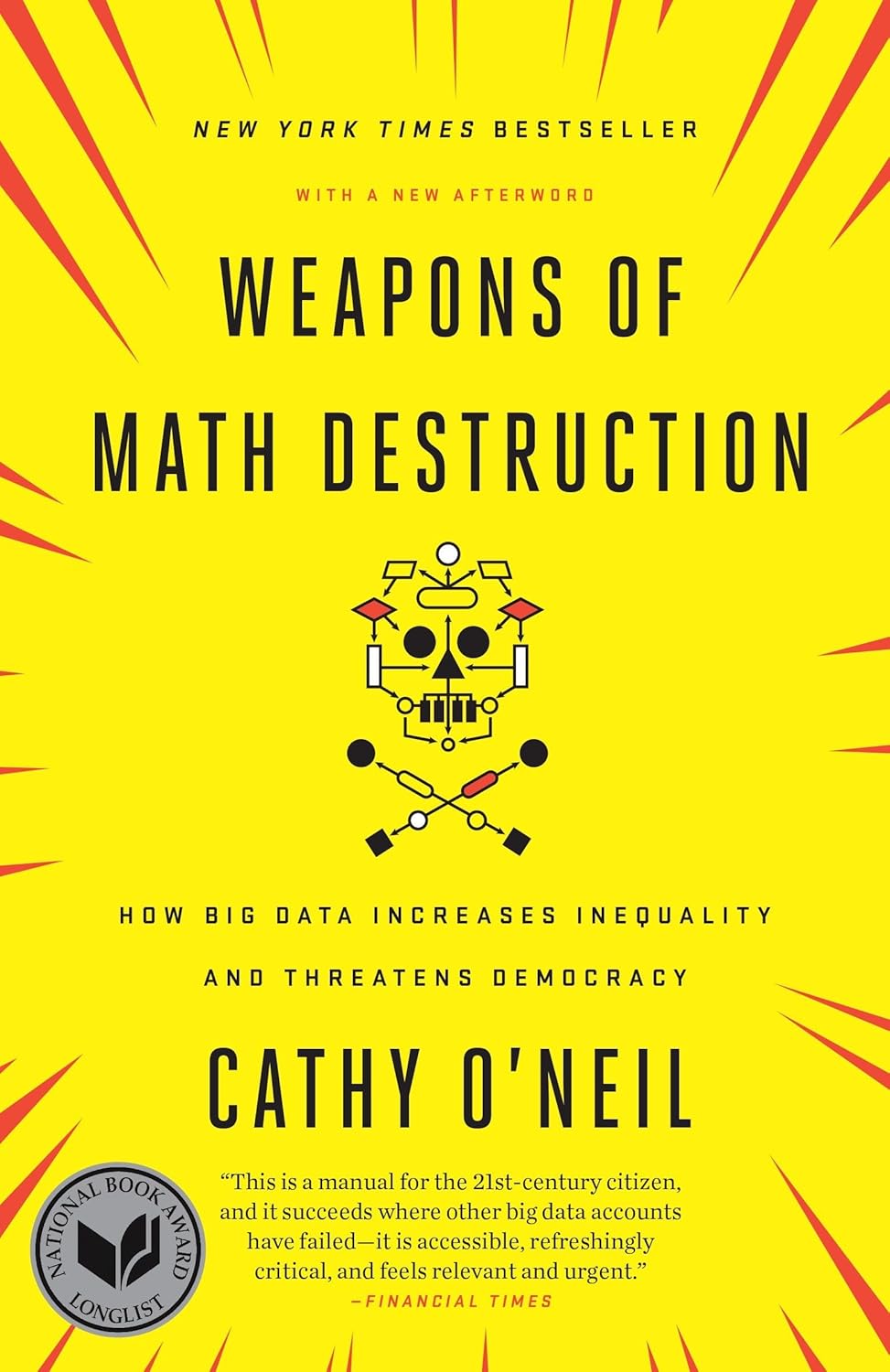
How opaque algorithms decide who gets credit, a job or parole — and why they tend to punish the same people.

The only novel on the list, by a Nobel laureate: an artificial friend observes humans with a blend of lucidity and innocence no essay achieves.
As an Amazon Associate, Zendoric earns from qualifying purchases; the price does not change for you. · all our recommended books →
🔗 Related on Zendoric
- Fraud, layoffs and productivity: Australia audits AI, and the data, for now, debunks the panic · 2026-07-20
- Alicante shows that useful innovation is now born tied to a sector: health, the environment and data sovereignty · 2026-06-27
- Argentina proposes "automated companies" managed by AI, but unable to do without humans · 2026-07-07