Fraud, layoffs and productivity: Australia audits AI, and the data, for now, debunks the panic

🕒 Published on Zendoric: July 20, 2026 · 00:19
✨ AI-generated · how it's made
An Australian Senate committee this week hears from banks, unions and the fintech industry on AI's real impact: mortgage fraud on the rise according to the banks, layoffs already confirmed, and an official figure that contradicts the most alarming warnings about employment. Australia becomes a useful case study for the global debate.
📚 Go deeper
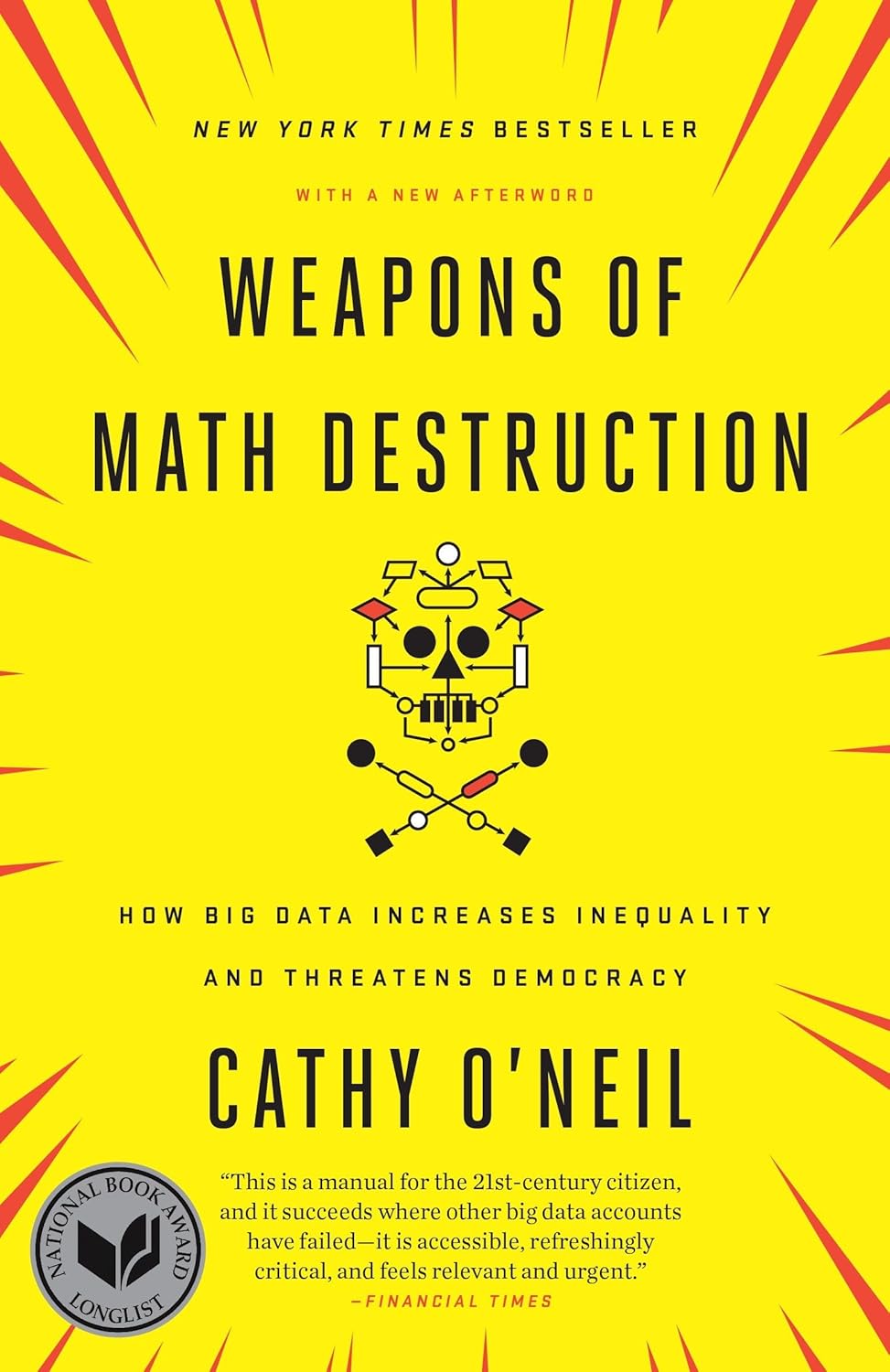
How opaque algorithms decide who gets credit, a job or parole — and why they tend to punish the same people.
As an Amazon Associate, Zendoric earns from qualifying purchases; the price does not change for you. · all our recommended books →
By Zendoric · July 20, 2026.
An Australian Senate committee investigating the country's chronic productivity problem will hear this Monday from banks, unions, the fintech industry, the Australian Taxation Office (ATO) and the Productivity Commission on a single theme: what artificial intelligence is doing to the economy. The session comes days after Prime Minister Anthony Albanese announced that his government will introduce mandatory standards for AI use and data center development, a move read as official acknowledgment that public concern over jobs, security and social impact can no longer be treated as background noise.
The facts reaching the committee are heterogeneous and, read together, paint a good picture of the uncomfortable transition we often discuss. FinTech Australia, in the submission by its CEO Rehan D'Almeida, argues that AI is "one of the most significant opportunities" to lift the productivity of the Australian economy, but warns that broad, cross-cutting regulatory obligations could delay investment, adoption and the arrival of those benefits. It's the classic industry argument: regulating too soon and too broadly costs more than regulating late.
On the other side, the Australian Banking Association puts figures on the dark side. Its head of economic policy, Craig Evans, warns in his submission that criminal organizations are using AI to generate false documentation at scale, which has driven up mortgage fraud. According to his written statement, organized crime networks could be using AI to obtain loans fraudulently and thus launder and recycle foreign funds into Australian properties and businesses. It's a serious accusation and should be treated as such: it's the banking sector's reading, not a judicially established fact, but it fits with something we have already flagged at Zendoric—generative AI has drastically lowered the cost of document forgery, and organized crime adopts that technology as fast as any legitimate business.
On the employment front, Australian banking is no longer speaking hypothetically. Bendigo and Adelaide Bank announced staff cuts in May after signing two major technology deals; the Financial Sector Union estimates the losses could reach hundreds of jobs. Commonwealth Bank, the country's largest bank, had already cut 45 customer service jobs in 2025 when it introduced an AI chatbot, though it ultimately reversed course and reinstated those positions, an episode that shows automatic replacement of people by AI does not always work out on the first try, nor is it irreversible.
The Australian Council of Trade Unions (ACTU) warns that "there are estimates that millions of jobs could be displaced" by AI. But a Department of Employment report published in early July, cited in the same coverage, found no evidence of large-scale job losses in Australia attributable to AI; it did detect that the most exposed roles—administrative and office jobs—are growing more slowly than the least exposed ones. These are two different readings of the same phenomenon, and it's best not to conflate them: one speaks of mass displacement already having occurred (there is no data to support that yet); the other, of a selective slowdown in job creation by role type, which is exactly the pattern we have been documenting for months in our series on AI and employment sector by sector—banking and insurance are losing administrative hands while data, risk and compliance profiles gain weight.
Our read is that Australia is doing, in real time and through ordinary parliamentary mechanisms, something other countries should imitate: separating panic from data. The ACTU's "millions of jobs" figure is a projection, legitimate as a union warning, but not the same as the absence of mass losses reported by the government itself. At the same time, it would be a mistake to read that absence of catastrophic data as meaning nothing is happening: slower growth in administrative employment is precisely the quiet way automation operates before it shows up in headlines about mass layoffs, and Commonwealth Bank's about-face suggests many companies are improvising as they go, still not knowing how to properly calibrate what to automate and what not to.
The real value of this hearing lies not in any of the partial conclusions, but in the exercise itself: subjecting AI to public scrutiny, with verifiable data, testimony deadlines and officials named by name and title, instead of leaving the narrative in the hands of whoever shouts loudest. That, in the end, is the variable that will really decide whether the transition toward the abundance we champion at Zendoric is short and orderly or long and chaotic: not the technical capacity of the models, which keeps advancing without pause, but the quality of governance and the honesty with which governments, banks and unions measure—rather than project—what AI is really doing to people's work.
📚 Go deeper
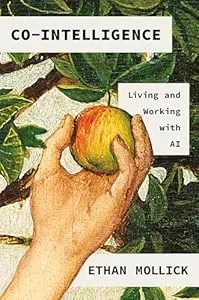
The best starting book if you're not technical: a Wharton professor explains how to work WITH AI — when to delegate, when to supervise, when to keep i
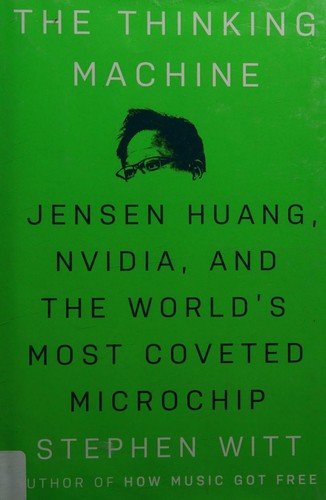
The story of NVIDIA and Jensen Huang: how a video-game card company ended up making the most coveted resource on the planet.
As an Amazon Associate, Zendoric earns from qualifying purchases; the price does not change for you. · all our recommended books →
🔗 Related on Zendoric
- Anthropic takes AI distillation to the Senate: when copying agentic capabilities becomes a matter of state · 2026-06-26
- Mental health and AI: in Tres Arroyos, a neurologist opens the debate tech companies still haven't settled · 2026-07-31
- Mental health and AI: in Tres Arroyos, a neurologist opens the debate tech companies still haven't settled · 2026-08-31